How Investors Are Using Real-World Assets to Revolutionize DeFi
We are witnessing a pivotal moment in the DeFi ecosystem, as investors leverage real-world assets to enhance liquidity and stability in decentralized finance. This trend not only transforms traditional financial models but also presents innovative business opportunities that could reshape the future of finance.
Importance of Real-World Assets in DeFi
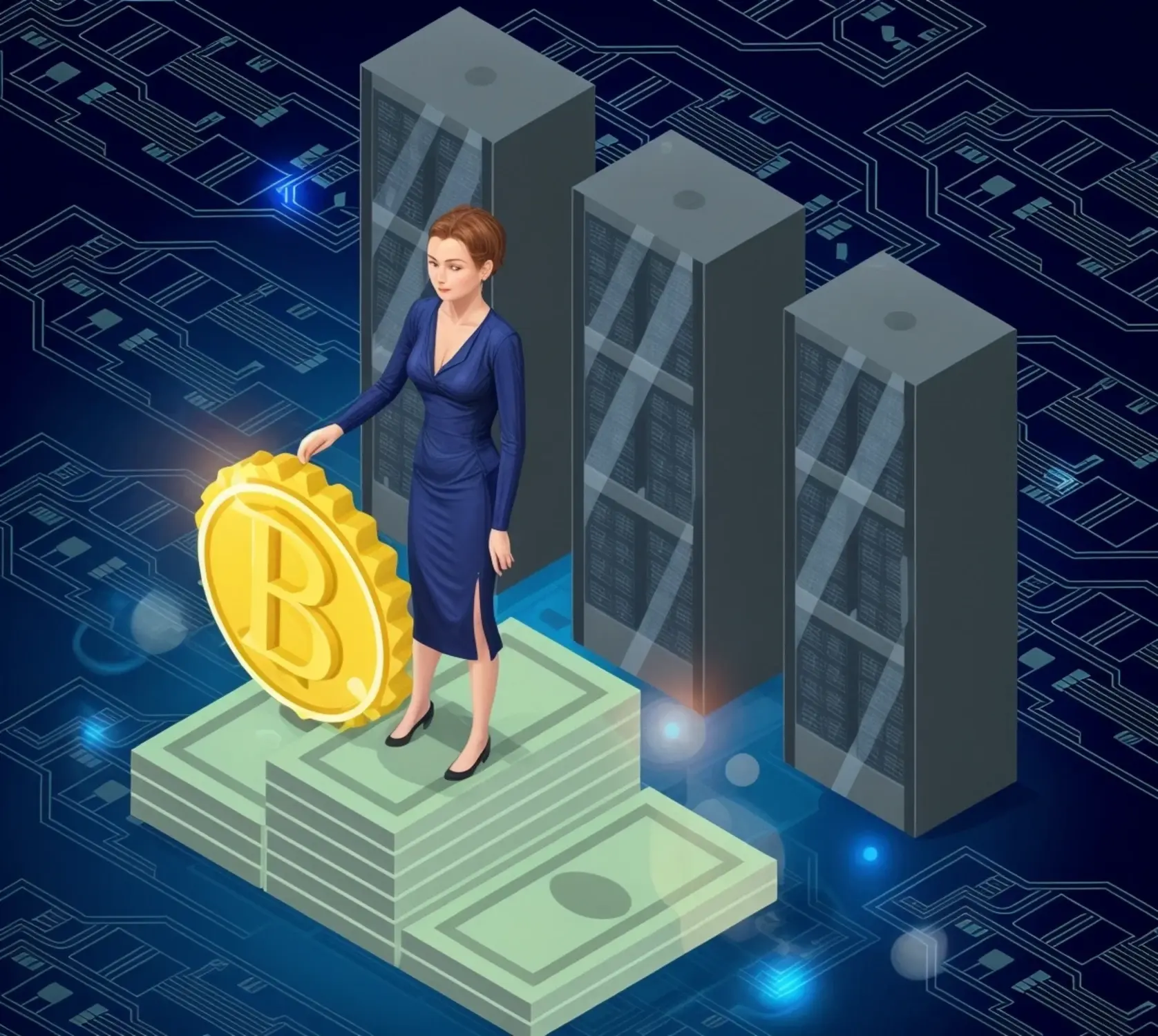
The integration of real-world assets into decentralized finance (DeFi) represents a significant shift that has the potential to bridge the gap between traditional finance and the new financial landscape. By redefining how we perceive ownership and value, tokenization allows physical assets, such as real estate and commodities, to be represented and traded on blockchain platforms. This transition has become especially crucial as the demand for liquidity in the DeFi space continues to rise, allowing investors to diversify their portfolios beyond conventional cryptocurrencies.
According to a report from Delphi Digital, tokenization projects like Backed and Superstate are anticipated to gain momentum, highlighting the growing interest in applying real-world assets to DeFi. Successful case studies, such as those leveraging tokenized real estate, show how blending the stability of physical assets with the technological advantages of DeFi can produce more secure and appealing investment options.
Current DeFi Trends Shaping the Market
Understanding the current trends in DeFi is essential for investors looking to navigate this rapidly evolving space. One major trend is the growth of liquid staking, which enhances liquidity for assets staked on networks like Ethereum. Currently, Ethereum’s staking rate stands at approximately 23.7%, with around 44% of all staked ETH spread across various protocols (Delphi Digital).
Another trend involves the proliferation of decentralized exchanges (DEXs), which are reshaping how assets are traded. Unlike traditional exchanges, DEXs facilitate peer-to-peer transactions without intermediaries, fostering a sense of autonomy and security among users. As these platforms evolve, they raise questions about their long-term sustainability and how mainstream financial markets will respond.
The Potential of Decentralized Stablecoins
Decentralized stablecoins play a vital role in providing stability within the volatile DeFi ecosystem. Unlike their centralized counterparts, these assets are designed to maintain a stable value through smart contracts and decentralized governance. By leveraging mechanisms such as over-collateralization, decentralized stablecoins can mitigate the risks associated with price fluctuations.
The importance of stability cannot be overstated, especially in volatile markets where investor confidence is crucial. As observed, adoption rates for decentralized stablecoins are on the rise, reflecting a growing demand for safer alternatives in the crypto space.
Business Models for the Future of DeFi
Emerging business models within DeFi are presenting novel opportunities for investors and traditional financial institutions alike. Innovations such as yield farming and liquidity pools are attracting significant attention, offering ways to earn passive income on various crypto assets. Furthermore, the integration of real-world assets into these models can draw institutional investment due to the apparent stability and reduced risk they provide.
The relationship between established financial systems and DeFi innovations must also be examined closely. Traditional institutions are increasingly exploring partnerships with blockchain platforms to streamline operations and enhance service offerings, signaling a shift toward a more integrated financial landscape.

Strategies for Investors in a Changing Landscape
As the DeFi market evolves, investors must adopt strategies that align with emerging trends. Understanding how to leverage the integration of real-world assets in DeFi can diversify portfolios and potentially enhance returns. Investors are encouraged to conduct thorough due diligence and incorporate risk management practices when investing in these assets, particularly with the uncertainties surrounding regulatory changes.
Assessing the potential returns from real-world asset investments requires careful consideration of underlying factors, including market demand, token valuation, and liquidity. The landscape is changing, but with the right strategies, investors can capitalize on upcoming opportunities in the DeFi sector.
Financial Innovation and Its Impact
Financial innovations are reshaping global markets, driving the transformation of traditional systems into more advanced, technology-driven models. DeFi is at the forefront of this change, emphasizing the need for secure, efficient, and accessible financial solutions. The significance of technology in propelling these innovations cannot be overstated; it enables new methods of asset management and investment.
As we look toward the future, investors and financial institutions must remain vigilant. The adaptation and integration of DeFi principles into existing financial frameworks offer the potential for unprecedented market evolution. Stakeholders who embrace this change can drive performance and efficiency, setting the stage for a revolutionary shift in how finance operates in the 21st century.