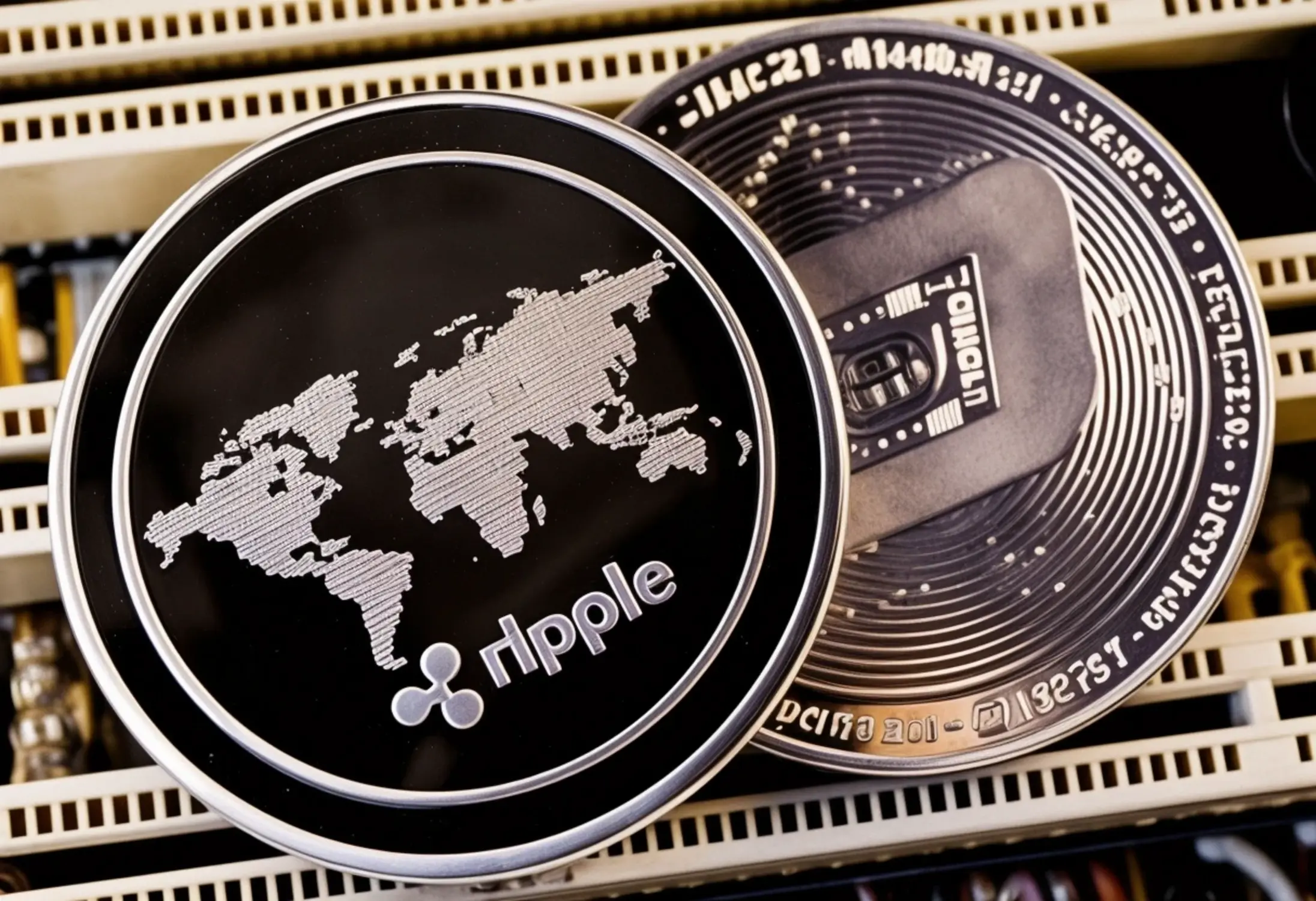
The Hidden Truth About Market Regulation After Paxos’ Fine
Market regulation surrounding digital finance is increasingly critical, especially following Paxos’ significant fine due to compliance failures. We must understand the implications for companies like Pax Dollar and the evolving landscape of compliance in the cryptocurrency world.
Unveiling Paxos’ Regulatory Challenges
Paxos faced a hefty fine due to serious violations in compliance protocols. These failures centered on their anti-money laundering (AML) program, which did not meet regulatory expectations. According to recent reports, Paxos will pay a total of $48.5 million as a settlement, reflective of its inadequate controls and monitoring challenges linked to $1.6 billion in problematic transactions through Binance from 2017 to 2022. This incident not only sheds light on the shortcomings within Paxos but also serves as a critical wake-up call for the digital finance sector at large.
The role of Pax Dollar (USDP) is significant in this incident, as it is fully backed by USD stored in U.S. bank accounts. While Paxos aimed to provide a stable digital currency, the regulatory violations have undermined public confidence in Pax Dollar. The scrutiny surrounding their operations illustrates a pressing need for improved regulatory compliance in organizations involved with digital assets. Compliance has shifted from the mere suggestion to a strict requirement, where firms must proactively adapt to regulatory frameworks or face severe penalties.
The Impact of Paxos’ Fine on Digital Finance
The fine imposed on Paxos isn’t just a company-specific penalty; it shapes the entire narrative of market regulation in digital finance. With increasing scrutiny from regulators, this incident will likely influence how compliance is enforced across the industry. The ramifications will extend beyond Paxos, prompting other firms to reassess their own compliance measures in light of these developments.
Industry experts note that companies must upgrade their compliance frameworks to mitigate risks. The impact of Paxos’ penalty serves as a lesson on the importance of diligent and robust compliance systems. As firms adjust their practices post-penalty, we can expect an intensification of compliance measures across digital finance to ensure adherence to regulatory expectations. Overall, Paxos’ case exemplifies the delicate balance companies must strike between innovation and compliance.
Understanding Market Regulation Landscape
The regulatory landscape surrounding digital assets is evolving rapidly. Current market regulations encompass the financial activities of cryptocurrencies, stablecoins, and other digital assets. Various regulatory bodies such as the New York Department of Financial Services play crucial roles in enforcing compliance and overseeing financial activities within this sphere.
Recent enforcement actions showcase an upward trend in how regulators are treating compliance failures, indicating that firms operating in the cryptocurrency sector could face greater scrutiny. Regulatory bodies are now more vigilant, following the recent actions taken against Paxos as part of a broader trend to crack down on non-compliant entities. This shift emphasizes the need for firms to stay abreast of regulatory updates and ensure they remain compliant as standards become more stringent.
Compliance Failures That Led to the Fine
Paxos’ regulatory penalties highlighted alarming shortcomings in its anti-money laundering program. The investigation revealed specific due diligence failures tied directly to its partnership with Binance, illustrating a common pitfall in the cryptocurrency sector. Many companies struggle with sufficiently monitoring for illicit activities, as seen in Paxos’ case which facilitated problematic transactions worth billions.
To understand the depth of these failures, we can look at how these shortcomings undermine trust in digital finance. Companies must take lessons learned from the Paxos case seriously. Establishing robust compliance measures that include comprehensive due diligence can help safeguard firms against potential penalties and severe reputational damage that impacts not only business operations but consumer confidence as well.

Exploring the Future of Pax Dollar
In response to the regulatory fallout, Pax Dollar is now at a crucial turning point regarding its market stabilization efforts. With increased regulatory oversight, the firm is likely to invest significantly in compliance going forward. This shift underscores the critical role of adherence to regulatory frameworks in ensuring the sustainable growth of digital currencies.
As Paxos re-evaluates its strategies, the focus on compliance can help foster a stable environment for Pax Dollar in the volatile realm of digital finance. The broader implications for the stablecoin market highlight that compliance will likely become the bedrock of any future successes.
Legal Ramifications Beyond Paxos
The ramifications of Paxos’ situation extend beyond its own penalties, suggesting a ripple effect throughout the digital finance ecosystem. Other enforcement actions, such as those against Terraform Labs and Paxful, point to a concerted effort from regulatory bodies to ensure compliance across the board. Ultimately, increasing oversight can prompt companies to pivot, implementing proactive measures to enhance their compliance frameworks.
As the landscape shifts, firms aiming to operate legally will have to tighten their compliance measures to avert similar fates. The pressure is on companies within the sector to lead with transparency and responsibility, ensuring a stable future for themselves and the digital finance industry as a whole. By comprehensively committing to compliance, these firms can better navigate the unpredictable waters of regulatory enforcement.