How North Korea Is Using Crypto to Finance Its Illicit Activities
We are witnessing a troubling trend as rogue nations, particularly North Korea, exploit cryptocurrency to finance illicit activities, fundamentally undermining international financial systems. As regulatory frameworks lag behind, understanding these dynamics becomes crucial.
Exploitation of Crypto by Rogue Nations
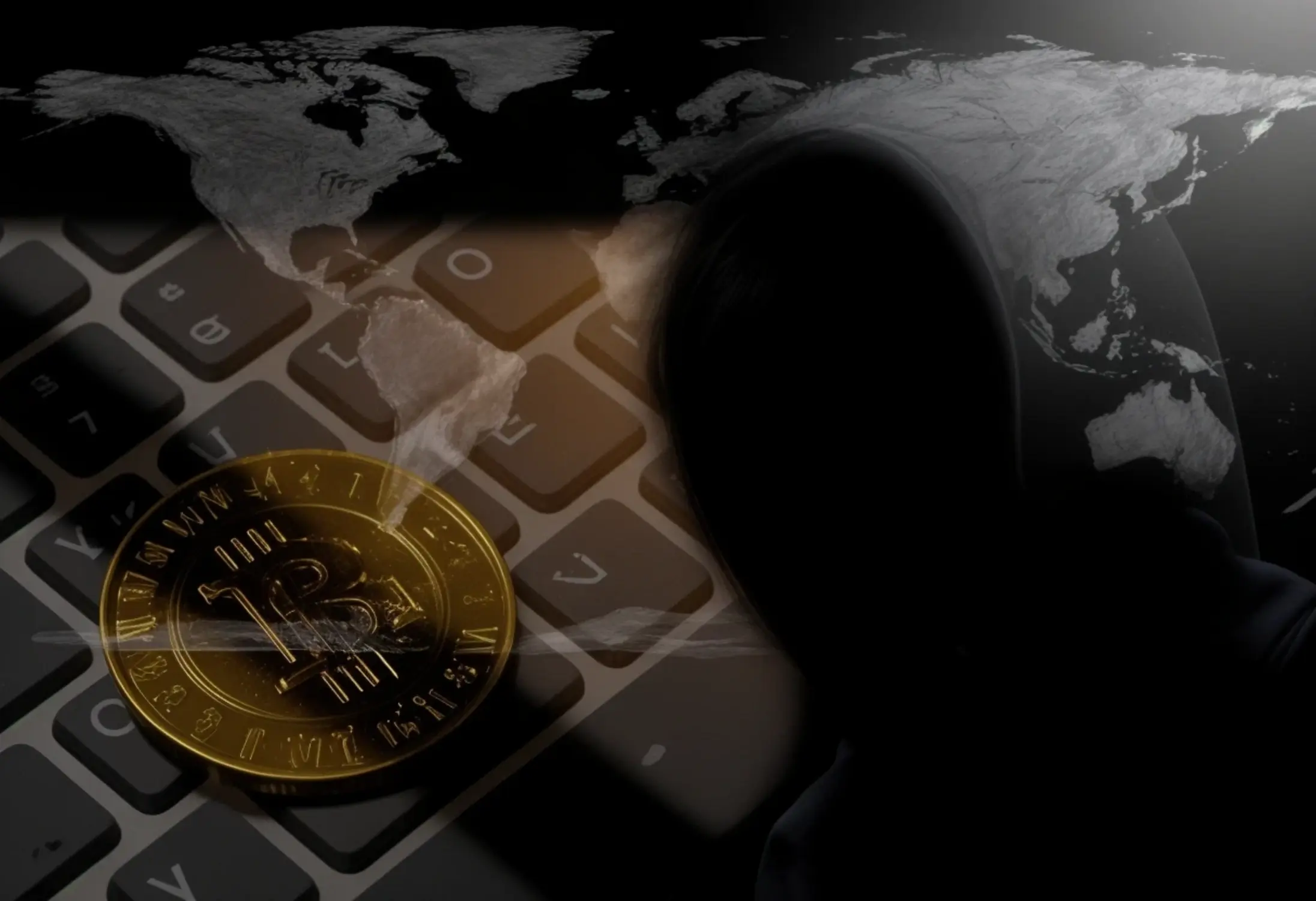
North Korea has become notorious for its strategic use of cryptocurrency in funding illicit activities, including cyberattacks, which serve as a primary mechanism for generating revenue. Experts estimate that an alarming 50% of North Korea’s foreign currency is now generated through cyber operations, with significant amounts coming from exploits in blockchain technology and cryptocurrency exchanges. For instance, according to recent reports, North Korean hackers have stolen over $1.5 billion worth of cryptocurrency from Bybit, showcasing the scale of these operations.
The tactics employed by North Korean cybercriminals are multifaceted. They often use phishing attacks and ransomware to target cryptocurrency exchanges or individual investors, siphoning off funds discreetly. North Korea also leverages its state-sanctioned hacking groups. These groups engage in sophisticated cyber intrusions, manipulating systems to gain access to vast amounts of cryptocurrency. The implications of these actions extend beyond mere theft; they threaten international security by funding further weapons development and proliferation.
Crypto Regulation Challenges
The current global regulatory environment struggles to keep pace with the rapid evolution of cryptocurrency. While some nations have begun implementing stricter oversight, inconsistencies remain prevalent. The absence of universal standards allows illicit cryptocurrency activities to flourish, particularly among rogue nations. Weaknesses in crypto regulations have been thoroughly documented, with analysts noting that many regulations lack the necessary frameworks to enforce accountability.
These gaps significantly hinder efforts to prevent North Korea from leveraging crypto for nefarious purposes. Additionally, regulatory bodies often work within archaic structures that are not designed for the complexities introduced by decentralized finance (DeFi). As such, the lack of coherent regulatory frameworks invites an environment where rogue nations can easily operate without fear of oversight.
North Korea’s Financial Sanctions Evasion
North Korea has proven adept at sidestepping financial sanctions using cryptocurrencies. These sanctions, designed to restrict the country’s access to global financial systems, often do not account for the decentralized nature of cryptocurrency. By conducting transactions through cryptocurrencies like Bitcoin and Ethereum, North Korea can circumvent traditional banking systems. According to analysis, North Korea has financed its weapons development through these covert transactions, creating serious global ramifications.
This evasive maneuvering highlights the weaknesses in sanction enforcement and the broader implications for international security. With North Korea reportedly raising significant funds for its ballistic missile programs through crypto, the ramifications extend beyond borders, threatening allied nations and destabilizing regions.
The Role of Decentralized Finance
Decentralized finance platforms could unwittingly facilitate funding for rogue nations like North Korea. These platforms often operate without stringent regulations, making them vulnerable to exploitation. For example, smart contracts—while innovative—can also be manipulated to obscure the origin of funds and facilitate transactions that support illicit activities.
The need to build stronger security measures within DeFi is critical. Potential solutions include implementing more robust KYC (know-your-customer) protocols and improving transaction traceability to prevent the diversion of funds for military applications. Without these safeguards, the cryptocurrency sector may continue to serve as a financial lifeline for rogue states.

Urgent Need for Global Cooperation
Combating rogue nation financing through cryptocurrency requires urgent and coordinated global efforts. Nations must align their regulatory approaches to create a unified front against these activities. This can be achieved through collaboration between governments and international regulatory bodies. Information sharing is essential; countries must communicate data regarding suspicious activities to prevent attacks on international financial systems.
Developing collective strategies to combat this scourge also means addressing systemic flaws in the crypto industry. These strategies should include the establishment of international policies that govern the operation of cryptocurrency exchanges and DeFi platforms, enforcing consistent compliance across borders and reducing opportunities for illicit funding.
Actions Individuals Can Take
While the regulatory landscape is evolving, crypto investors can take proactive measures to understand risks and promote responsible crypto use. They should familiarize themselves with the complexities of regulatory practices in their jurisdictions and advocate for stronger regulations in the industry. Participating in discussions around responsible crypto practices is increasingly important.
Lastly, investors can support efforts by organizations that promote transparency and accountability within the crypto space. Engaging with platforms that prioritize ethical conduct can create a ripple effect throughout financial systems, ultimately contributing to a more secure global financial environment. By embracing these recommendations, individuals can help mitigate the risks posed by rogue nations leveraging cryptocurrencies for harmful purposes.