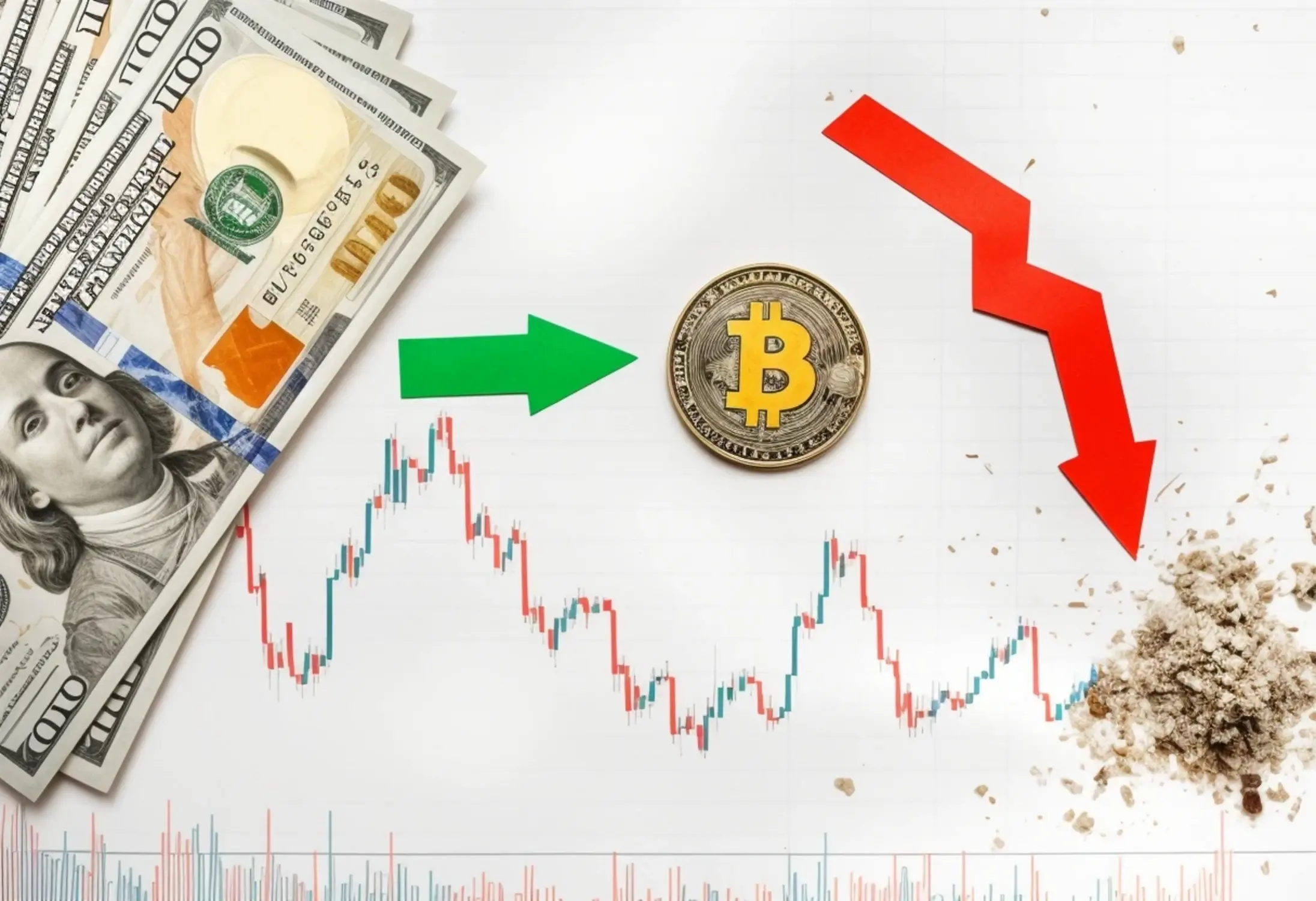
Why Job Losses Are About to Change Everything in Cryptocurrency Valuations
The recent surge in job losses, coupled with rising inflation, signals a potential transformation in the cryptocurrency market. Understanding these dynamics is crucial for investors and stakeholders who need to navigate the forthcoming shifts in crypto valuations during this economic downturn.
Impact of Job Losses on Economic Perception
Increasing job losses have a profound impact on public sentiment regarding the economy. As unemployment rises, consumer confidence typically falters. For instance, the Bureau of Labor Statistics recently reported a loss of 92,000 jobs in February, while the unemployment rate rose to 4.4%, contrary to market expectations of adding 59,000 jobs. This sharp decline influences how people perceive economic stability, causing a ripple effect that extends into investment confidence and consumer spending habits
(Coindesk).
Consumers are less likely to spend money when job security is low. This hesitancy leads to reduced consumer spending, directly affecting businesses and overall economic health. Historical trends often show that as unemployment spikes, markets react adversely; financial analysts note a consistent correlation between job losses and poor stock market performance. Thus, the recent job losses signal not just immediate economic pain, but also the potential for a longer-term downturn that could squeeze the crypto market.
Inflation’s Role in Crypto Valuations
Inflation is a crucial factor that significantly influences investor behavior in the cryptocurrency space. As inflation rises, the costs of goods and assets increase, which leads investors to seek refuge in alternative investment vehicles like cryptocurrencies. Under historical conditions, rising costs have prompted a shift towards digital assets, particularly in times of economic uncertainty. Yet persistent inflation also erodes purchasing power, making it critical for investors to reassess their strategies.
When inflation rates climb, as they are now, the valuation of cryptocurrencies like Bitcoin and Ethereum tends to experience volatility. For example, during inflationary periods, the perceived value of these digital assets can fluctuate drastically, as evidenced by Bitcoin’s decline towards $70,000 following the recent job report indicating economic instability. As reported, fluctuations in inflation can prompt immediate reactions in crypto prices, influencing investor sentiment and market dynamics.
Current Market Analysis: Crypto Under Pressure
Recent market performance statistics illustrate the pressures facing major cryptocurrencies. Bitcoin has seen declines toward $68,000, while Ethereum is trading around $1,976. Analysts attribute these fluctuations to a combination of macroeconomic factors including sour job data and rising oil prices, impacting overall market sentiment. As investors react to these indicators, there is a risk-off environment, leading to increased sell-offs in both crypto and traditional markets.
In the past day alone, over $302 million in crypto positions were liquidated, predominantly affecting Bitcoin and Ethereum, highlighting the fragility and interconnected nature of these assets with broader economic concerns
(TradingView). The implications are significant, as this volatility not only impacts current valuations but also shapes future investment strategies.

Understanding the Economic Downturn’s Ripple Effect
Job losses do not occur in isolation; they lead to a web of economic slowdowns impacting various sectors, including the cryptocurrency ecosystem. This interconnectedness means that as more people lose their jobs, consumer spending decreases, further contributing to economic stagnation. Investors face psychological pressures during such downturns, often leading to negative sentiment and lackluster investments.
The downturn disproportionately affects sectors related to cryptocurrencies, such as blockchain technology and crypto exchanges. Businesses reliant on discretionary income may feel the pinch as fewer consumers are willing to invest in alternative assets. As job losses increase, so too does the uncertainty surrounding the economic future, forcing investors into a more defensive posture.
Strategies for Investors in a Changing Landscape
As investors grapple with the changing reality characterized by increasing job losses and rising inflation, tactical approaches are essential for navigating volatility. Short-term trading should focus on capitalizing on immediate market reactions, whereas long-term strategies need to consider diversification to mitigate risks associated with economic downturns. For instance, holding a blend of cryptocurrencies and traditional assets can stabilize portfolio fluctuations.
Key strategies include:
– Stay Informed: Monitor economic indicators and adjust investment approaches accordingly.
– Diversification: Spread investments across different assets to cushion against losses in any single sector.
– Long-term Outlook: Understand that current volatility may provide entry points for future growth when the market stabilizes.
By employing these strategies, investors can better position themselves in a transforming market landscape shaped by the ramifications of inflation and job losses.
Future Implications for Cryptocurrency Investments
Sustained job losses are likely to reshape investor strategies moving forward. As the economy recalibrates, expectations around regulatory responses may rise, particularly given the challenges currently faced by the cryptocurrency sector. Potential responses from regulatory bodies could include stricter oversight and new guidelines aimed at curbing volatility induced by severe economic changes.
In light of these realities, adaptive investment approaches become necessary. Investors must remain flexible and willing to adjust tactics based on evolving market conditions driven by economic downturns and inflation pressures. Speculating on cryptocurrencies may yield high rewards, but doing so without adequate awareness of underlying economic factors can lead to significant risks in this uncertain landscape.