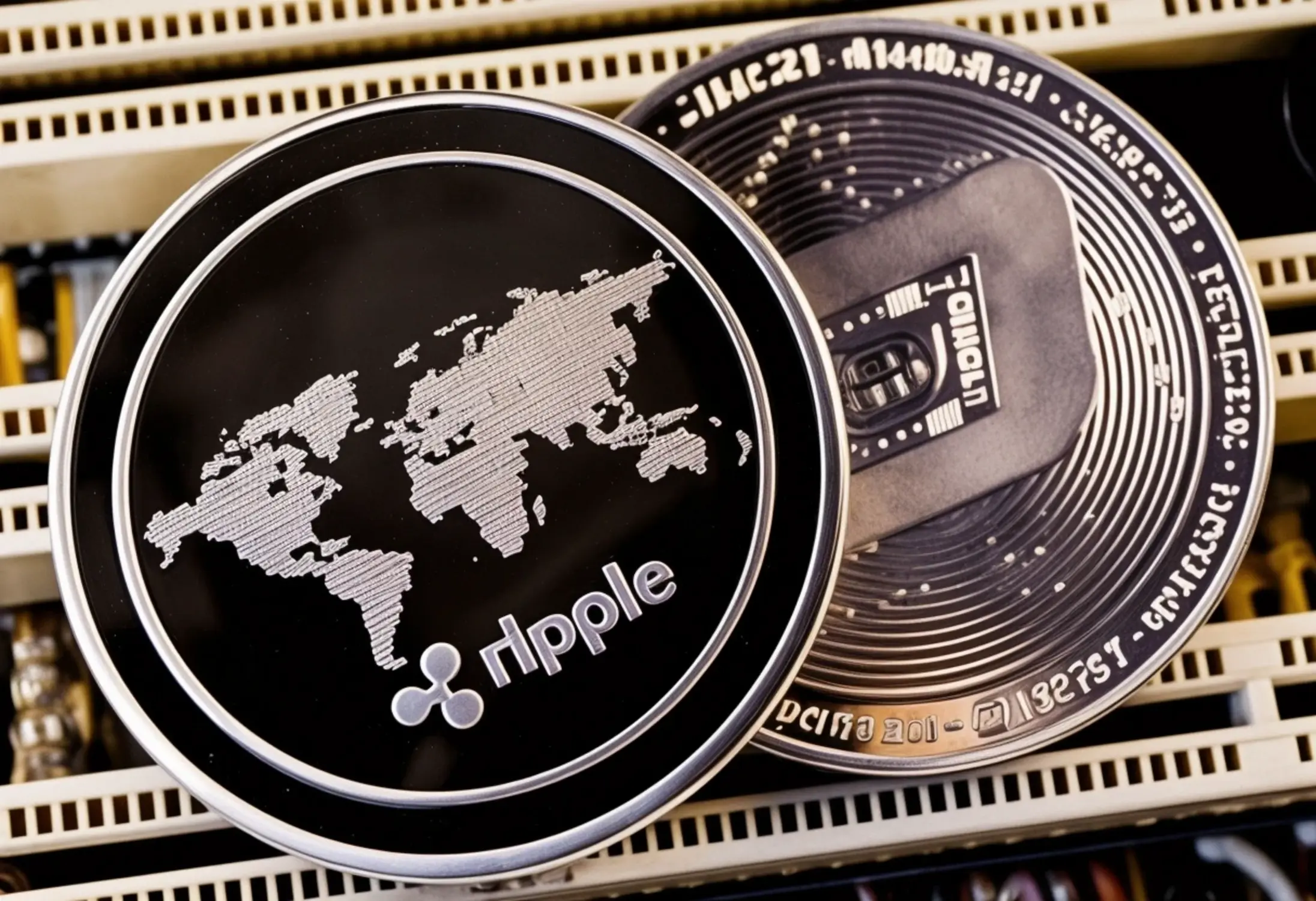
Why Iran’s Crypto Economy Is Shaping Geopolitical Strategies for 2025
The rise of Iran’s crypto economy is redefining geopolitical dynamics, particularly as the country pivots to utilizing cryptocurrency to navigate international sanctions. Understanding this shift is paramount for policymakers and economists alike as it reveals the potential impact of Iran’s economic strategies on global stability.
Understanding Iran’s Crypto Economy
Iran’s cryptocurrency landscape has rapidly developed, with a current valuation estimated at $7.8 billion, positioning itself as a crucial player in the global crypto markets. The country’s significant valuation, as reported by CoinEdition, highlights not only the growing acceptance of cryptocurrencies domestically but also the strategic initiatives directed toward enhancing economic resilience amid international pressures.
Bitcoin mining plays a pivotal role in Iran’s national economic strategy, with the country reportedly accounting for 2-5% of global Bitcoin mining power. This claim, supported by various reports, suggests that Iran has optimized its energy resources to engage in this lucrative sector. The state-run power company has also recognized the operational benefits of Bitcoin mining, which utilizes excess energy and transforms it into valuable cryptocurrency, thus significantly aiding in bypassing economic restrictions (CCN).
Impact of Geopolitical Tensions on Crypto Developments
The geopolitical tensions surrounding Iran have accelerated its crypto adoption. Following multiple rounds of international sanctions, the Iranian economy has increasingly turned towards digital currencies as an essential tool for international trade. The Iranian government, under pressure from sanctions, views cryptocurrency as a way to maintain economic fluidity and circumvent traditional financial systems.
Reports indicate that the activities of the Islamic Revolutionary Guard Corps (IRGC) have deeply influenced these developments. With IRGC-linked addresses representing over 50% of total Iranian crypto inflows in the last quarter of 2025, the military’s involvement highlights a critical intersection between national security interests and economic strategy (CCN). This intertwines military objectives with economic adaptations as Iran seeks to leverage its crypto capabilities despite enduring international isolation.
Current State of Iran’s Cryptocurrency Market
As of 2025, Iran’s cryptocurrency market shows robust growth, driven largely by Bitcoin mining and increased crypto transactions amid political unrest. The fluctuations in the socio-political landscape serve to trigger surges in cryptocurrency activities. During periods of instability, Iranians have turned to cryptocurrencies as safe-haven assets, avoiding the volatility of the national currency and the restrictions of international trade.
While much of Iran’s crypto activity remains undisclosed, it is estimated that the country is home to numerous clandestine operations capitalizing on regulatory gaps and international sanctions. These operations play a critical role in maintaining liquidity and economic stability, underscoring the importance of the crypto economy in Iranian financial systems.
Ethereum’s Role in Iran’s Economic Strategies
In addition to Bitcoin, Ethereum is gaining traction within Iran’s economic framework. The platform is increasingly utilized for various projects aimed at fostering domestic and international collaborations. Not only does it provide a base for launching decentralized applications, but it also allows the country to engage in smart contracts, which are essential for streamlining processes and reducing costs.
Several Iranian startups are working on Ethereum-based projects, targeting both local and broader markets. These initiatives show promise in mitigating the effects of sanctions while promoting innovation. As such, Ethereum is not merely a supplementary asset but serves as a critical component of Iran’s strategy to leverage digital currencies for economic benefit.
Navigating Sanctions Through Digital Currency
Iran’s strategic use of cryptocurrency has positioned it uniquely to navigate economic sanctions imposed by various countries. By leveraging these digital currencies, Iran can facilitate trade with nations that are sympathetic to its plight or are also isolated by Western sanctions. The stability provided by crypto during crises offers a vital lifeline to the Iranian economy.
Case studies have emerged showcasing successful transactions that circumvent traditional banking systems, allowing crucial imports and exports to continue, even in the absence of favorable diplomatic relations. As Iran looks to fortify its economic stability, digital currencies become indispensable in its ongoing battle against financial limitations imposed by global geopolitical dynamics.
Future Implications for Crypto Markets
The evolution of Iran’s crypto economy may have profound implications for global crypto markets. Should the geopolitical tensions escalate, greater disruptions in trade could lead to further innovations within Iran’s cryptocurrency sector. Investors would need to consider the unique risks and opportunities of engaging with Iranian firms, particularly as they navigate sanctions and explore alternative markets.
The entrenched position of cryptocurrency in Iran’s economic strategy suggests a future where digital currencies play larger roles in statecraft and international relations. As the global community monitors Iran’s adaptation to an increasingly complex financial landscape, the outcomes could tilt the balance of power in favor of countries that leverage emerging technologies effectively, reshaping the contours of geopolitical strategies in 2025 and beyond.