How Iranian Entrepreneurs Are Using Blockchain to Transform the Crypto Market
Innovative Iranian entrepreneurs are harnessing blockchain technology to reshape the Iran cryptocurrency landscape. Their initiatives not only address economic challenges but also offer solutions for leveraging crypto in a sanctioned environment, making this a pivotal moment for the crypto economy in Iran.
The Importance of Crypto Economy in Iran
Cryptocurrencies have become an essential part of Iran’s economy, especially given the economic challenges it faces. With the imposition of international sanctions, many Iranians are turning to cryptocurrencies as a means to achieve financial freedom. They provide an alternative way to conduct transactions without dependency on traditional banking systems, which are often limited by sanctions. According to recent reports, the Iranian crypto economy has reached a startling size, revealing that it has facilitated transactions valued at around $78 billion.
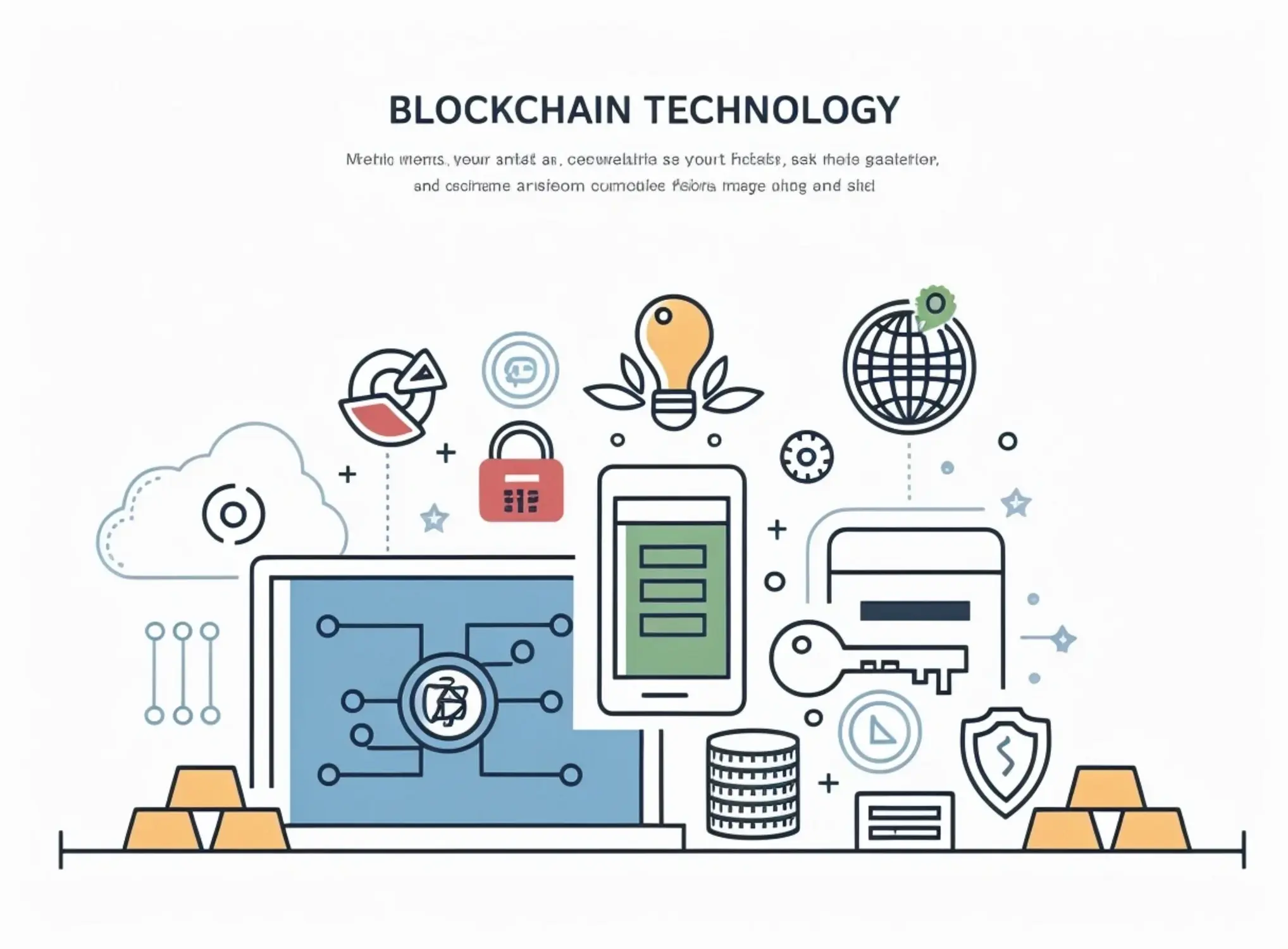
Blockchain technology serves as the backbone of this transformation. Its decentralized nature enables Iranians to bypass the hurdles imposed by economic restrictions, facilitating not only trade but also investment in various sectors. As the crypto economy continues to expand, it fosters innovation, creating opportunities for new business models that can thrive in a constrained financial environment.
Major Shifts in the Iran Crypto Market
Recent trends indicate a significant increase in cryptocurrency adoption among Iranians. A youthful population, tech-savvy and eager to embrace new technologies, is leading this charge. The emergence of several key players in the market has been pivotal. Startups are springing up in the fields of cryptocurrency exchanges, wallet services, and blockchain applications. These innovators are crucial in driving adoption, making cryptocurrencies more accessible to the wider public.
Additionally, the intersection of finance and technology has paved the way for novel solutions within the Iranian crypto market. Entrepreneurs are not just passively entering the market; they are reshaping it by introducing unique products that cater to local needs. The resilience of these businesses amid restrictive environments is noteworthy, as illustrated by the growing number of users and transactions taking place on platforms catering to the Iranian market.
Overcoming Blockchain Sanctions Challenges
The international sanctions placed on Iran have created unique challenges for entrepreneurs looking to leverage blockchain technology. These restrictions limit access to international financial systems and technological resources. However, Iranian entrepreneurs are finding innovative strategies to navigate these obstacles. For example, many have turned to peer-to-peer transaction platforms that operate independently of traditional banking systems. By acting as intermediaries, these platforms enable users to trade cryptocurrencies without relying on banks, mitigating the effects of sanctions.
Successful ventures often share common strategies that emphasize creativity and resilience. Case studies showcase startup founders who have made remarkable strides despite facing significant regulatory challenges. They utilize decentralized finance (DeFi) solutions that minimize their reliance on traditional financial systems. As contingencies arise—from regulation changes to shifts in political climates—these entrepreneurs adapt quickly, demonstrating their commitment and ingenuity in the face of adversity.
The Role of Technology in Transforming Iran’s Crypto Landscape
As technology continues to evolve, its role in revolutionizing Iran’s crypto landscape becomes increasingly evident. Cutting-edge advancements in blockchain technology are providing a solid foundation for a vibrant crypto ecosystem. These developments have made it easier for startups to implement secure and scalable solutions.
The integration of blockchain with fintech innovations is further enhancing the accessibility of cryptocurrencies. For example, mobile apps linked to crypto wallets enable users to manage their assets effortlessly. Future innovations, such as smart contracts and decentralized applications (dApps), are poised to emerge from Iran’s burgeoning crypto environment, attracting both local and international interest.
Key Success Stories in Iranian Cryptocurrency
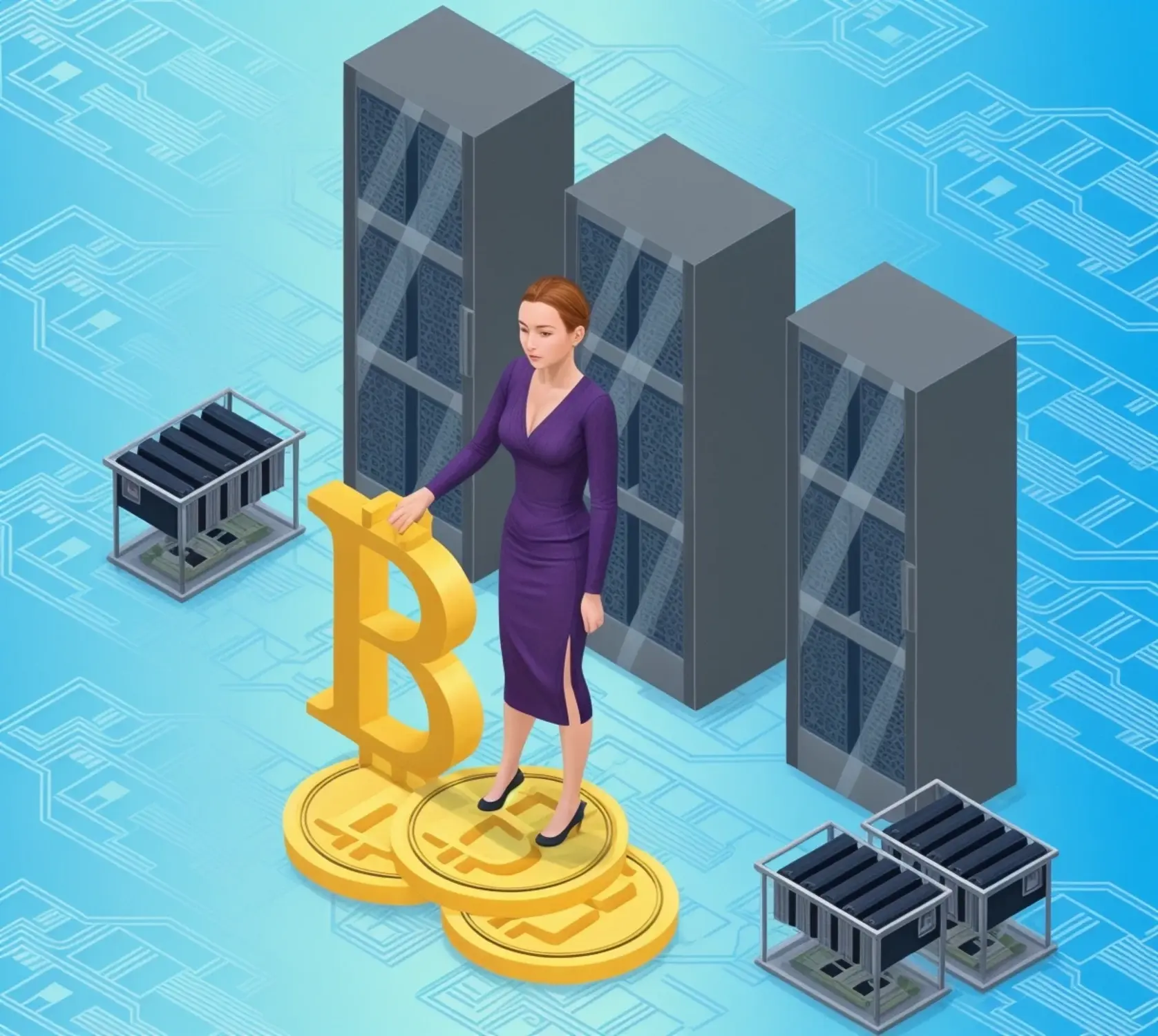
The Iranian cryptocurrency scene is adorned with numerous success stories, showcasing local entrepreneurs who have made significant impacts in the industry. For instance, several startups have developed groundbreaking applications that leverage blockchain technology for social good, such as solutions to support local businesses or enhance transparency in transactions. These examples illustrate not just the innovative spirit of Iranian entrepreneurs but also highlight the social implications of their ventures in a restrictive environment.
Learning from their experiences, these pioneers face challenges head-on, often pivoting their business models to stay relevant in an ever-changing landscape. Their stories offer valuable insights into resilience in entrepreneurship and highlight the dynamic capabilities of the Iranian crypto market.
Future Outlook for Iran Cryptocurrency and Blockchain
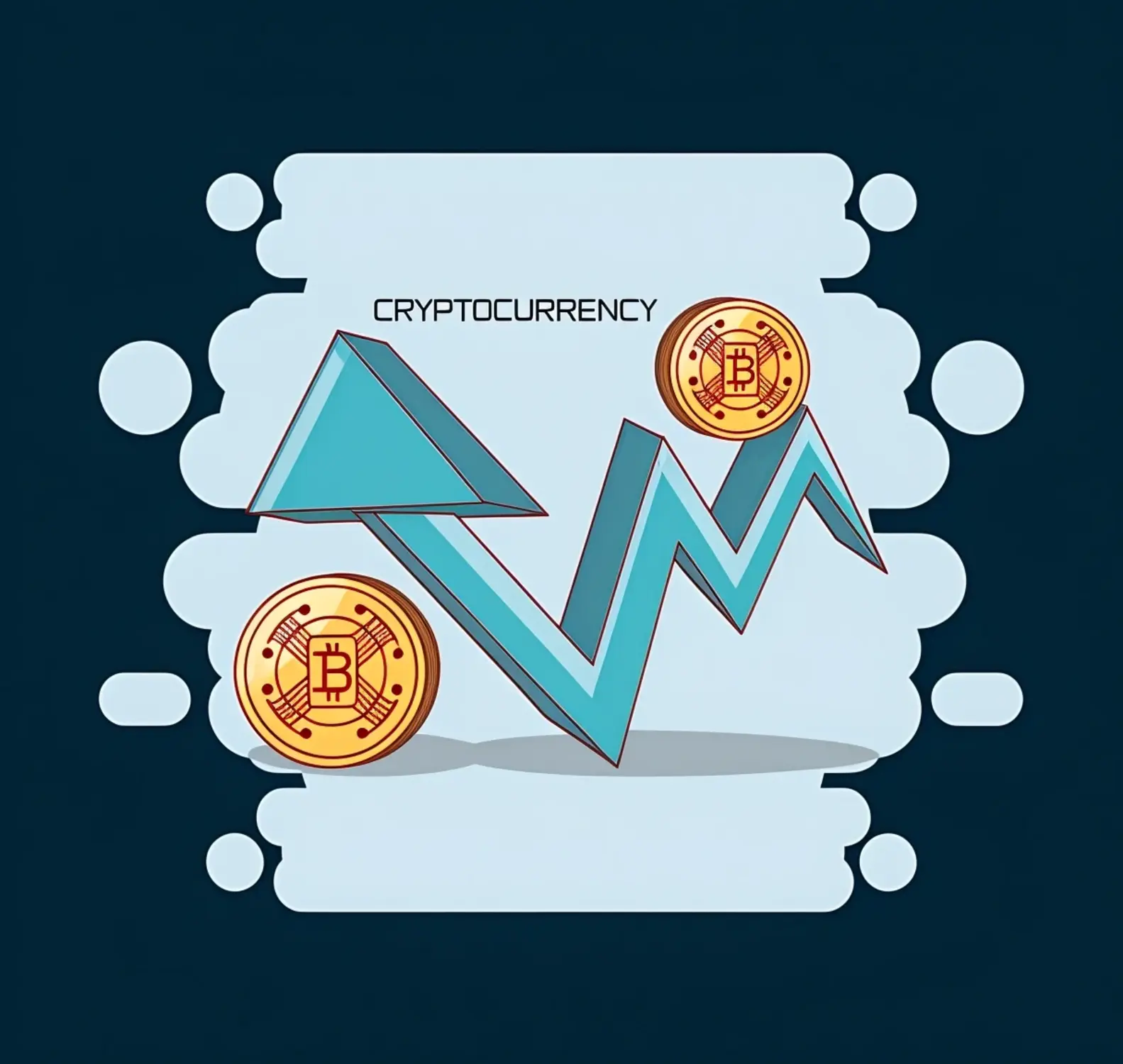
Looking ahead, the future of the Iranian cryptocurrency market appears promising. Projections indicate an upward trajectory as more individuals and businesses recognize the value of cryptocurrencies. Increased global collaboration could lead to enhanced legitimacy in the international arena, potentially easing some restrictions.
Moreover, the long-term implications of blockchain adoption could reshape the overall economic landscape, creating alternative pathways for trade and investment in Iran. As these developments unfold, the integration of technological advancements suggests that Iran may become a significant player in the global cryptocurrency arena, setting a precedent for other nations facing similar challenges.
In conclusion, Iranian entrepreneurs are not just adapting to sanctions—they are actively transforming the crypto landscape through innovative blockchain solutions, paving the way for a more resilient and dynamic financial future.