Why Stagflation Is About to Change Everything in the Crypto Market
Stagflation poses a significant challenge to the crypto market. With rising inflation and stagnant growth, understanding its implications is crucial for investors. As this economic phenomenon unfolds, it is essential to analyze its effects on cryptocurrencies and discover strategies to navigate this changing landscape.
Understanding Stagflation’s Economic Impact
Stagflation is an economic condition characterized by stagnant economic growth, high unemployment, and high inflation. Historically, it gained attention in the 1970s, when many economies faced rising price levels alongside slow economic activity, a troubling combination that created widespread concern among policymakers and investors alike. In today’s context, several factors contribute to a renewed worldwide fear of stagflation, especially as recent economic indicators have begun to display troubling patterns.
Currently, rising energy prices, supply chain disruptions, and aggressive monetary policy shifts all contribute to creating conditions ripe for stagflation. For instance, as global demand pressures exacerbate inflation rates, we find wages lagging behind price increases, impacting purchasing power. According to recent reports, economists have begun to signal that the U.S. economy is showing signs of “breaking down,” foreshadowing a challenging period ahead. These changing dynamics highlight the importance of understanding stagflation’s implications for various markets, especially the crypto market.
The Ripple Effect on the Crypto Market
Stagflation significantly influences investor behavior within the crypto market. The uncertainty and anxiety surrounding stagnant growth and inflation typically lead to shifts in investment patterns. Investors are often drawn towards assets perceived as safer, while simultaneously exhibiting heightened caution in their expenditure. As observed historically, periods of economic challenge can trigger shifts in demand for cryptocurrencies like Bitcoin, signaling a flight towards perceived hedges against traditional financial risks.
For cryptocurrency, particularly Bitcoin, this could mean an increased demand as individuals and institutions seek refuge amidst economic instability. Reports suggest that cryptocurrencies may become a more attractive option as investors look for alternatives to traditional markets, particularly in light of ongoing inflationary pressures (Blockchain Reporter). As stubborn inflation continues, the behavior of crypto investors could reflect a growing appetite for digital assets as viable alternatives.
Current Trends in Cryptocurrency Investments
Amid increasing economic uncertainty, recent investment trends show that investors are re-evaluating their portfolios. The decline in traditional market confidence has led many to explore alternative investments, including cryptocurrencies. The proliferation of economic distress often engenders interest in alternative assets like Bitcoin, as these are viewed through the lens of hedging against inflationary pressures.
Factors driving investors toward cryptocurrencies amid stagflation include:
– Inflation Hedging: Cryptocurrencies are increasingly perceived as assets that maintain value during inflationary periods.
– Technological Advancements: Innovations in blockchain technology continue to foster confidence in the crypto space.
– Institutional Interest: Growing hedging practices among institutional investors help legitimize crypto assets in uncertain times.
Market sentiment remains volatile, closely tied to ongoing shifts in economic indicators. As analysts keep a watchful eye on inflation rates and economic growth practices, it soon becomes apparent how these external factors weigh heavily on the potential for cryptocurrencies in the coming months.

Bitcoin’s Role in a Stagflation Climate
In a stagflation climate, Bitcoin emerges as a prominent player serving as a hedge against inflation. Its decentralized nature and limited supply make it appealing during times of rising consumer prices. Historical performance data has shown that Bitcoin can maintain value better than traditional currencies in similar economic environments.
However, it is essential to recognize that Bitcoin remains inherently volatile, which poses risks for investors. For instance, while it may act as an inflation hedge, its price can experience significant swings, challenging its reliability as a stable store of value. Yet, the potential for Bitcoin to gain mainstream adoption during stagflation could cement its status further as a critical asset class. As more people consider cryptocurrency’s advantages, Bitcoin’s role might transition from speculative investment to essential portfolio component.
Kazakhstan’s Crypto Landscape Amid Economic Changes
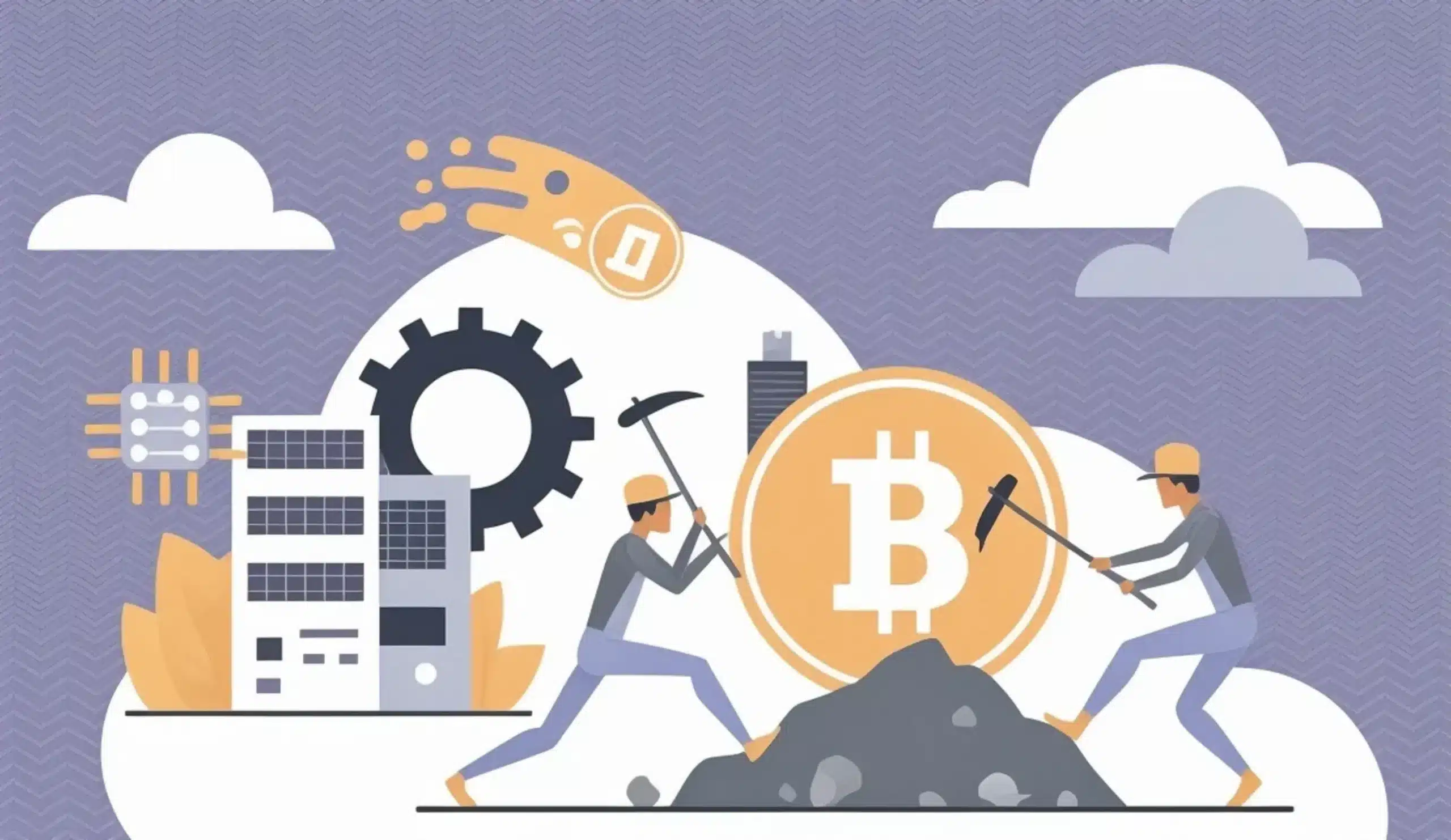
Kazakhstan has increasingly established itself as a significant player in the global cryptocurrency market, largely due to government policies that encourage crypto mining and trading. Positioned favorably as a mining hub, the country benefits from its rich coal reserves and favorable climate conditions for mining operations. Thus, investors closely watch Kazakhstan’s adaptability to changing economic conditions as stagflation looms, given the overall global implications on cryptocurrency mining.
Recent government policies are crucial in shaping Kazakhstan’s standing in the crypto space. The government’s regulatory framework aims to attract investments while ensuring compliance with global standards. As the situation evolves, market adaptability is critical; countries that manage to navigate between regulation and innovation may find themselves at the forefront of the crypto economy.
Strategies for Investors in a Stagflationary Environment
As stagflation continues to unfold, investors face unique challenges that require strategic foresight. Here are a few actionable steps investors can consider to protect their portfolios in a stagflationary environment:
– Diversify Your Portfolio: Spread investment across various asset classes, including Bitcoin, altcoins, and traditional stocks, to minimize risk exposure.
– Research & Analyze: Keep informed about emerging trends and economic data that could impact cryptocurrency prices and overall sentiment in the market.
– Invest in Resilient Assets: Focus on cryptocurrencies that exhibit stability and long-term growth potential, especially during adverse economic conditions.
Ultimately, stagflation represents a harbinger of change in the crypto market, presenting both opportunities and challenges. As investors remain vigilant, understanding market dynamics influenced by stagflation will prove invaluable in navigating this evolving landscape.