Why Cryptocurrency Regulation Delays Are Causing Market Panic
Cryptocurrency regulations remain a vital topic in the financial world, particularly as market sentiment fluctuates significantly due to ongoing delays. Understanding these regulatory challenges is essential for investors navigating the unpredictability of Bitcoin and Ethereum. The current landscape underscores the urgent need for clear regulatory frameworks to restore investor confidence and stabilize the market.
Understanding Cryptocurrency Regulations Impact on Investments
Cryptocurrency regulations play a crucial role in shaping investment decisions. When regulatory clarity is lacking, investors often exhibit caution, leading to reduced trading activity and increased volatility. For example, many traders are waiting for definitive guidelines before committing significant capital. This hesitation often translates into fluctuations in prices across major cryptocurrencies like Bitcoin and Ethereum. According to recent reports, Bitcoin has been particularly influenced by regulatory ambiguity, causing it to struggle maintaining key price levels.
Furthermore, the relationship between market dynamics and regulations is significant. Regulations can impact the security and legitimacy of investments, often swaying public perception. If investors perceive rigid or punitive regulations, they may flee to safer assets, such as stablecoins. As the regulatory environment evolves, traders must remain vigilant and adaptable to changing rules that directly affect their investment strategies.
Current State of Crypto Regulation Delays
The timeline of recent regulatory announcements reveals a landscape riddled with uncertainty. For instance, various jurisdictions have delayed crucial decisions that could significantly reshape the crypto market. Delays in approvals of cryptocurrency exchange platforms and the establishment of comprehensive policies contribute directly to fluctuating market sentiments. As industries anticipate new regulations, the lack of definitive timelines fosters an environment of speculation and anxiety.
Key regulatory bodies have expressed concerns over investor protection, which adds to the tension. Statements from figures within the U.S. Securities and Exchange Commission (SEC) and other monetary authorities emphasize the delicate balance regulators must strike between innovation and risk management. This pause in regulatory actions has left investors grappling with how to react, reflecting broader concerns about compliance and legitimacy within the cryptocurrency space. As highlighted by Binance’s analysis, these delays can have ripple effects, creating market instability and pushing investors toward alternative assets.
Market Sentiment Amid Regulatory Uncertainty
Regulatory delays significantly influence investor confidence and market sentiment. As uncertainty looms, trading volumes often reflect this hesitancy. Investors may adjust their strategies, moving funds into more stable assets or reducing their engagement with cryptocurrencies altogether. This reaction serves as an essential indicator of how crucial regulations are to the overall market health.
Shifts towards stablecoins have become more pronounced during these turbulent times. Investors seek refuge in assets that provide perceived stability amid volatility. As some analysts note, a stronger demand for stablecoins suggests that traders are prioritizing capital preservation over profit maximization during uncertain regulatory periods. The overall mood surrounding cryptocurrencies remains strained, highlighting the need for rapid regulatory advancements and clearer market signals.
Bitcoin and Ethereum: Recent Price Movements
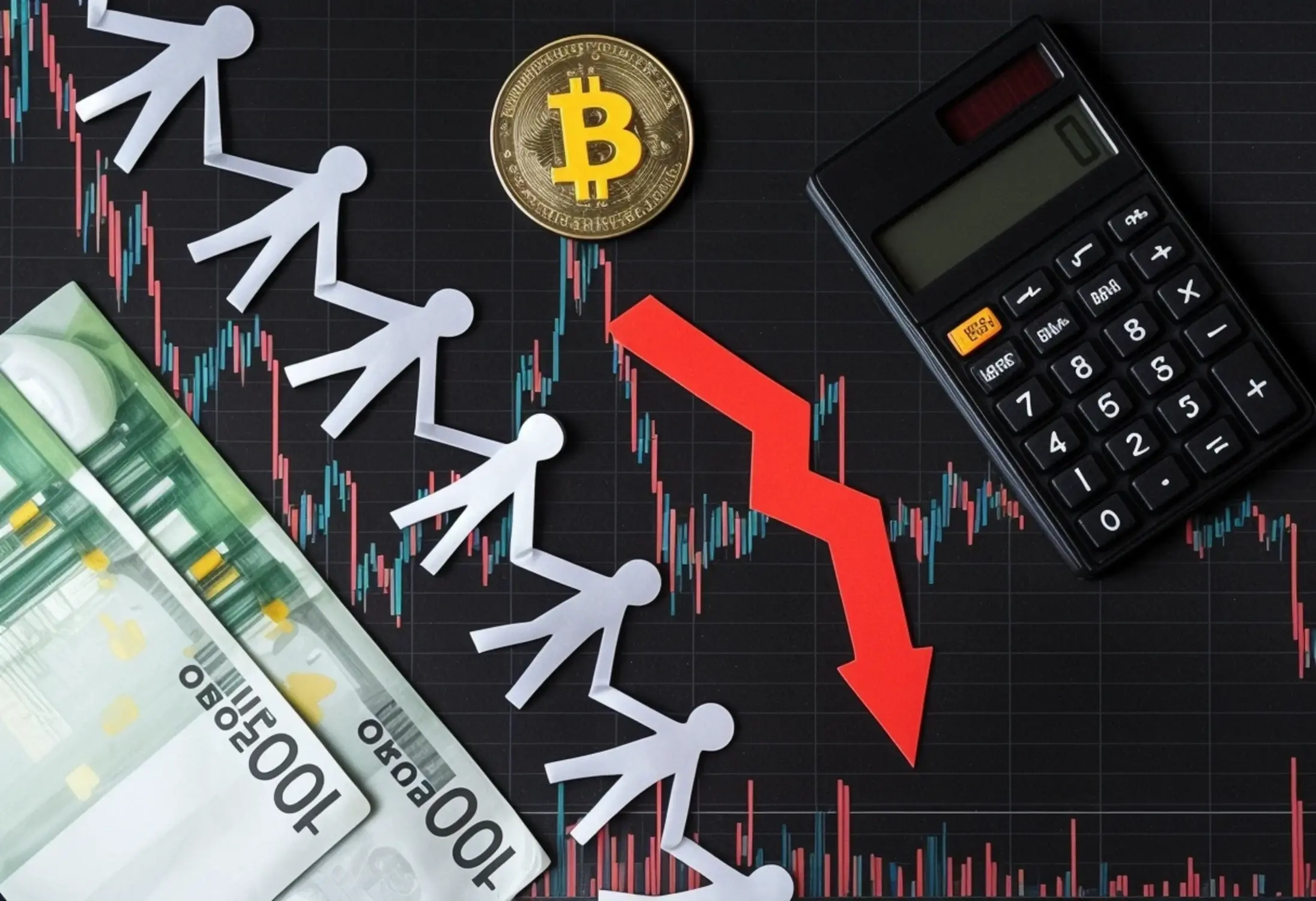
Recent market analysis indicates notable volatility for both Bitcoin and Ethereum. Bitcoin, for example, saw a price decline of about 2.19%, falling to approximately $68,670.70 after failing to maintain resistance above $70,000. Analysts attribute this decline not only to regulatory delays but also to shifts in market sentiment and broader economic indicators, such as Federal Reserve policies. Ethereum also experienced challenges, with a drop of 5.36%, trading around $1,965.56.
The interaction between resistance levels and external factors plays a critical role in price stability. As Bitcoin attempts to consolidate between $68,000 and $69,500, the market will be closely watching for any signs of recovery or further decline. Investor behavior will likely hinge on upcoming regulatory announcements and changes that could directly affect trading environments for both Bitcoin and Ethereum.
Actions Investors Can Take During Delays
During periods of uncertainty caused by regulatory delays, investors can adopt various strategies to better navigate market volatility. Firstly, implementing effective risk management techniques is essential. This includes setting stop-loss orders to limit potential losses. Tailoring investment portfolios to include a mix of assets can also provide a buffer against market downturns.
Furthermore, diversification becomes a vital protective measure. By spreading investments across different cryptocurrency assets and even including more traditional assets, investors can mitigate risk while maximizing potential returns.
Investors might also consider staying engaged with ongoing industry news and regulatory developments to remain proactive. By understanding the regulatory landscape and its implications, they can make more informed decisions during these tumultuous phases. Engaging with analytical resources and expert opinions can equip investors with valuable insights, allowing them to adapt quickly to changing circumstances.
Future of Cryptocurrency Regulations
Looking ahead, predictions for forthcoming regulatory changes indicate a potential shift towards clearer frameworks. Industry experts suggest that regulators are increasingly recognizing the need for balance between fostering innovation and protecting investors. As regulations evolve, the impact on market conditions could be profound, shaping the future of cryptocurrency trading.
Much debate surrounds the role of legislation in the crypto landscape. Clear, supportive regulations could bolster investor confidence, thereby stimulating market growth. Conversely, stringent rules could inhibit innovation and deter investment. Observing how these dynamics unfold will be critical for investors anticipating future trends and strategies.
Conclusion on Market Readiness
Investor preparedness for regulatory changes is crucial as the cryptocurrency landscape continues to evolve. Staying informed about potential regulatory shifts is essential for adapting effectively. Ultimately, a proactive approach to investing can help navigate the challenges posed by regulatory delays. Investors who remain engaged and adaptable will likely weather the storm more effectively, positioning themselves for success in an unpredictable market.