The Hidden Truth About Crypto Volatility and Investor Behavior
Navigating the impacts of crypto volatility is crucial for investors today, especially as its influence pervades financial markets. Understanding its effects on investor behavior can shape informed decisions and strategies in an increasingly volatile landscape.
The Significance of Crypto Volatility Today
Crypto volatility has quickly become a focal point in financial markets, significantly affecting investor behavior and stock market sentiment. Rising interest in cryptocurrencies stems not only from their speculative potential but also from their increasing acceptance as a legitimate asset class. Understanding crypto volatility is essential as it directly impacts market confidence and investment strategies. In recent years, the correlation between stock market performance and crypto fluctuations has grown stronger, illustrating how intertwined these financial sectors have become. According to recent reports, when crypto markets experience instability, traditional investors often reassess their strategies based on shifting sentiment. Investors might feel compelled to withdraw from riskier assets, especially when faced with sudden price swings in major cryptocurrencies like Bitcoin.
Current Fluctuations in the Crypto Sphere
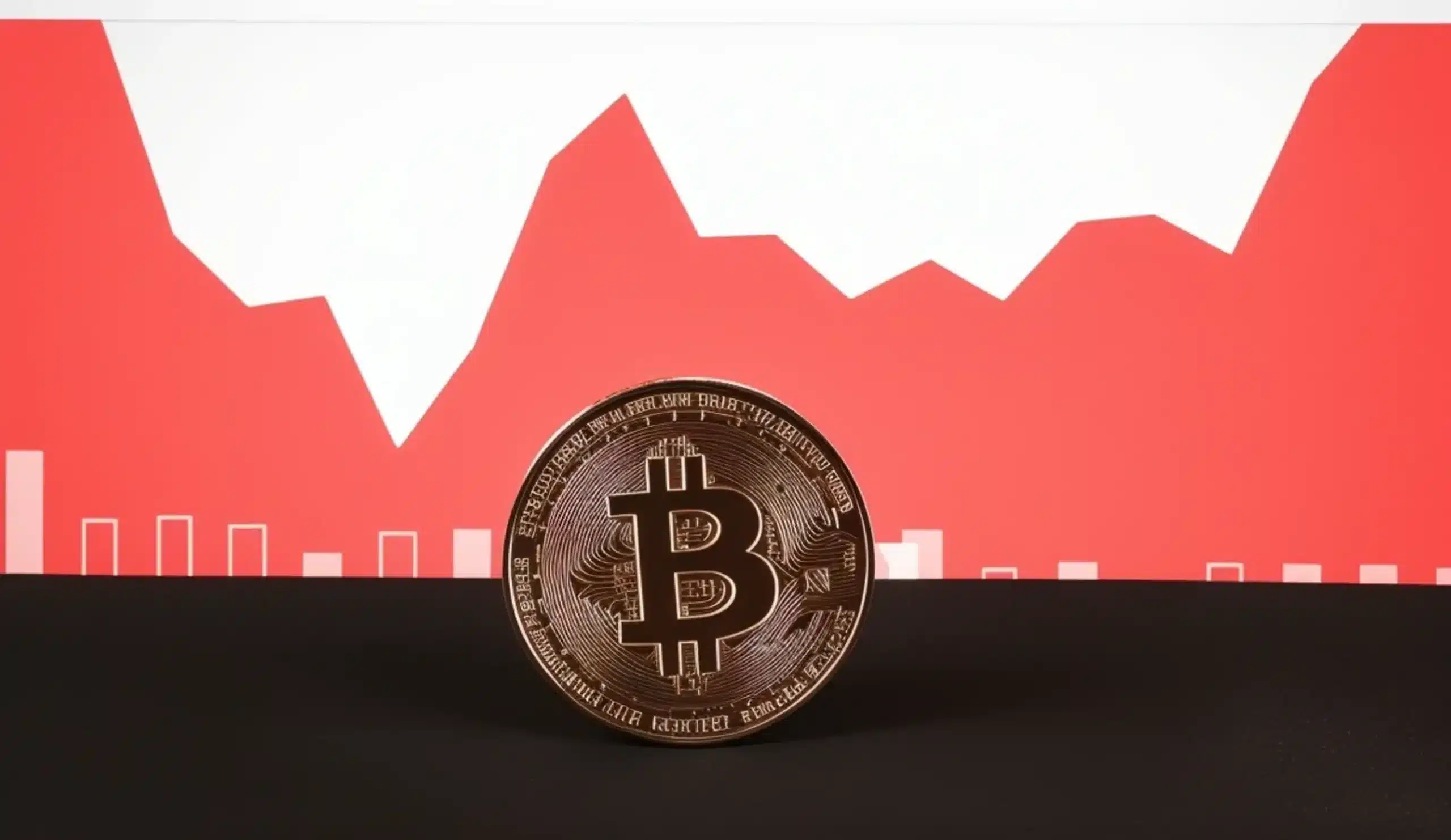
The current state of cryptocurrency markets demonstrates significant fluctuations that could influence investor strategies. For instance, Bitcoin’s recent drop has not only affected its investors but has also triggered a ripple effect across the broader stock market. As reported by industry analysts, the S&P 500 faced a downturn alongside Bitcoin’s decline, breaking a five-day winning streak. Market sentiment surrounding cryptocurrencies reveals a cautious mood among investors as they monitor price movements closely. Investors are increasingly aware that Bitcoin, while often regarded as a pioneer, can significantly sway the stock market, leading to heightened emotions and rapid trading responses.
Bitcoin Effects on Traditional Investments
Bitcoin’s influence on traditional investments has raised intriguing discussions about market dynamics. Observations indicate a correlation between Bitcoin’s value and stock indices, revealing how a decline in Bitcoin can lead to downward pressure on stocks, particularly in technology sectors. This impact is especially evident with companies like Nvidia and Coinbase, which have close ties to crypto valuations. Following a recent substantial drop in Bitcoin prices, sector-specific stocks like these have reacted negatively, demonstrating investor sentiment’s interconnected nature. As noted in market analyses, the overall implications of Bitcoin’s volatility extend beyond the crypto space, influencing how traditional investors view risk and opportunity.

Investor Behavior During Market Uncertainty
Investor behavior during periods of heightened market uncertainty showcases drastic changes in strategies. Crypto volatility often leads to a range of emotional responses from both retail and institutional investors. Many traders resort to panic selling during sharp declines, reflecting how deeply sentiment influences decision-making. Recent trading patterns illustrate a rise in anxious activity, where investors frequently check market updates to adjust their portfolios. Retail investors tend to react more emotionally, while institutional investors may leverage data analysis to inform their moves. However, both groups face similar psychological pressures, resulting in erratic trading patterns reminiscent of past market crashes. The collective impact of these reactions can create an amplified volatility cycle, as investor confidence wavers.
Financial Market Responses to Crypto Trends
Financial markets demonstrate an active response to the evolving trends within the crypto space. When Bitcoin experiences significant price movements, traditional markets often react with heightened volatility, indicating a shared sentiment among investors. The projected interest rate changes by the Federal Reserve, influenced by crypto market performance, signal the broader economic implications of cryptocurrencies. As traders anticipate future actions, there is a collective focus on how these alterations might impact retail spending and overall market stability. Recent reports indicate that despite market corrections, retail spending was expected to exceed expectations; this anomaly underlines the complex interplay between crypto and traditional financial systems. According to recent analysis, traders are betting on a substantial likelihood of economic policy changes due to crypto volatility.
Practical Steps for Navigating Crypto Volatility
Mitigating risks associated with crypto investments requires a well-considered strategy. Investors should prioritize diversification across various asset classes to buffer against volatility. This approach helps cushion losses in downturns while maximizing opportunities during market surges. In addition, maintaining emotional stability is vital during periods of extreme market highs and lows. Utilizing tools like stop-loss orders can provide a safety net, while continual education on market trends nurtures informed decision-making. Here are a few practical tips:
– Diversify investments to spread risk.
– Set clear investment goals to guide decisions.
– Stay informed about market trends and news.
By applying these principles, investors can enhance their resilience amidst the unpredictable nature of crypto volatility.
The Future Outlook for Investors
Looking ahead, the future of crypto volatility presents both challenges and opportunities for investors. Speculations about upcoming regulation changes loom large, possibly shifting investor strategies significantly. As financial markets continue to evolve, understanding the regulatory landscape will be crucial for navigating uncertainties. Moreover, the potential for innovation in blockchain and cryptocurrency technology may create new investment avenues. Preparation for these trends can equip investors to adapt quickly. Overall, cultivating a thorough understanding of the evolving landscape of financial markets—particularly regarding crypto—will remain essential for those seeking to thrive in the coming years.