Why Blockchain Economics Is About to Change Everything in the Digital Economy
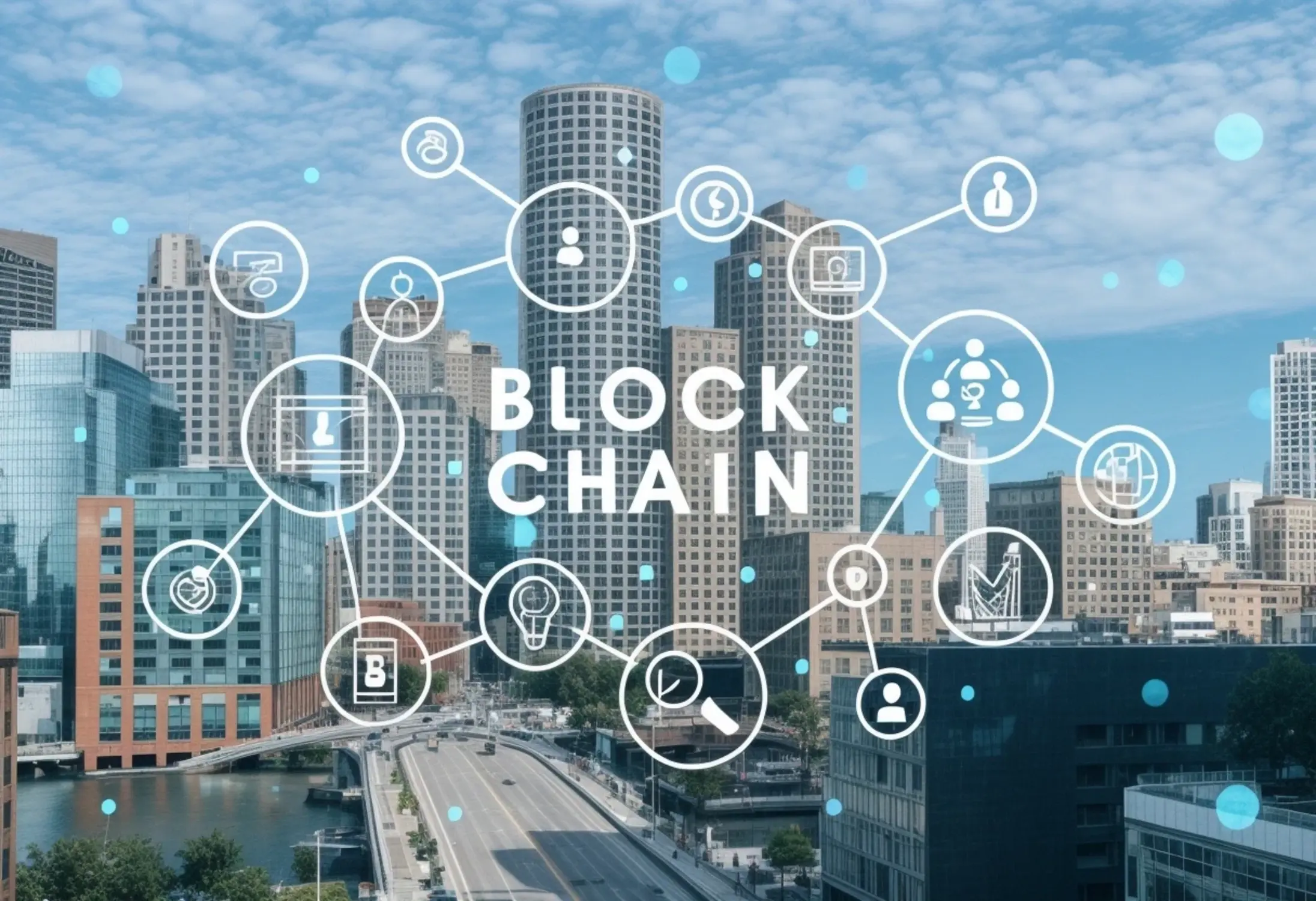
Blockchain economics is set to revolutionize the digital economy, enhancing financial inclusion and accelerating crypto adoption. As we navigate this transformative landscape, it’s crucial for businesses and individuals alike to understand its implications and seize opportunities.
The Importance of Blockchain Economics Today
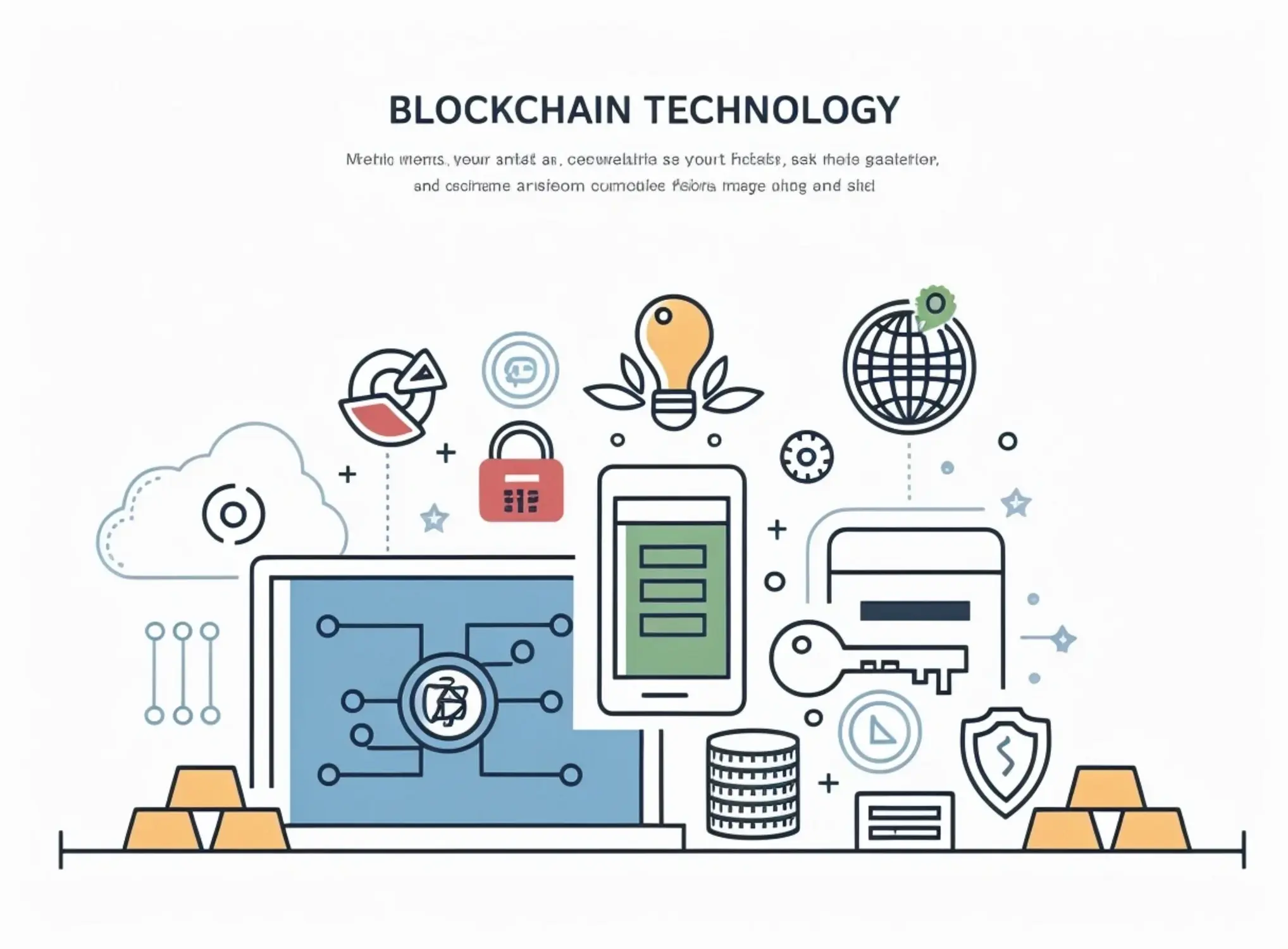
Blockchain economics is redefining existing financial systems by integrating decentralized ledger technology into traditional financial processes. This transformation reshapes how transactions are conducted, recorded, and verified, ultimately increasing efficiency and trust. Understanding the urgency of this change is vital; according to industry experts, the failure to adapt may lead to missed opportunities in this rapidly evolving marketplace.
The impact of blockchain on modern economies is profound, especially in promoting financial inclusion. By eliminating intermediaries and reducing transaction costs, blockchain economics opens doors for underserved populations who have traditionally been excluded from banking services.
Current Landscape of the Digital Economy
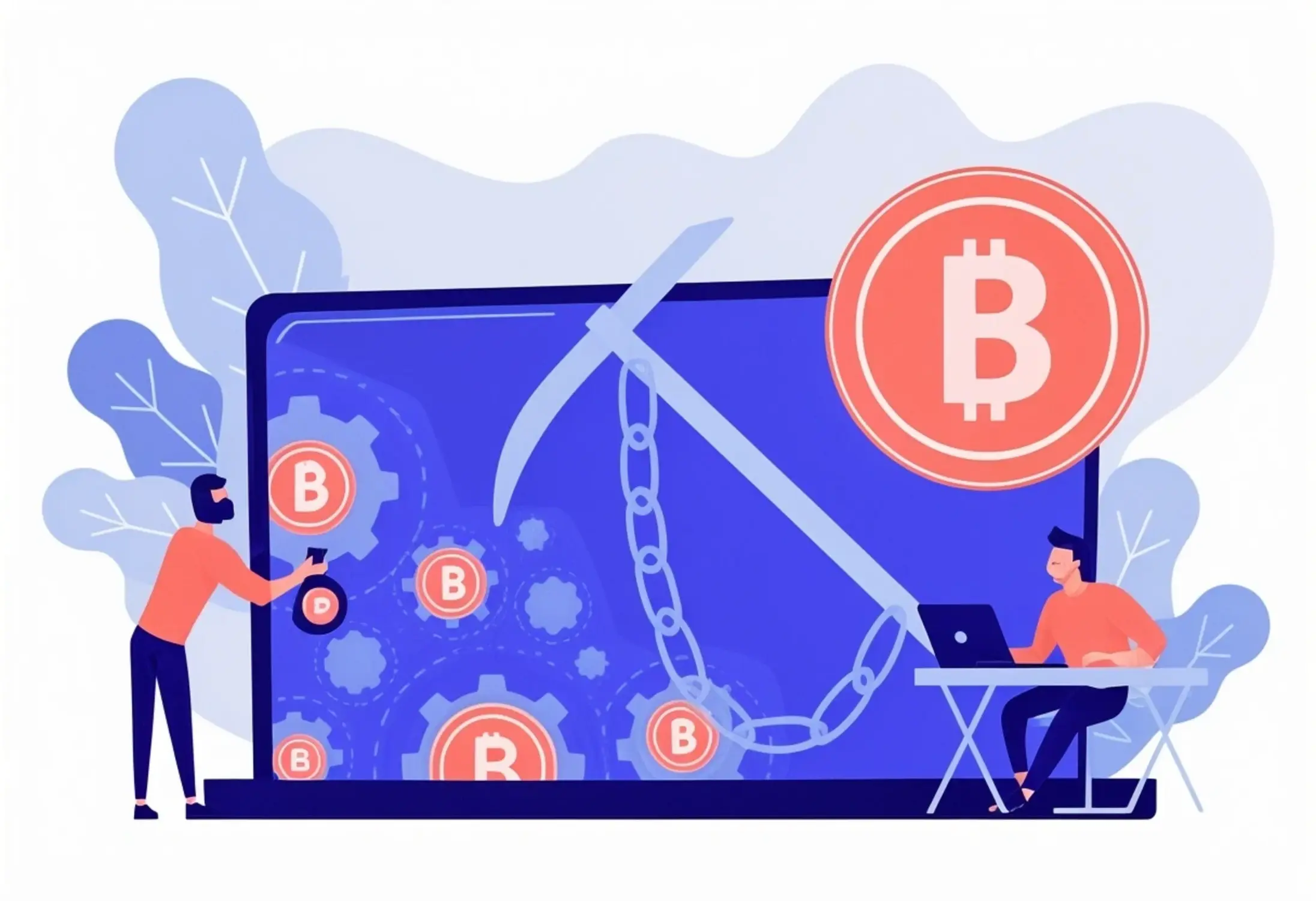
As blockchain technology advances, shifts in the digital economy become increasingly apparent. The rise of digital currencies and the accelerated adoption of cryptocurrencies highlight this transformation. For instance, according to recent reports, crypto adoption has surged globally, with countries exploring central bank digital currencies (CBDCs) as a response to blockchain capabilities. These trends are reshaping the relationship between consumers and financial institutions, putting pressure on traditional finance to innovate and adapt.
How Blockchain Economics Drives Financial Inclusion
Barriers to financial inclusion range from high costs of traditional banking to geographical limitations. Blockchain technology addresses these challenges by providing a decentralized financial infrastructure. For example, blockchain platforms enable peer-to-peer lending, reducing reliance on banks and allowing individuals to access capital directly. Successful case studies demonstrate this potential, showcasing how communities in developing countries utilize blockchain to create financial services that empower them. Additionally, cryptocurrencies offer an accessible method for individuals to acquire capital, driving forward financial inclusion efforts.

The Intersection of Blockchain and Crypto Adoption
The increasing rates of crypto adoption are closely linked to advancements in blockchain technology. Businesses and consumers are beginning to recognize the benefits of decentralized finance (DeFi) platforms, which leverage blockchain for enhanced security and transparency. However, potential regulatory challenges may arise as governments attempt to implement frameworks for these technologies. As initiatives expand, staying informed on regulatory developments will be essential for businesses and users alike.
Implications of Blockchain Economics for Businesses
Businesses stand to benefit significantly from embracing blockchain economics. Opportunities for increased efficiency and transparency abound, particularly in sectors such as supply chain management and finance. However, organizations must also navigate potential challenges, such as integration costs and the need for employee training. Industries that prioritize adoption will likely see disruption as they leverage blockchain to enhance operational capabilities and customer trust.
Steps Towards Embracing Blockchain Technology
For individuals and businesses, practical strategies exist to start integrating blockchain technology. These may include taking online courses to enhance understanding and engaging with industry networks to foster collaboration. Education and awareness play crucial roles in navigating the complexities of blockchain. Moreover, creating crypto-friendly environments calls for collaboration among stakeholders to establish best practices and regulations that support innovation.
Embracing blockchain economics not only enhances business operations but also contributes to a fairer and more inclusive digital economy.