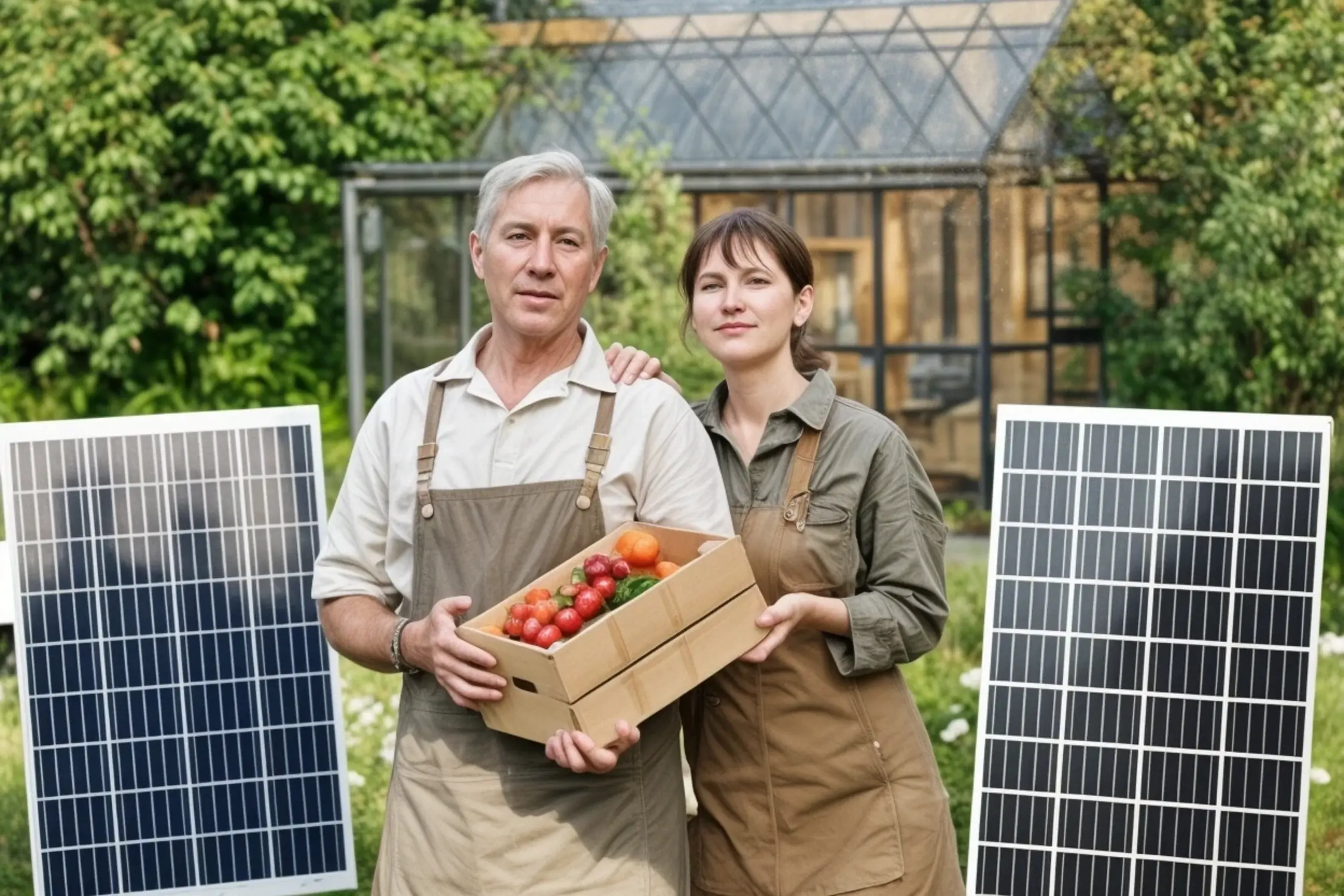
How Farmers Are Using Solar Panels to Boost Economic Benefits
As the world shifts towards sustainable energy sources, solar farming emerges as a crucial player in transforming agricultural practices. Farmers utilizing solar panels can significantly enhance their economic benefits while contributing to environmental sustainability, making it an essential topic to consider right now.
Understanding Solar Farming and Its Importance
Solar farming refers to the practice of integrating solar panels into agricultural settings, allowing farmers to harness renewable energy while maintaining crop production. This innovative approach has gained traction as it aligns with sustainable energy goals by reducing reliance on fossil fuels. It not only promotes energy independence but also contributes to a reduction in greenhouse gas emissions. According to recent reports, solar farming can double the land’s productivity by allowing crops to grow underneath solar arrays.
Incorporating solar panels into farming operations often leads to significant economic growth for farmers. These installations can serve as a secondary revenue stream through energy generation, which can be sold back to the grid. The benefits of solar farming extend beyond mere profitability, enhancing the viability and resilience of agricultural enterprises against fluctuating market conditions and energy prices.
The Economic Benefits of Solar Energy in Agriculture
Adopting solar energy can drastically reduce operational costs for farmers. The initial investment in solar panel systems can be offset over time through reduced electricity bills, which typically represents a substantial share of operational expenses. In fact, many farmers report savings of 50% or more on their energy costs, making solar farms a savvy financial decision in the long term.
Additionally, farmers have the opportunity to create new revenue streams by generating excess energy through solar panels. This energy can be sold to utility companies, enabling farmers to profit from both their crops and their renewable energy production. As highlighted in various studies, the cost-benefit ratio of solar panel investments often leans favorably towards prolonged financial gains, providing the option for additional funding or enhancements in farm operations without additional capital outlay.
Current Trends in Agrivoltaics
Agrivoltaics, which refers to the combined use of land for both agriculture and solar energy production, has seen increasing implementations across various farming setups. For instance, several farms are now integrating solar arrays alongside their existing crops. These setups allow for simultaneous cultivation and energy generation, demonstrating versatility and efficiency in land use.
Successful case studies show that farms utilizing agrivoltaics have not only improved their economic viability but also boosted agricultural output. As industry experts note, advancements in technology are enhancing agrivoltaics; for example, new types of solar panels are designed to minimize shading of crops beneath them while optimizing energy capture, thus improving overall yields.
How Solar Panels Enhance Farm Sustainability
The environmental impact of solar panels on agricultural land is typically positive. By utilizing land for solar energy, farmers can contribute to sustainable practices while meeting energy needs. Moreover, studies indicate that solar installations can improve microclimates, creating shaded areas that can lead to better crop yields in hot weather. According to a study by The Economic Times, integrating livestock farming with solar energy production can also provide dual benefits, allowing for pasture productivity alongside energy generation.
Solar panels not only serve as a productive energy source but also demonstrate the potential for innovation in sustainability within agriculture. They represent an ongoing commitment to environmental stewardship, providing solutions for climate resilience.
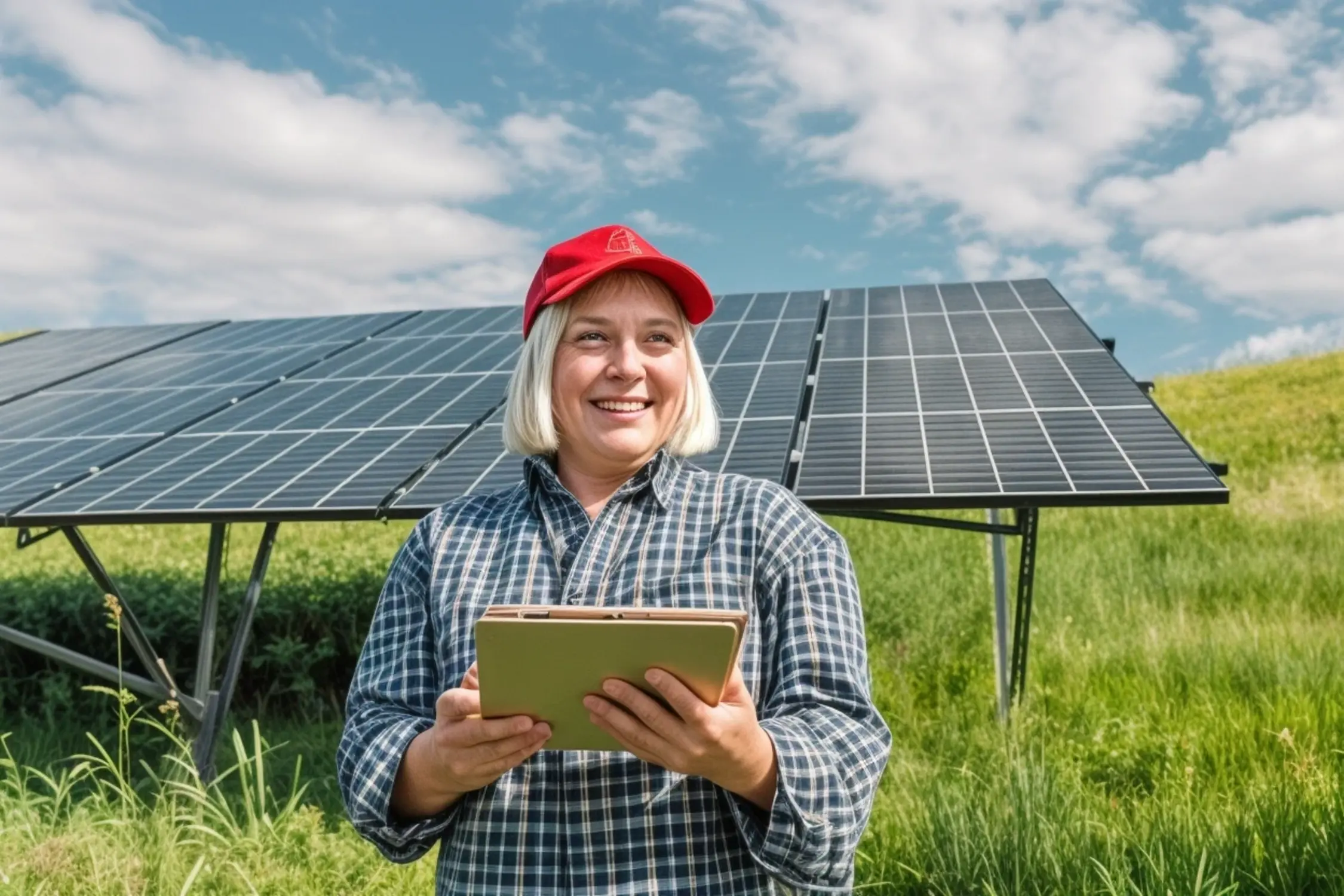
Navigating Financial Incentives and Support for Farmers
Considering the financial implications of solar panels, various governments offer incentives for farmers looking to invest in solar energy. These can include tax credits, rebates, and grants aimed at reducing the financial burden of installation. By doing thorough research, farmers can tap into numerous funding opportunities that have been established to support sustainable energy initiatives.
Additionally, applying for grants related to sustainable practices can further ease the financial transition towards solar energy. Many programs are specifically designed to assist farmers in implementing green technologies, highlighting the growing recognition of solar farming as an essential component of modern agriculture.
Future of Solar Farming and Economic Growth
The growth potential for solar farming is promising as awareness and acceptance of renewable energy continue to expand. Future advancements in technology are likely to enhance the efficiency and integration of solar systems within farming practices, driving economic growth and innovation.
As policies surrounding energy and sustainability evolve, the landscape of solar farming will adapt. Farmers must stay informed about changing regulations which could alter operational requirements or financial support. Keeping abreast of new techniques and technologies will be key in maximizing the benefits of solar farming moving forward. The intersection of agriculture and renewable energy signals an exciting future full of opportunities for farmers willing to embrace change.