The Hidden Truth About Risks in Cryptocurrency Leverage Trading
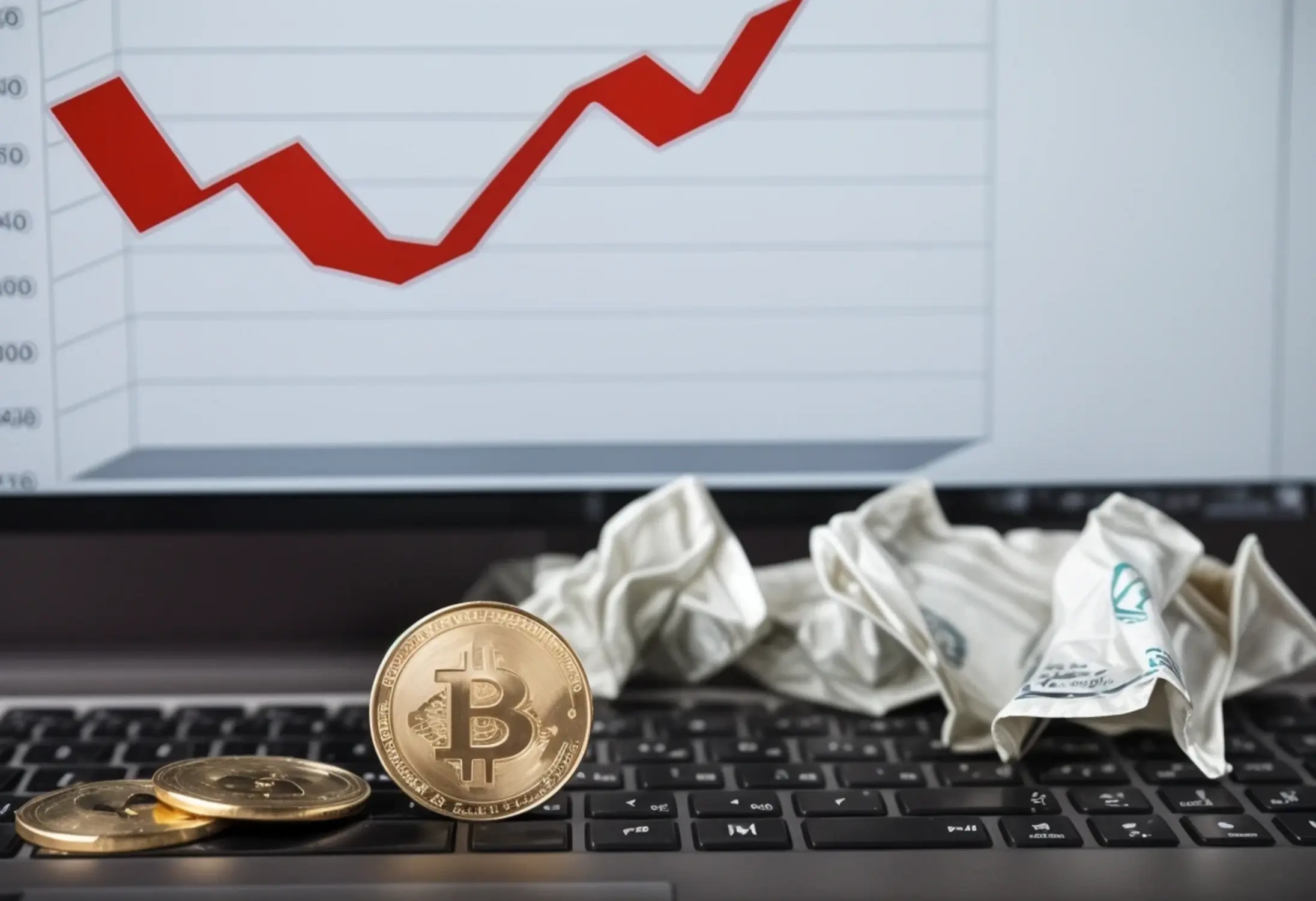
The use of leverage in cryptocurrency trading can create significant opportunities, but it also introduces substantial risks that traders must navigate carefully. Understanding the implications of margin trading is vital, especially in today’s volatile market. Here’s what’s critical for both novice and experienced traders alike.
Importance of Understanding Leverage in Trading
Leverage is a financial tool that allows traders to amplify their trading capacity by borrowing funds. In the realm of cryptocurrency, leverage enables traders to control larger positions with a modest amount of their capital. This can significantly enhance potential profits, but it also magnifies the risks involved. According to IFC Markets, the leverage ratio can reach as high as 1:100, making it crucial for traders to grasp its implications fully.
Understanding how leverage impacts trading outcomes is paramount. Using high leverage might lead to substantial gains when the market favors a trader’s position; however, it poses the risk of severe losses in the event of sudden market fluctuations. Protection measures like stop-loss orders become essential tools for managing these risks effectively. Regularly monitoring one’s positions can also bolster traders’ chances of success.
Current Landscape of Cryptocurrency Leverage
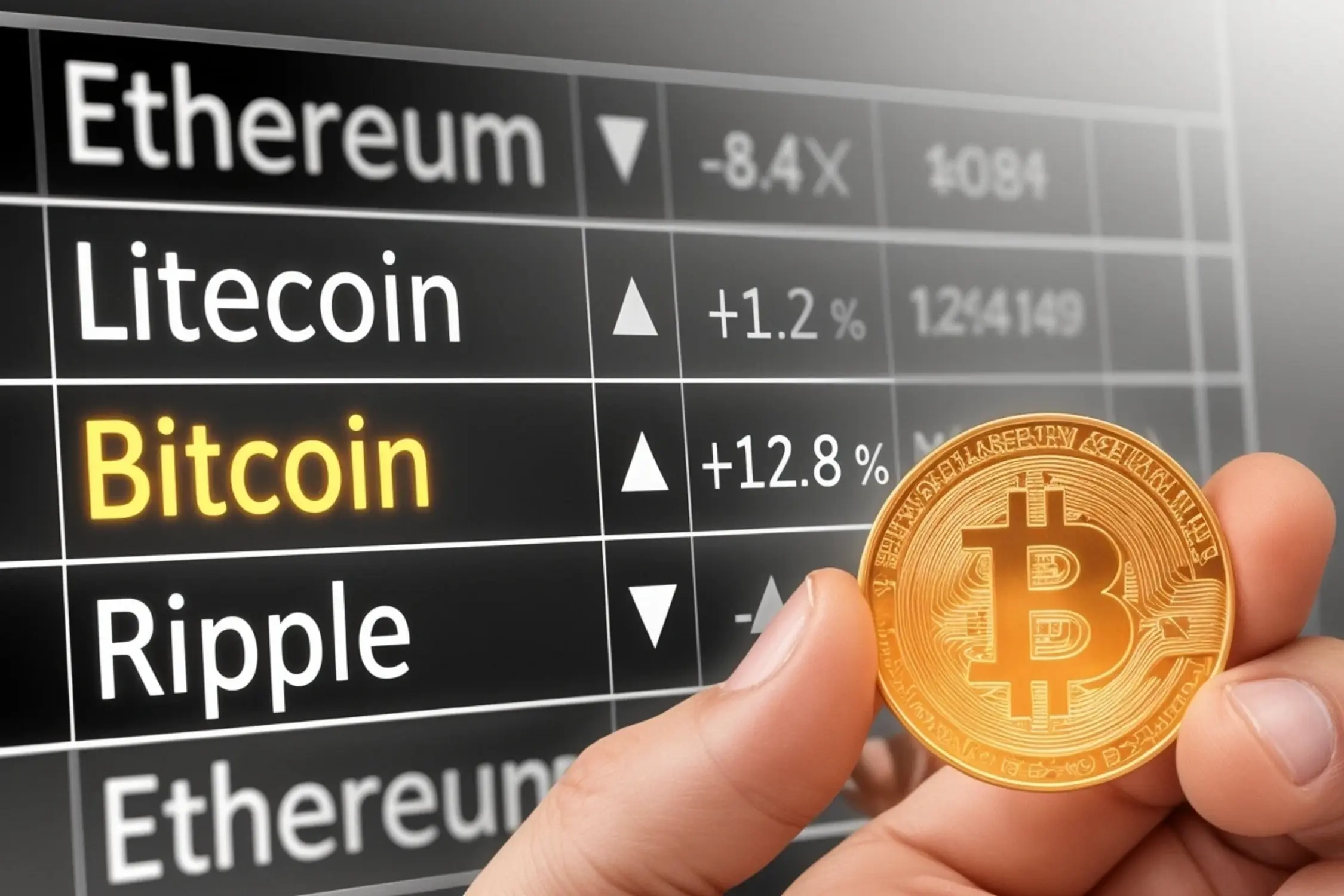
The cryptocurrency market has seen a significant rise in leverage trading options. In 2023, statistics revealed that over 70% of trades involve some level of leverage, highlighting the growing popularity of this trading method among investors. With leading cryptocurrencies like Bitcoin and Ethereum, traders often find themselves opting for leveraged trades to increase their exposure to market changes. Recent trends show that the market capitalization of Bitcoin stands above $846 billion, while Ethereum’s market cap surpasses $361 billion, as stated by various industry reports.
Moreover, platforms such as Binance and OSL are offering increasingly sophisticated leveraged trading features, attracting both seasoned and novice traders. Such developments underline the necessity for education on the risks involved in margin trading. By understanding the ins and outs of the cryptocurrency landscape, traders can make informed decisions in their trading strategies.
The Risks Associated with High Leverage
While leveraging can yield potential profits, it invariably comes with heightened risks. One of the most significant dangers of using high leverage is forced liquidation in volatile markets. According to OSL, a mere 10% drop in Bitcoin’s price could lead to a total loss of an investor’s capital under a 10x leverage scenario, wreaking havoc on their financial standings.
The twofold nature of leverage — its power to enhance profits and losses — makes risk awareness crucial. Studies and analyses illustrate that many traders underestimate the potential for catastrophic losses, often resulting in substantial financial repercussions. Emphasizing the importance of understanding margin requirements and the potential for market shifts can aid in navigating these risks responsibly.
Case Studies: Success and Failure with Leverage
Real-life examples of traders utilizing leverage reveal a broad spectrum of outcomes. Many have experienced significant success, amplified by strategic use of margin trading. For instance, some traders achieved impressive returns by using leverage to capitalize on rapid price increases of cryptocurrencies like Ethereum and Bitcoin. On the flip side, cautionary tales abound where traders faced substantial losses due to market downturns and over-leveraged positions.
Analyzing these anecdotes can yield valuable lessons about the importance of thorough research and preparation. Successful traders often commend the combination of technical analysis and risk management strategies as crucial components of their workflows. Conversely, those who suffered losses typically highlight the perils of emotional trading and the neglect of prudent risk controls.
Strategies for Managing Risks in Margin Trading
For those engaging in margin trading, having a robust risk management strategy is non-negotiable. Here are essential tips for mitigating risks:
– Utilize Stop-Loss Orders: Automatically exiting trades at predetermined levels can prevent catastrophic losses.
– Monitor Positions Regularly: Keeping an eye on market trends and position performance helps to react swiftly to volatility.
– Educate Yourself: Knowledge about market dynamics, trends, and risk assessment tools can build confidence and improve decision-making.
Incorporating these strategies fosters a disciplined approach to trading, focusing on preserving capital and enhancing trading longevity.
Future Trends in Cryptocurrency Trading Practices
As the cryptocurrency market evolves, the role of leverage in trading practices will likely adjust to new regulatory environments and market dynamics. Speculations suggest that potential regulatory changes may introduce stricter controls on leveraged trades, aiming to protect retail investors from excessive risks. Educating traders about these changes will be important as the market matures.
Furthermore, increasing attention towards comprehensive trader education can aid in promoting awareness around the responsible use of leverage. Platforms are becoming more informed about tools to enhance traders’ understanding, creating a more sustainable trading ecosystem.
Building a Resilient Trading Strategy
Developing personalized trading strategies is indispensable for handling leverage-related risks effectively. Emphasizing ongoing education and market research fosters adaptable strategies that can withstand market fluctuations. Additionally, maintaining discipline and emotional control is critical; impulsive decisions often exacerbate trading losses.
By approaching leverage with a well-defined plan, traders can aim to harness its potential responsibly, mitigating risks while pursuing profits in the ever-evolving cryptocurrency realm. Through education, planning, and emotional regulation, both novice and experienced traders can build a resilient strategy that stands the test of time.