Why the Hype Around Blockchain is About to Change Finance Forever
Blockchain technology is reshaping the financial landscape, increasing transparency, security, and efficiency. With investor sentiment shifting and cryptocurrency trends evolving, understanding the hype surrounding this revolution is crucial for leveraging opportunities now.
Understanding the Hype in Financial Technology
Hype around blockchain typically stems from its transformative potential. As the financial sector grapples with persistent issues like fraud and inefficiency, blockchain offers solutions to enhance security and streamline operations. For example, the decentralized nature of blockchain can reduce counterparty risk and increase transactional accuracy, making it an appealing alternative to traditional finance models.
Market sentiments play a significant role in how investors perceive blockchain. As noted in various reports, the hype often triggers waves of enthusiasm that can lead to inflated valuations before reality sets in (Navigating the Cryptocurrency Wave). Moreover, investors are increasingly aware of the tangible benefits blockchain can deliver, which has further entrenched its reputation as a disruptive force in finance.
The potential for blockchain to disrupt traditional finance cannot be overstated. Firms are starting to adopt blockchain not just to enhance operations but also to redefine entire business models, straddling both technology and finance industries. This shift is evidenced by the emergence of decentralized finance (DeFi), which enables users to engage with financial services without traditional intermediaries, marking a significant paradigm change.
The Role of Investor Sentiment in Cryptocurrency Trends
Investor sentiment significantly influences cryptocurrency trends and investment decisions. Often swayed by market emotions, investors can either propel a cryptocurrency’s price skywards or contribute to its steep decline. The two phases of sentiment that many investors experience—optimism during price surges and dread during sharp corrections—illustrate the volatility inherent to the crypto marketplace.
Market confidence directly impacts cryptocurrency prices. For instance, according to Investopedia, the fluctuation of prices often correlates with prevailing investor sentiment, as excitement about potential profits can drive prices higher, while fear can trigger sell-offs. Real-world examples highlight this relationship: the rise of Bitcoin in late 2020 was largely driven by institutional interest and FOMO (fear of missing out), underscoring how emotional dynamics shape market trends.
Current Innovations in Blockchain Utility
Recent advancements in blockchain are not solely limited to cryptocurrencies. The utility of blockchain is gaining recognition across various sectors including supply chain management, healthcare, and digital identity verification. Companies are leveraging blockchain to enhance transparency, traceability, and engagement, driving substantial interest and adoption of the technology.
For example, supply chain firms are utilizing blockchain to track products from origin to consumer, thus ensuring authenticity. This adds a layer of trust and efficiency that is lacking in traditional systems. In other sectors, developments such as smart contracts—self-executing contracts with the terms directly written into code—demonstrate how utility is driving the adoption of blockchain technology (Zühlke).
The Impact of Agentic AI on Finance and Blockchain
The convergence of blockchain and artificial intelligence (AI) marks a notable trend in the ongoing evolution of finance. Integrating AI with blockchain technology opens new avenues for enhancing operational efficiencies and decision-making processes. For instance, AI can analyze vast datasets on blockchain to inform trading strategies or identify fraudulent activities more effectively.
As organizations increasingly adopt agentic AI, the importance of aligning these technologies with business strategy becomes critical. Notably, according to industry leaders, success in this arena will not solely hinge on technology; rather, it will depend on restructured business frameworks and governance (Zühlke). This integration can optimize workflows, transform customer interactions, and redefine competitive strategies in finance.
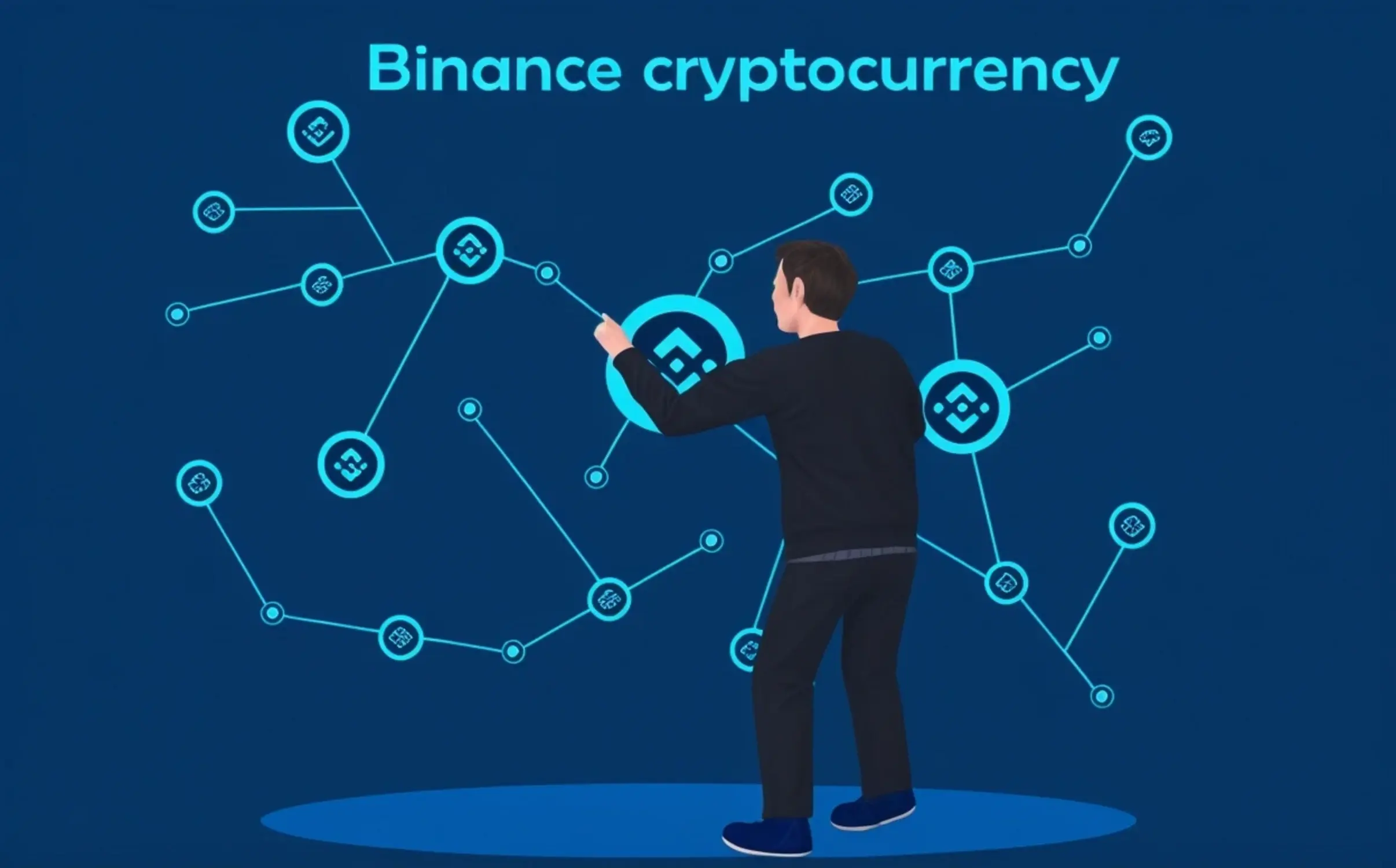
Real-World Applications Transforming Blockchain Perception
Public perception of blockchain technology is evolving, particularly as its applications extend beyond cryptocurrency. Real-world implementations demonstrate the value of blockchain in various industries, showcasing its versatility and relevance. For instance, digital assets are reshaping investment landscapes by providing alternative avenues for capital flows and wealth management.
Various sectors are piloting blockchain to mitigate fraud, improve record keeping, and enhance transactional security. In finance, tools leveraging smart contracts facilitate complex transactions without the need for intermediaries. These tangible applications counter skepticism and paint a more favorable picture of blockchain’s capabilities beyond mere currency speculation.
Benefits of Engaging with Blockchain Currently
In today’s rapidly changing financial landscape, engaging with blockchain technology presents numerous advantages. To capitalize on these benefits, individuals and businesses should explore actionable steps that include continuous education about blockchain and staying informed about evolving trends in the industry. Knowing how blockchain operates is fundamental in harnessing its potential for future finance investments.
Moreover, blockchain’s role in enhancing transaction security and transparency addresses growing concerns around data privacy—an important consideration in an era defined by digital exchanges. Those who proactively familiarize themselves with blockchain trends can position themselves advantageously to navigate compliance and strategy in the financial sector.
Future Opportunities with Blockchain and Cryptocurrency
Staying updated with the evolving trends in blockchain and cryptocurrency is essential. As this technology matures, further developments in areas such as regulatory frameworks and integration with other digital technologies will become far more prevalent. The importance of remaining proactive in these discussions will determine the strategies adopted by investors and businesses alike.
Particularly, the growth of decentralized finance may offer unique opportunities that traditional financial systems cannot match. Understanding these trends can pave the way for innovative investment strategies and collaborations, ultimately defining the next era of finance as blockchain technology continues its ascent.