Why Bitcoin’s Volatility Is Set to Surge Amid Iran’s Tensions
With rising geopolitical tensions, particularly surrounding the Iran conflict, Bitcoin’s volatility is poised to increase significantly. Understanding how these events impact the crypto market is essential for investors and enthusiasts alike.
Understanding the Geopolitical Landscape
The Iran conflict has escalated recently, with various developments threatening regional stability. These tensions often resonate beyond borders, particularly affecting financial markets, including cryptocurrencies. Historically, geopolitical events have catalyzed substantial shifts in market sentiment, influencing investors’ perceptions of risk. For instance, Iran plays a crucial role in global oil production, which can trigger broader economic ramifications, creating a ripple effect on Bitcoin’s volatility. According to a recent analysis, rising tensions typically lead to increased uncertainty in traditional markets, often prompting investors to seek refuge in alternative assets, such as Bitcoin.
The Current State of Bitcoin Volatility
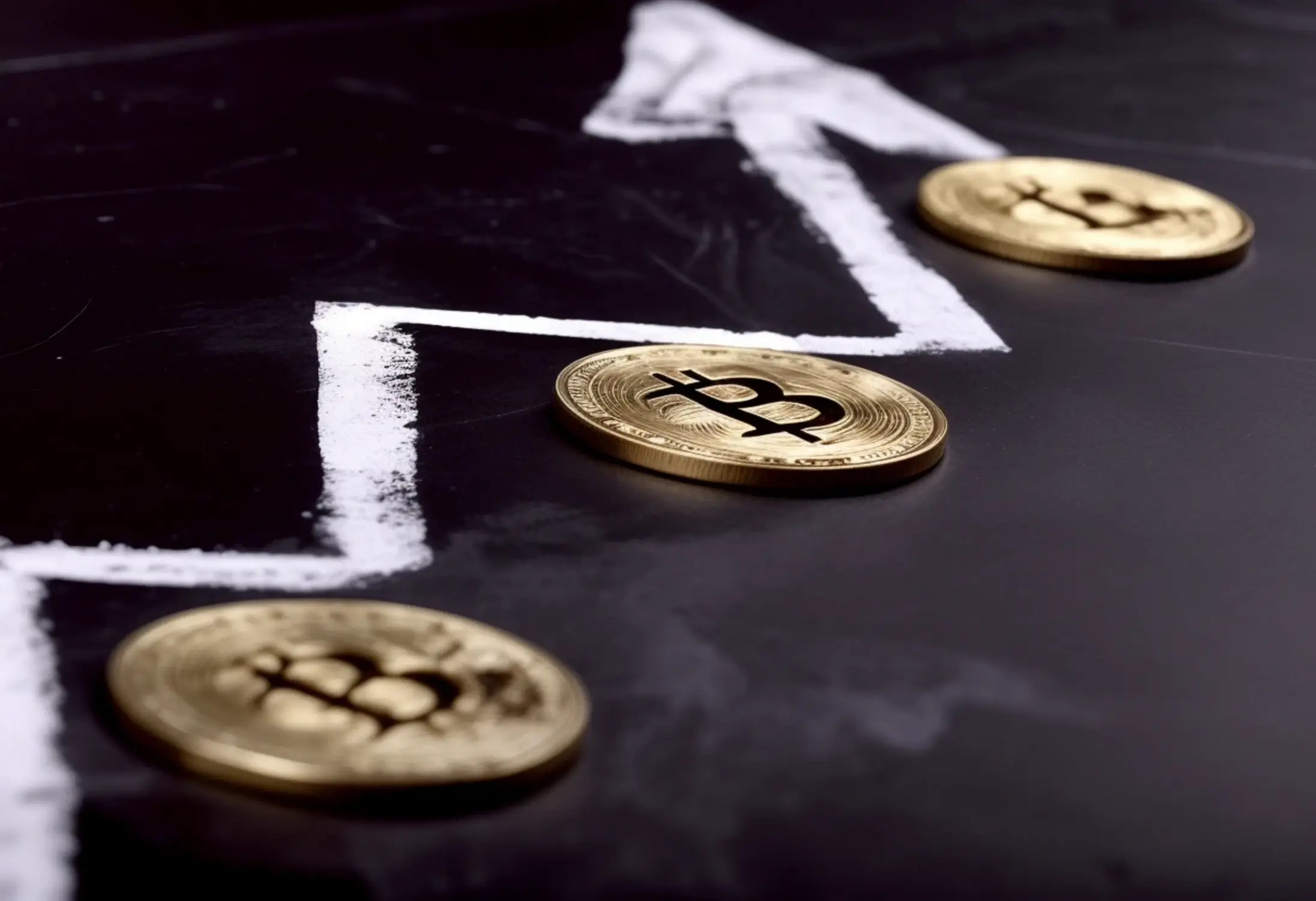
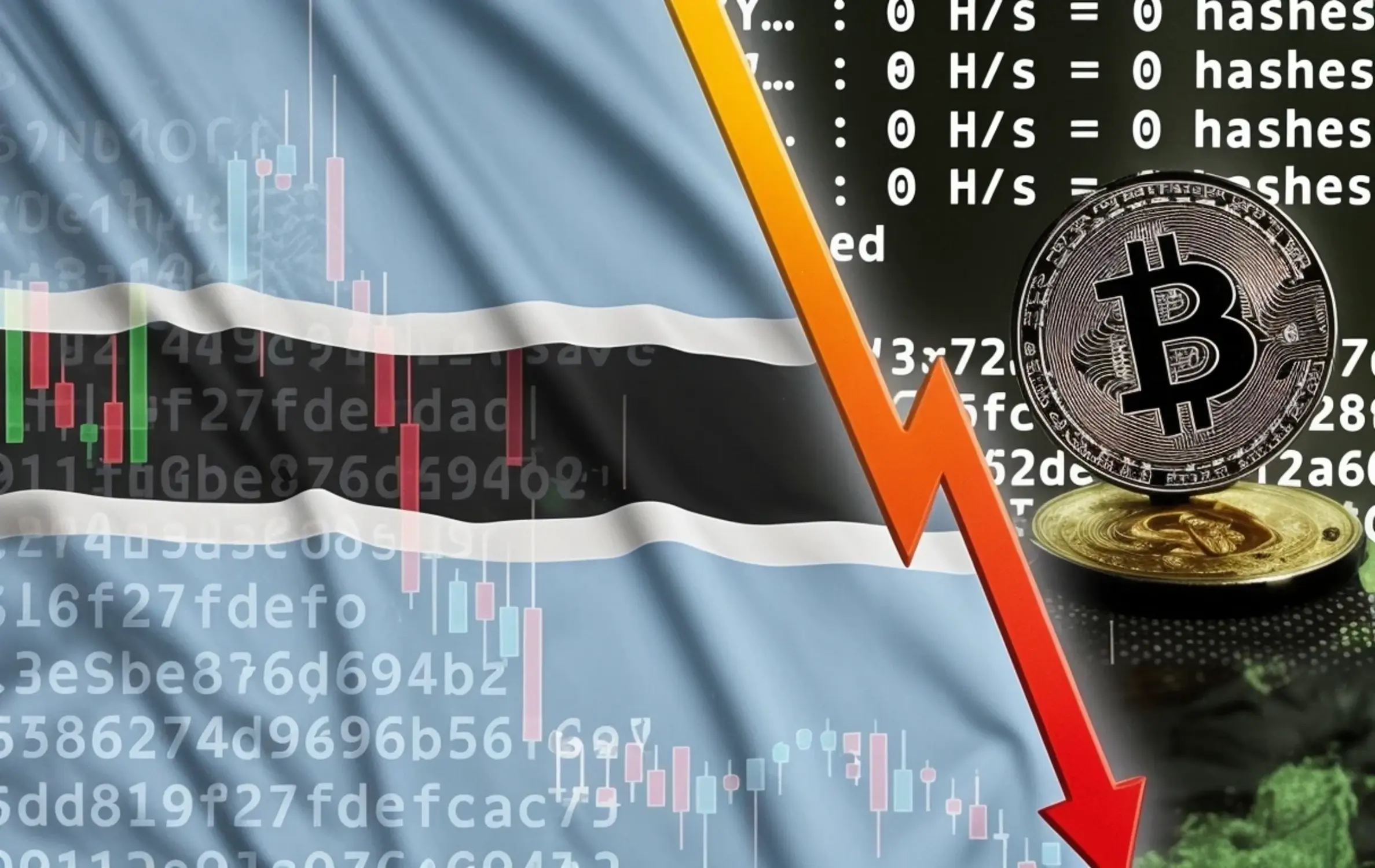
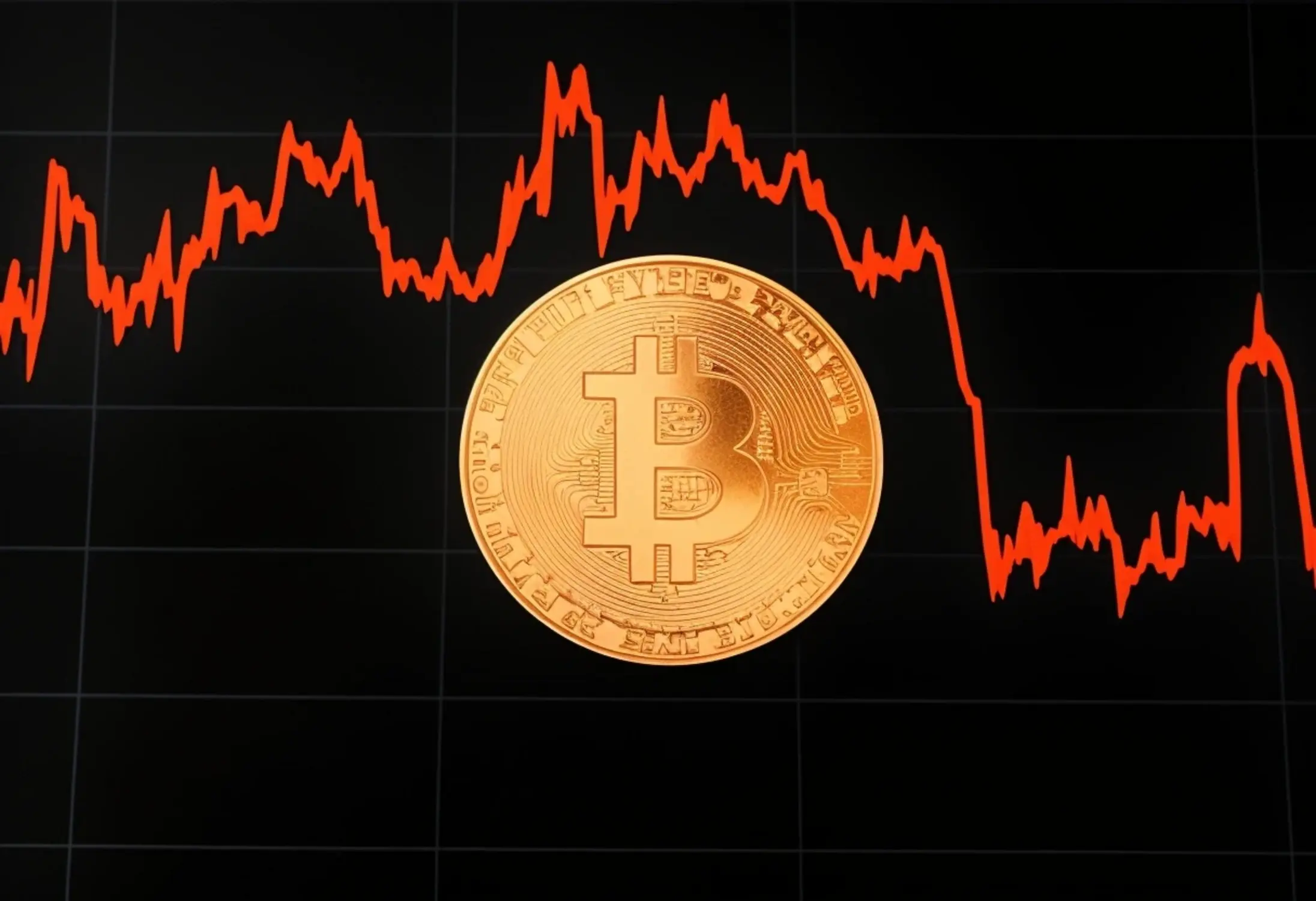
Bitcoin’s price movements have been significantly impacted by developments in Iran. In recent weeks, spikes in volatility have mirrored news related to the conflict, as traders respond to heightened geopolitical risks. The historical context underscores that Bitcoin often experiences price fluctuations during crises. For example, amid escalating tensions, traders react swiftly, leading to rapid buying or selling. The crypto market reflects investor sentiment, where fear and uncertainty can lead to erratic behavior. As outlined in reports, Bitcoin recently faced notable declines as the situation worsened, with prices dropping below $68,000. This pattern illustrates that geopolitical crises can heavily influence Bitcoin’s market dynamics.
Crypto Market Response to Iran’s Tensions
The crypto market’s reaction to news regarding the Iranian conflict presents intriguing insights. Typically, during periods of escalating tensions, trading volumes in Bitcoin surge. Investors often turn to Bitcoin as a hedge against instability in traditional financial systems. Notably, during such times, investor behavior can shift dramatically—buying ramps up as individuals seek to secure their assets against traditional volatility. Recent reports indicate that this dynamic was evident as Bitcoin trading volumes spiked as news broke about developments in Iran’s geopolitical landscape. This correlation between geopolitical news and Bitcoin’s price fluctuations highlights the asset’s increasing visibility as a tool for financial maneuvers in times of crisis.
The Effect of Oil Prices on Bitcoin
There is a notable relationship between rising oil prices and Bitcoin’s performance. As geopolitical tensions escalate, oil prices typically rise, impacting broader economic conditions. This phenomenon occurs because energy markets are directly linked to global political stability, and shifts in oil prices can influence inflation expectations, which in turn affects Bitcoin’s appeal. For instance, as reported, Brent crude oil prices increased significantly amid the Iranian conflict, which can lead to inflationary pressures that might impact Bitcoin valuations. Historical trends show that when oil prices spike, Bitcoin often follows suit as investors adjust their expectations for future economic conditions. Thus, monitoring oil prices becomes critical for predicting Bitcoin’s volatility in such instances.
Insights from Expert Predictions
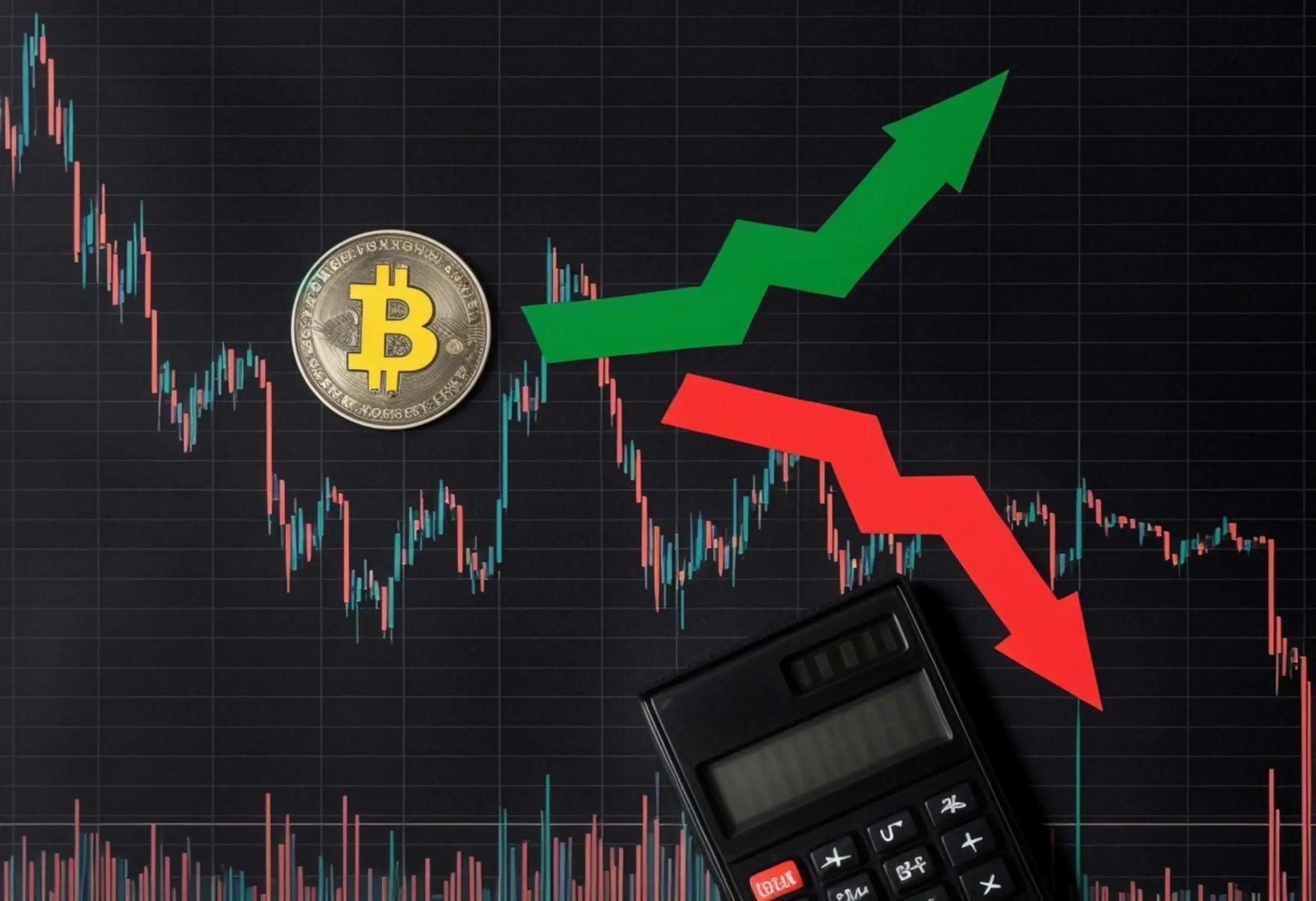
Experts have weighed in on the implications of Iran’s tensions for Bitcoin’s future volatility. Various analysts suggest that Bitcoin is likely to experience increased price swings as geopolitical tensions continue. For example, Oluwapelumi Adejumo emphasizes that events in Iran can significantly propel Bitcoin’s volatility due to their effect on liquidity and market behavior. According to analysis, the U.S. Federal Reserve’s recent liquidity injections could further amplify market movements, making traders wary. With unpredictable inflation and interest rate scenarios influenced by such geopolitical events, analysts forecast a tumultuous period for Bitcoin investors. As geopolitical strains persist, experts urge cautious monitoring of market signals and broader economic indicators.
Preparing for Increased Volatility
As the potential for increased Bitcoin volatility rises amid ongoing geopolitical tensions, investors must adopt strategic measures. Key steps include:
– Diversification: Spreading investments across various asset classes can mitigate risks associated with Bitcoin’s volatility.
– Market Research: Staying informed about geopolitical developments and their potential economic impact enables more informed decision-making.
– Responsive Trading: Being agile and adaptable in trading strategies is crucial during unpredictable market shifts.
– Risk Management: Employing stop-loss orders and other risk management techniques can help protect investments from sudden downturns.
In conclusion, as geopolitical tensions surrounding Iran escalate, Bitcoin is likely to face increased volatility. Investors should prepare by implementing strategic measures and remaining aware of market changes driven by these geopolitical events.