The Hidden Truth About Bitcoin as a Safe Haven Asset
In a world increasingly fraught with economic uncertainty, Bitcoin has emerged as a potential safe haven asset. Understanding its role amidst crypto market volatility and the dominance of the US dollar is crucial for investors looking to protect their wealth.
How Bitcoin Compares to Traditional Safe Havens
Bitcoin shares several characteristics with traditional safe haven assets like gold. First, it is a finite resource, produced through complex mining algorithms. Just like gold, its scarcity can lead to increased value over time. Furthermore, both assets tend to retain their value during economic turmoil, making them appealing to investors seeking stability. According to recent reports, Bitcoin can serve as a hedge against fluctuations in fiat currencies, particularly the US dollar.
Investor sentiment plays a significant role in how Bitcoin is perceived as a safe haven. In times of global crisis, traditional assets like gold generally see an uptick in demand. However, Bitcoin’s increasing acceptance among institutional investors suggests a shift in perception. While challenges remain, it is crucial to compare Bitcoin’s historical performance against market trends and investor attitudes toward traditional safe havens.
Crypto Market Volatility and Its Implications
Volatility within the crypto market has a direct impact on investor confidence in Bitcoin as a safe haven. Many investors are deterred by sharp price swings, viewing them as a sign of instability. For instance, even a minor favorable or unfavorable economic report can lead to significant price fluctuations in Bitcoin. Recently, the crypto market witnessed heightened volatility when major economic indicators were announced, causing investor reactions to vary dramatically.
Despite these challenges, some analysts believe that the increased volatility could lead to greater mainstream acceptance. As Bitcoin matures, it may present a greater opportunity for adoption as part of a diversified portfolio. As noted in Kitco’s analysis, market behaviors in response to macroeconomic news can influence investor strategies significantly.
The Role of the US Dollar in Bitcoin Investments
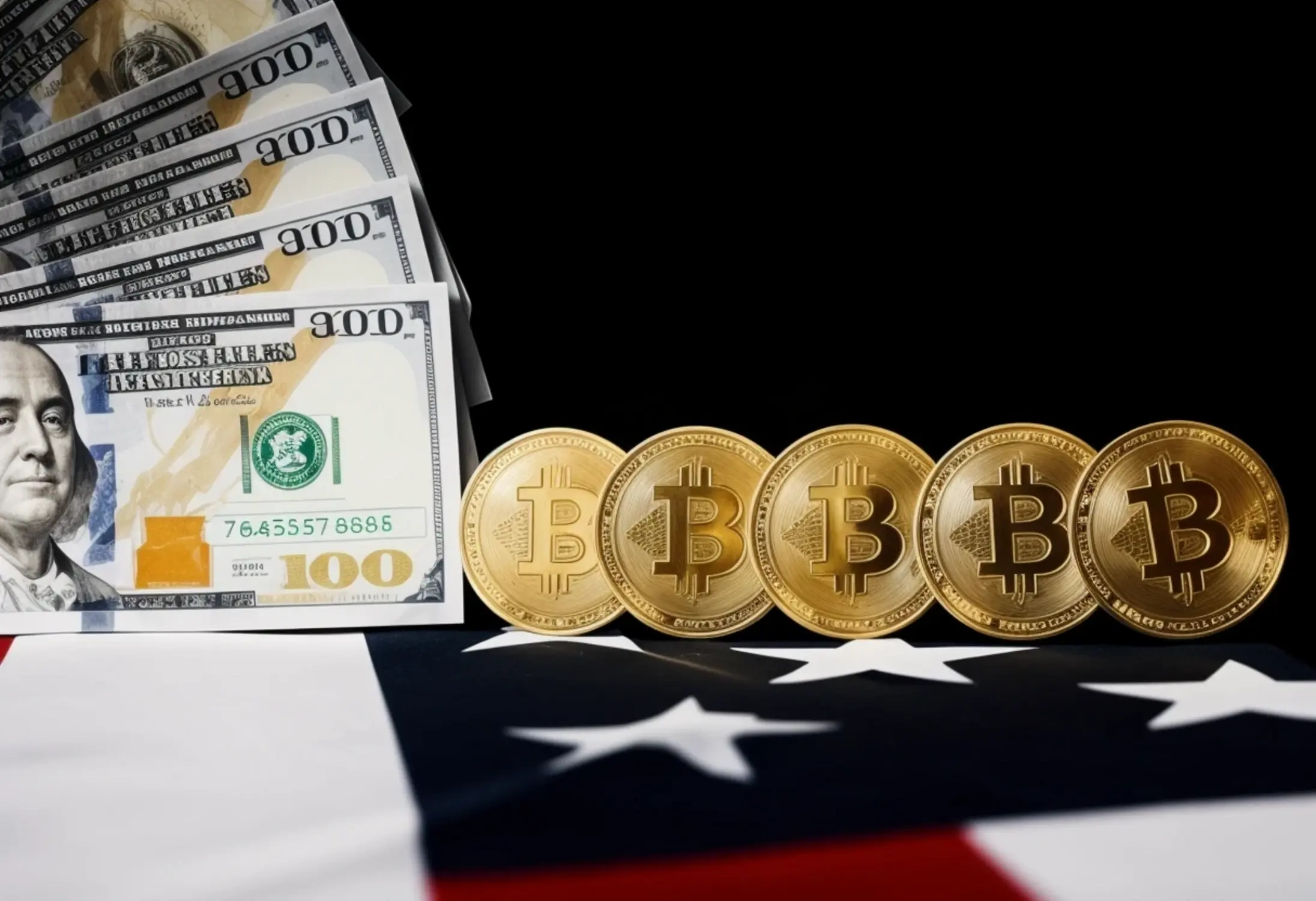
The interrelationship between Bitcoin and the US dollar serves as a critical factor for investors. A strong dollar typically indicates lower demand for alternative assets like Bitcoin and gold, as investors may feel less need to seek safety in these alternatives. Conversely, if the dollar weakens, Bitcoin could gain more appeal as investors look for places to preserve wealth.
Recent fluctuations in the dollar’s value have been tied to significant global events. As the International Monetary Fund’s data suggests, the dollar comprises a large percentage of global reserves, which underscores its influence on crypto valuations. Investors often adjust their strategies based on dollar stability, thus reinforcing Bitcoin’s role as a potential hedge against currency fluctuations.
Insights from Recent Market Movements
Recent economic events have profoundly influenced Bitcoin’s performance. Major announcements, such as a rise in GDP growth rates or changes in employment figures, can sway market behavior. For example, when the U.S. economic growth rates were reported to have risen by 4.4% in the last quarter, the price of Bitcoin reacted accordingly, reflecting the interconnectedness of various financial markets. Notably, these movements also indicate how Bitcoin might react in future economic shifts.
Market analysts have pointed out that developments in the crypto sector will depend heavily on economic stability in the U.S. As Bitcoin’s market behavior becomes increasingly coordinated with traditional economic reports, its future implications as a safe haven asset will likely come under closer scrutiny.

The Growing Acceptance of Bitcoin in the Crypto Economy
Bitcoin’s acceptance as a legitimate asset class has been gradually increasing, particularly among institutional investors. Major firms now consider including Bitcoin in their portfolios as part of their diversification strategies. For instance, one noteworthy development includes Ramp Swaps (Ireland) Limited, which was licensed as a Crypto Asset Service Provider in the EU. This move signifies growing regulatory support for Bitcoin, aiding its penetration into mainstream finance (source).
Additionally, as the regulatory landscape adapts, Bitcoin may find itself integrated into various financial infrastructures. This shift could bolster its position not only as an investment vehicle but also as a currency for transactions within the crypto economy.
Strategies for Utilizing Bitcoin as a Safe Haven
Investors looking to leverage Bitcoin as a safe haven should consider several actionable steps. First, understanding market volatility is essential for effective risk management. For example, using stop-loss orders can help mitigate losses during market downturns. Moreover, diversifying portfolios to include Bitcoin alongside traditional assets like stocks and bonds can provide a balanced approach to wealth preservation.
To further bolster security, conduct thorough research before entering or expanding positions in Bitcoin. Keeping abreast of market conditions, regulatory developments, and economic indicators can significantly enhance decision-making processes. Engaging with the crypto community, utilizing educational resources, and following expert analyses will help investors navigate this evolving landscape successfully.
In summary, while uncertainties persist regarding Bitcoin’s status as a safe haven asset, its growing acceptance and the interplay with traditional economic factors suggest a complex relationship that warrants careful monitoring.