The Hidden Truth About Bitcoin as a Safe-Haven Asset
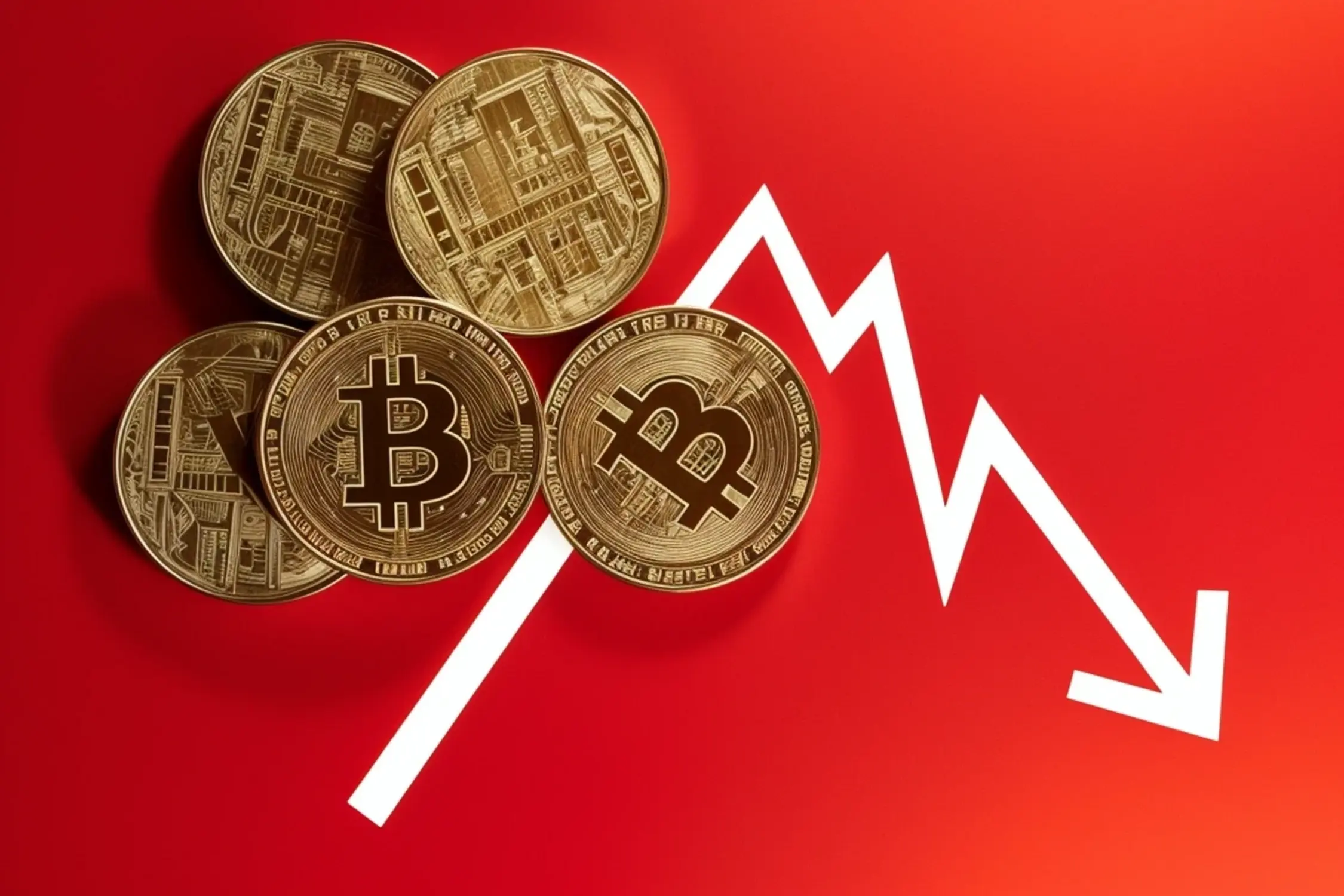
As geopolitical tensions and economic conditions fluctuate, the role of Bitcoin as a safe-haven asset is being scrutinized. With its value in decline, understanding Bitcoin’s true nature is crucial for investors today.
Bitcoin’s Evolving Narrative in Current Markets
Bitcoin’s narrative as a safe-haven asset is rapidly shifting. Once perceived as a gold equivalent, its value has been influenced by a volatile market and external economic factors. Analysts now warn that Bitcoin’s safe-haven appeal is weakening amidst increasing skepticism. For instance, according to Bloomberg, while Bitcoin was expected to retain value in unstable times, it increasingly mirrors the behavior of riskier assets rather than traditional safe havens.
Market trends, including inflation rates, fluctuating interest rates, and geopolitical events, are continuously redefining Bitcoin’s role. As Ran Neuner observes, despite a weak US Dollar, Bitcoin has faced significant value declines, prompting fears about its stability as an investment vehicle. This evolving narrative leads to questions about what constitutes a true safe haven.
The Economic Impact of Geopolitical Tensions
Geopolitical tensions significantly influence the cryptocurrency market, creating fluctuations in Bitcoin’s value. Unexpected global events can trigger sharp shifts in investor sentiment and market behavior. During recent crises, Bitcoin’s performance has failed to surpass traditional assets like gold, which has long been regarded as a reliable store of value.
For instance, during heightened geopolitical crises, gold often sees increased demand, serving as a hedge against uncertainty. In contrast, Bitcoin has not consistently demonstrated this resilience. As noted by Michael Burry, “BTC has failed as a safe haven like gold and behaves more like a volatile stock tied to the S&P 500.” This sentiment emphasizes the growing perception that Bitcoin is losing its edge as a safe-haven asset in turbulent economic times.
Current State of Bitcoin Among Investors
In recent years, Bitcoin has experienced notable value trends, illustrating its volatile nature. As investors continuously analyze Bitcoin compared to traditional assets, a clear picture of its place in portfolios emerges. While Bitcoin once attracted those seeking alternatives to traditional values, its current trajectory has been marked by uncertainty.
Investment in Bitcoin has not only fluctuated over time but has also shown a correlation to broader market movements. Recent statistics indicate that in times of crisis, investors began to favor commodities like gold and government bonds over cryptocurrencies. The decline in Bitcoin’s value juxtaposed with growing demand for gold highlights a pivotal shift in investor behavior during turbulent times.
Challenges Facing Bitcoin’s Safe-Haven Status
Several challenges are undermining Bitcoin’s status as a reliable safe-haven asset. Its decline in value can be attributed to various factors, including regulatory uncertainty and market volatility. Financial experts continue to debate the implications of these downturns on Bitcoin’s future. For example, Willy Woo has pointed out that Bitcoin behaves differently under various market conditions, further complicating its role as a safe haven.
Experts suggest that these fluctuations reveal Bitcoin’s inability to function consistently as a store of value. Analysts argue that Bitcoin’s recent track record—particularly its resemblance to equities during market turmoil—casts doubt on its reliability. As Burry points out, the capital that was expected to flow into Bitcoin during crises has shifted instead towards gold, showcasing Bitcoin’s inconsistencies when compared to time-proven safe havens.

Potential Shift Towards AI-Driven Finance
The rise of technological advancements, particularly artificial intelligence, may redefine how cryptocurrencies are approached in the financial ecosystem. Many predict that AI could significantly reshape crypto trading dynamics, offering new tools for analysis and management of assets. The potential for AI-driven finance may lead to more effective strategies for navigating the complexities of cryptocurrency investment.
This evolution hints at a future that prioritizes advanced technical capabilities, likely impacting Bitcoin’s role in the market. Increased data processing power may produce better predictions and market insights, thereby affecting investor decisions. As technology continues to shape finance, Bitcoin’s positioning will require adaptation to these new innovations to remain relevant.
Practical Steps for Navigating the Crypto Landscape
Investors concerned about Bitcoin’s stability should consider actionable strategies for navigating this volatile landscape. First, diversifying cryptocurrency investments can mitigate risk. Allocating resources across various digital assets may enhance portfolio resilience.
Moreover, it’s crucial to remain informed about market signals. Regularly analyzing economic indicators, geopolitical issues, and emerging technologies will help in making qualified investment decisions. As the cryptocurrency market evolves, a vigilant approach will equip investors to respond to shifts effectively. By understanding the nuances of Bitcoin’s market dynamics—alongside strategies to adapt—investors can better navigate the complexities of cryptocurrency investment in the current economic climate.