What No One Tells You About Bitcoin’s Volatile Response to Macroeconomics
Understanding Bitcoin’s economic impact is crucial amid fluctuating macroeconomic conditions. With recent market shifts, Bitcoin’s price response can present both risks and opportunities, urging investors and analysts to adapt their strategies. Here’s why you should pay attention right now.
Current Role of Bitcoin in the Macro Economy
Bitcoin is increasingly viewed as an alternative asset, especially during economic upheavals. Many investors turn to Bitcoin, believing it can provide a hedge against economic instability. As a result, Bitcoin’s demand often correlates with various economic indicators, such as inflation rates and employment figures.
For example, during periods of economic uncertainty, there tends to be a surge in Bitcoin purchases, indicating a strong relationship between investor interest and macroeconomic conditions. However, as noted by analysts, this correlation is complex, often influenced by broader market sentiments rather than just economic data. This dual nature raises crucial questions about the sustainability of Bitcoin’s role as a haven asset.
Investors should also consider how macroeconomic policies, especially monetary policies, impact Bitcoin’s price dynamics. For instance, central bank decisions regarding interest rates can significantly shift market demand for Bitcoin. Understanding these dynamics is essential for anyone looking to invest in this volatile asset.
Understanding Bitcoin Price Trends Amid Economic Growth
The interactions between economic growth indicators and Bitcoin price trends are particularly noteworthy. Economic indicators like rising Purchasing Managers’ Index (PMI) often correlate with increased Bitcoin prices. Historically, periods of economic expansion tend to see Bitcoin prices surge; however, market responses can be unpredictable.
As recent data indicates, the U.S. factory PMI rose to 52.6, signaling significant expansion. This increase could potentially influence Bitcoin’s price trajectory, which is currently at around $78,000 after experiencing a steep 38% drawdown from its all-time high of $125,000. Concerns arise that while manufacturing growth might inspire bullish sentiment, it could also lead to tighter financial conditions, destabilizing Bitcoin prices if inflation risk is heightened. Investors need to be on guard, as decisions driven by economic forecasts profoundly affect Bitcoin’s market presence.
The Influence of ETF Outflows on Bitcoin’s Stability
Exchange-Traded Fund (ETF) outflows are another significant factor contributing to Bitcoin’s volatility. When investors pull funds from Bitcoin-focused ETFs, it can lead to rapid price declines due to increased selling pressure. This correlation underscores the volatility of Bitcoin, reflecting a broader sensitivity to macroeconomic shifts and investor behavior.
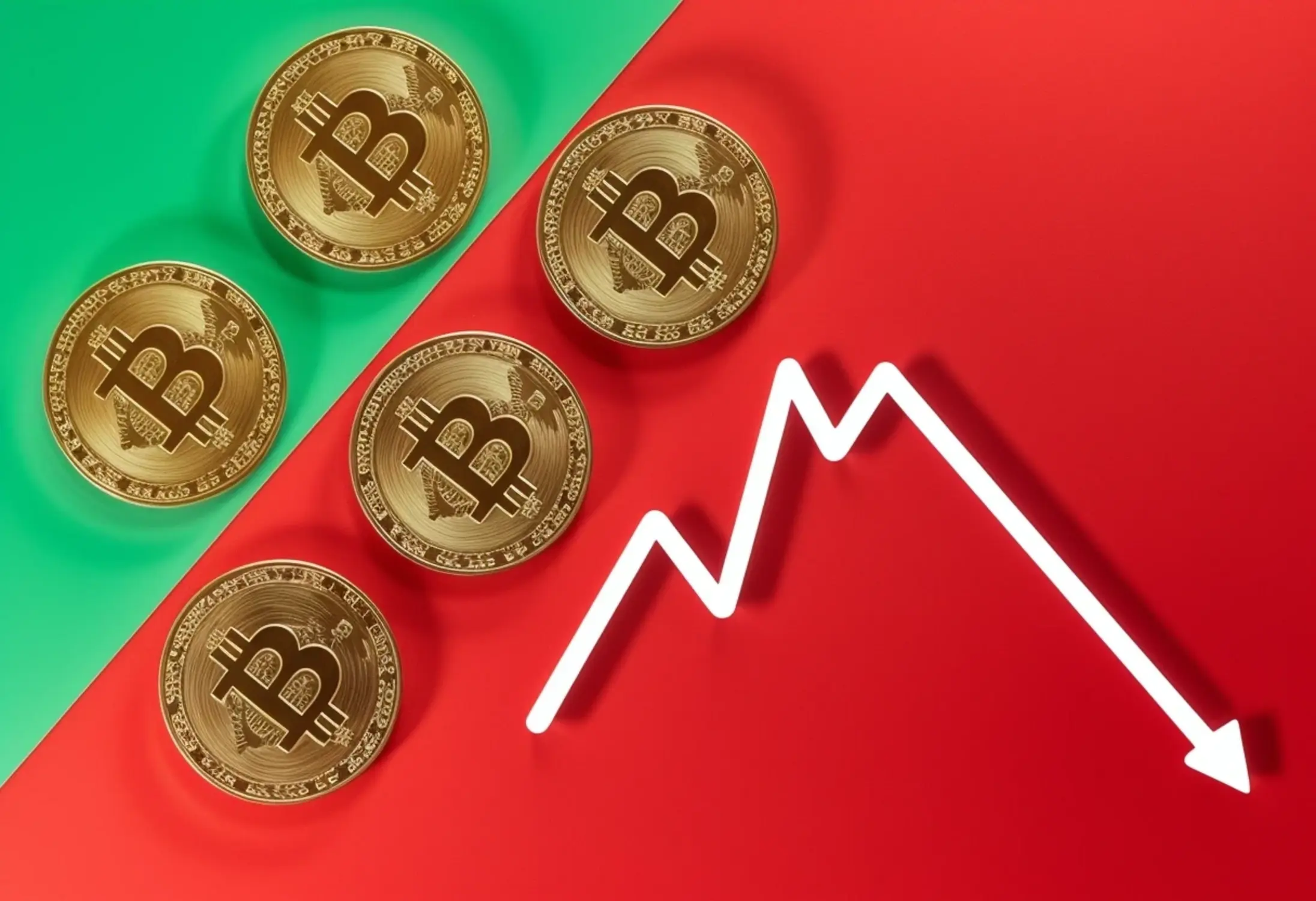
Recently, Bitcoin’s price plummeted to $74,000 amid significant ETF outflows and forced liquidations. Such quick market reactions highlight how interconnected Bitcoin is with traditional market movements. Total liquidations surpassed $2 billion over a weekend, stressing the volatility in Bitcoin’s pricing structure. As the market continues to navigate around uncertain economic conditions, the stabilization of ETF inflows becomes vital for Bitcoin’s resilience against market shocks.
Liquidations and Market Sentiments Around Bitcoin
Liquidations in the Bitcoin market are emblematic of broader liquidity issues affecting confidence amongst investors. When forced liquidations occur, it not only impacts price movements but also exacerbates market sentiments, leading to an atmosphere of uncertainty. This negative sentiment can create a vicious cycle, where falling prices lead to further liquidations, subsequently driving the price down even more.
Understanding the implications of these liquidations is essential for investors looking to make sound decisions. When market confidence wanes due to forced sell-offs, Bitcoin often reflects these sentiments, with price movements capturing the underlying anxiety among investors. It highlights the need for investors to monitor liquidity conditions closely as they navigate this volatile market landscape.

Inflation Concerns and Bitcoin’s Market Response
Inflation poses various risks to Bitcoin, which investors must acknowledge. As inflationary fears rise, they tend to shape investor attitudes towards Bitcoin, sometimes portraying it as a viable store of value. The ongoing inflation experienced over the past few years has spurred discussions on whether Bitcoin should be seen as “digital gold.”
Expert opinions vary on reconciling Bitcoin’s value against rising costs. Moreover, the ongoing inflation could potentially drive more investors toward Bitcoin, seeking an asset that may preserve wealth amidst decreasing purchasing power. However, as noted by industry experts, the persistent inflation rates can create uncertainty in Bitcoin’s long-term value proposition, leading to fluctuating market responses.
Strategies for Navigating Bitcoin’s Volatile Market
Investing in Bitcoin during these uncertain economic times requires strategic planning. Investors should consider several key steps to mitigate risks associated with Bitcoin’s volatility:
– Diversification: Consider including Bitcoin within a broader portfolio aligned with economic forecasts.
– Risk assessment: Understand your risk tolerance, especially in the face of potential downturns or forced liquidations.
– Stay informed: Regularly update yourself with market analyses that can give insights into Bitcoin’s performance and broader economic conditions.
Staying proactive and adaptable in your investment strategies can empower you to navigate the complexities of the Bitcoin market effectively.
The Future of Bitcoin in a Changing Economic Landscape
As macroeconomic conditions continue to evolve, so too will Bitcoin’s role within this landscape. Experts speculate on Bitcoin’s potential trajectory amidst evolving economic paradigms. Continuous market analysis is critical for investors who seek to stay ahead of the curve.
The interplay between economic indicators and Bitcoin’s future holds significant implications for investment strategies. Readers are encouraged to reassess their approaches based on economic trends, capitalizing on the unique opportunities Bitcoin presents while being wary of its inherent risks.
In conclusion, the interplay between Bitcoin and the macro economy is intricate and constantly changing. As investors navigate these volatile waters, a thorough understanding of economic conditions and their impact is essential for informed decision-making.