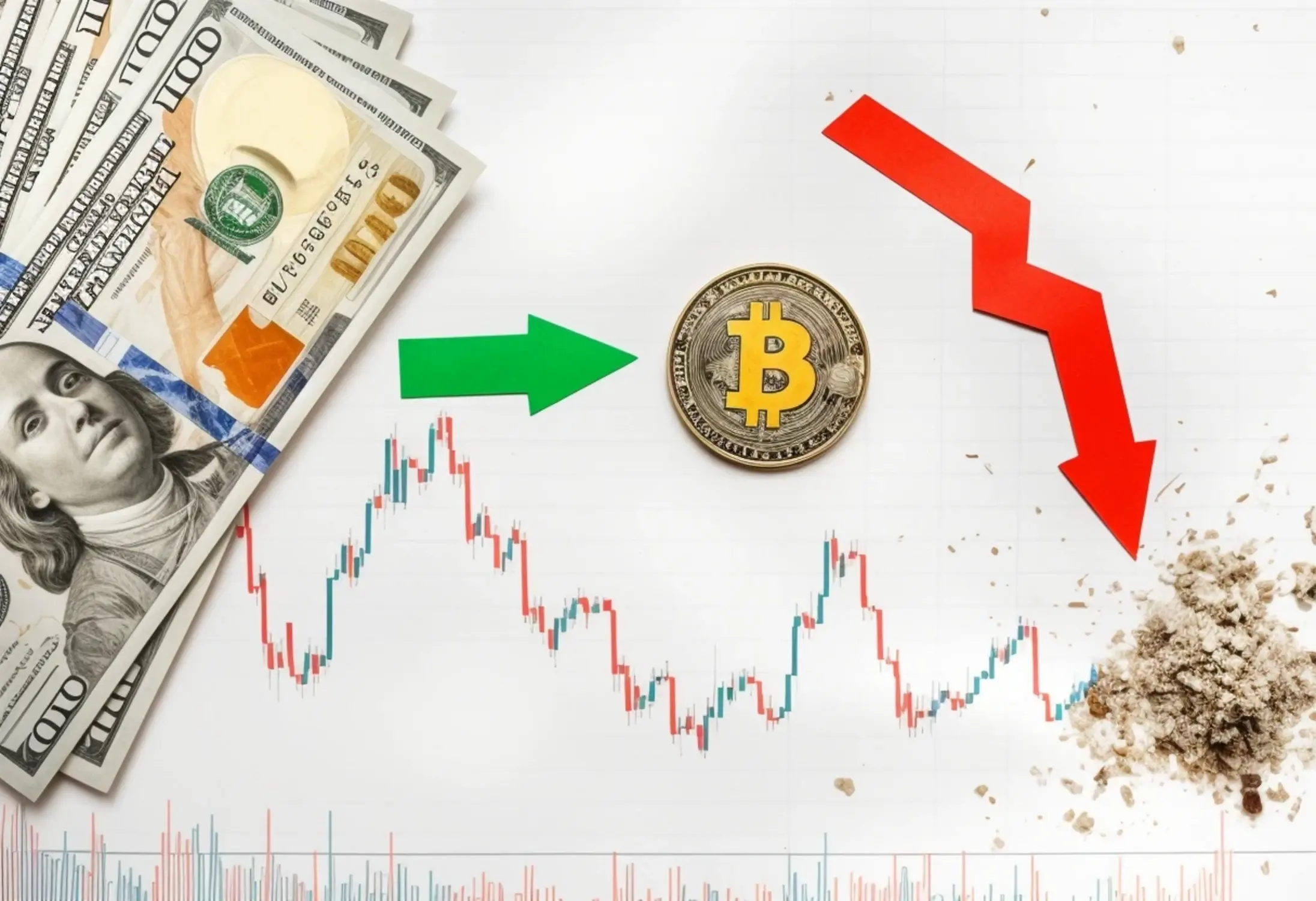
The Hidden Truth About Bitcoin’s Recent Price Crash and Its Impact
The recent Bitcoin plummet has sent shockwaves through the crypto market, prompting investors and analysts to rethink their strategies. As the cryptocurrency faces its worst monthly performance since 2022, understanding its implications is crucial for navigating the current economic landscape.
Understanding Bitcoin Plummet’s Context
To comprehend the recent Bitcoin price crash, it is essential to examine several intertwining factors. Market sentiment plays a pivotal role, often driving investors to react unpredictably. A report notes that Bitcoin is on track for its worst monthly performance since major corporate collapses impacted the crypto sector back in 2022, highlighting just how sensitive the market is to external pressures. Furthermore, the behavior of investors during this tumultuous period has showcased a reluctance to engage actively, potentially exacerbating the downturn (source).
Historically, Bitcoin has always exhibited volatility, experiencing sharp rises and falls that can deter or attract investors, depending on market trends. This pattern of unpredictable behavior suggests that the forces behind volatility, from regulatory changes to macroeconomic conditions, continue to influence investor decisions. Understanding past downturns provides a framework for analyzing the current situation, revealing that the Bitcoin price crash is not an isolated incident, but rather part of a broader trend in crypto market dynamics.
Current Economic State of Bitcoin
Currently, Bitcoin’s market performance reveals alarming statistics. According to recent reports, Bitcoin has shed around a quarter of its value within the month of November alone, representing the steepest decline since June 2022. At one point, Bitcoin’s price fell to $80,553, while Ethereum experienced a significant drop of 8.9% to below $2,700. Such figures underline the gravity of the situation, showing that the total market value of cryptocurrencies has dropped below $3 trillion for the first time since April (source).
In contrast to Bitcoin, other cryptocurrencies like Ethereum have reacted differently, hinting at a lack of uniformity in the crypto market. This disparity in response can be attributed to varying degrees of investor confidence and market acceptance of each cryptocurrency, suggesting that Bitcoin’s decline might not necessarily signal a similar fate for its counterparts. It reflects an evolving landscape where market participants must stay vigilant in assessing both their asset’s performance and market sentiment to make informed decisions.
The Broader Economic Implications
The implications of the Bitcoin plummet extend beyond the crypto markets and can significantly influence global economic sentiments. This crash not only affects individual investors but can also impact traditional financial markets, where correlations between Bitcoin and various asset classes are becoming increasingly pronounced. As discussed by analysts, the downturn in Bitcoin could serve as a catalyst for broader market corrections, raising alarms for investors entrenched in traditional finance (source).
Additionally, macroeconomic factors such as interest rate changes and geopolitical instability tend to have resonance in cryptocurrency movements. Investors viewing Bitcoin as a risk asset may pull back investments, creating a cyclical pattern where each downturn amplifies broader economic uncertainty. The connection between Bitcoin price movements and general market trends indicates that understanding these relationships is crucial for all investors navigating the ever-fluid economic landscape.
Meet the Key Players Impacting Bitcoin
In every market, influential figures play critical roles, and the crypto world is no exception. Notable individuals like Sam Bankman-Fried and Michael Saylor have become synonymous with Bitcoin’s volatility, often affecting the market through their decisions and public stances. Recent controversies surrounding these figures have further shaken investor confidence. For example, the scrutiny faced by prominent exchanges has led to increased caution among crypto enthusiasts, with ripples of their decisions often influencing Bitcoin’s price dynamics.
Being aware of these key players and their potential impacts allows investors to better understand the forces at play in the market. As history has shown, responses by influential figures to criticism or market conditions can significantly sway public opinion and investment strategies, emphasizing the need for investors to remain informed about these developments.

Strategies for Navigating the Bitcoin Crash
Amidst the current market downturn, clear strategies can help investors mitigate risks. Diversification of investments is essential. By spreading assets across various classes—from equities to commodities—investors can better safeguard against volatility specific to Bitcoin or other cryptocurrencies. This approach not only enhances resilience during downturns but also positions investors to capitalize on market recoveries when sentiment shifts.
Also crucial is the practice of closely monitoring market trends, as timely reactions can provide a crucial edge. Tools such as market analytics and continuous education on evolving narratives in the crypto space are invaluable. By cultivating a proactive strategy, investors can work toward navigating the choppy waters of the current crypto landscape with greater confidence and insight.
Future of the Crypto Market Post-Crash
Looking ahead, the recovery trajectory for Bitcoin remains uncertain, yet promising signals are emerging. Investor confidence is paramount; trends indicating a potential rebound suggest that the market is resilient and may begin to repair itself. Analysis points to conditions that may favor a market correction soon, allowing for a stabilization period where investors can reassess their strategies for long-term versus short-term trading (source).
Additionally, segments of the market may begin to differentiate themselves, leading to a reallocation of capital from low-performing to high-potential cryptocurrencies as recovery patterns develop. As speculative behavior yields to more informed investing, the crypto market could see a paradigm shift that ultimately enhances its stability and reliability in the face of adversity.
Understanding the multi-faceted impact of the Bitcoin plummet is crucial for anyone involved in the cryptocurrency landscape. By analyzing existing trends, investor behaviors, and market responses, one can navigate this dynamic environment more effectively.