Why The Bitcoin Miner Reserve Crisis Is About to Change Everything
The Bitcoin market shift is upon us, driven by declining miner reserves and market trends. Understanding how this crisis affects miners and the overall cryptocurrency economy is crucial for investors and enthusiasts alike, as it signals significant changes ahead.
Evolving Dynamics of Bitcoin Miners
Bitcoin miners are facing a crucial juncture that could alter the trajectory of the entire cryptocurrency landscape. As operational costs rise and reward cycles diminish, the financial pressures on these miners have intensified. Miner health is not just about profits; it directly influences the Bitcoin market through their reserves. Many miners, facing financial hardship, are liquidating their holdings to meet expenses. This behavior has a cascading effect on market conditions and investor sentiment.
The relationship between miner profitability and Bitcoin reserves is intricate. When miners decide to sell off portions of their holdings, it signals a lack of confidence, potentially leading to a downward spiral in market prices. According to a recent report, miner reserves are plunging, currently holding about 1.801 million BTC. This dramatic decrease can destabilize market trends and erode user confidence.
Current Bitcoin Reserves: A Tipping Point
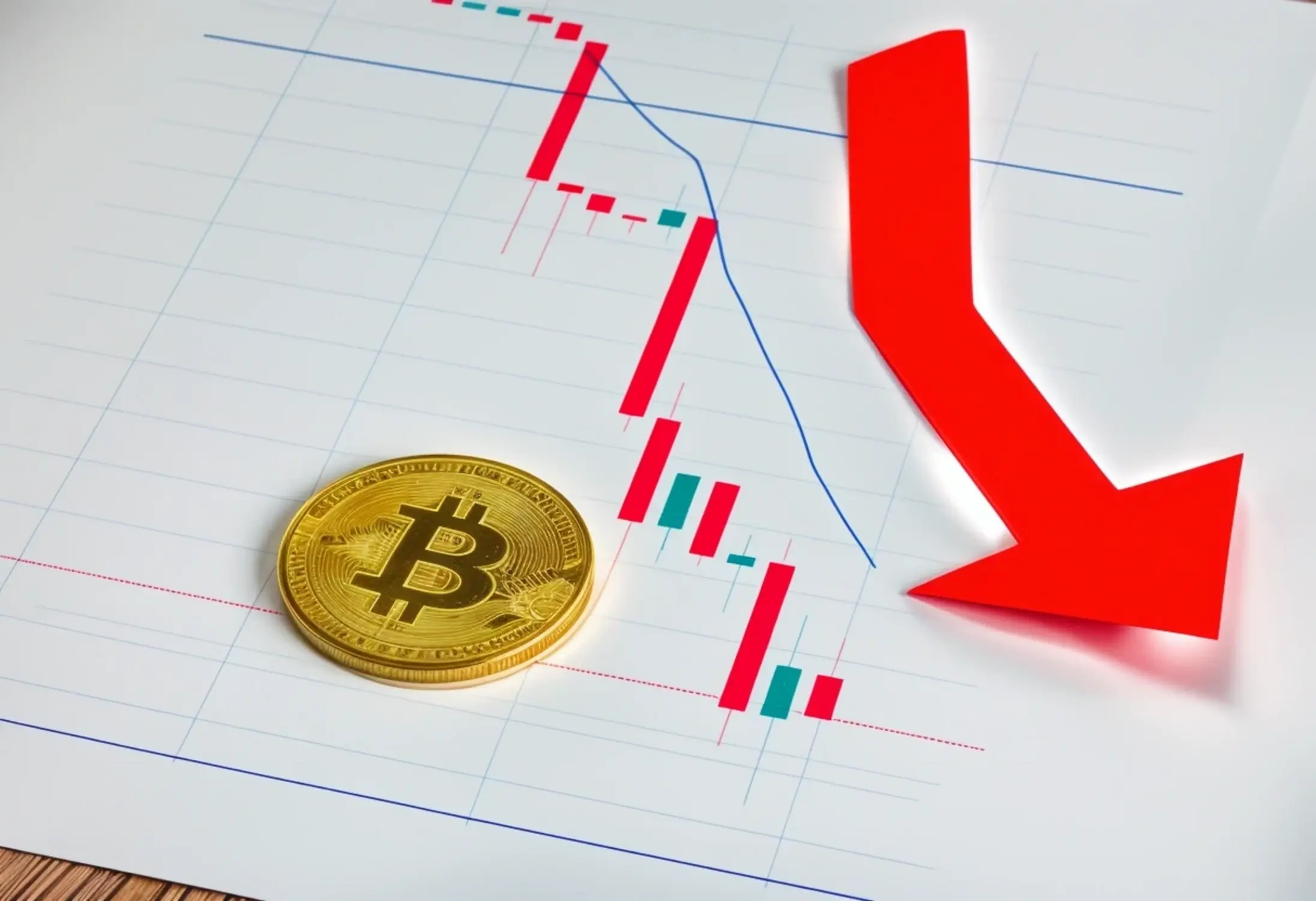
The current state of Bitcoin reserves held by miners is critical to understanding the impending changes in the cryptocurrency economy. Currently, miners hold approximately 1.801 million BTC, which has plummeted from previous highs, creating a precarious situation for the market. The total value of these reserves is around $133 billion, down over 20% in just two months, as noted by industry sources. This trends reveal that the market could be edging toward a tipping point, where increased selling pressure might meet waning demand, potentially creating a significant price correction.
As miners sell off their Bitcoin reserves to remain operational, they inadvertently contribute to an oversupply in the market. It encourages a bearish sentiment among investors, as the perceived stability that Bitcoin once represented wavers. Monitoring miner behavior and reserve levels is essential for forecasting cryptocurrency trends. Investors should pay close attention to future shifts as this tipping point approaches.
Influencing Factors Behind Market Trends
Several influencing factors are currently shaping market trends linked to Bitcoin miners. The connection between exchange-traded fund (ETF) flows and miner activity has become increasingly important. As ETF investments falter, miners are not only compelled to sell their reserves but also face declining incentives to operate at effective thesis. Reports indicate that negative ETF flow can decrease demand, subsequently leading to increased reserves for sale.
Moreover, external economic pressures, such as inflation and regulatory scrutiny, contribute to miner financial distress. As the global economic landscape shifts, so does the Bitcoin miner landscape, impacting their ability to maintain reserves. Changes in miner behavior can amplify market volatility, leading to sudden shifts that may catch investors off guard.
Understanding Market Signals and Indicators
Understanding key market signals and indicators is crucial in this evolving landscape. One such metric is the Net Unrealized Profit/Loss (NUPL), which indicates the overall profitability of Bitcoin holders. Currently, NUPL remains positive but has compressed sharply, sitting around 0.215. This suggests that while the market hasn’t yet reached a capitulation state, profitability is declining, which could initiate broader market ramifications.
Additionally, the behavior of Unspent Transaction Outputs (UTXOs) plays a role in indicating market health. UTXOs in profit reveal a robust holder base compared to previous cycles, implying that long-term holders may remain unfazed by short-term fluctuations. However, monitoring these signals remains essential as they can provide critical insights into either early signs of market recovery or impending declines.
The Role of Investor Sentiment in Cryptocurrencies
Declining miner reserves significantly affect market perception and investor sentiment. When miners face tough financial choices, the market reacts not just to the economics but to psychological factors as well. For instance, a panic sell-off by miners can trigger a similar response among retail investors. The interplay between miner profitability and investor confidence becomes increasingly fragile as market indicators fluctuate.
Additionally, although some holding trends suggest optimism among long-term investors, the overwhelming sentiment can turn sour if miner reserves continue to dwindle. Consequently, a deeper understanding of these dynamics can help investors develop long-term strategies and make informed decisions.
Strategies for Navigating the Bitcoin Market Shift
As investors, adapting to the shifting dynamics of the Bitcoin market is imperative. Given the current challenges and predictions regarding miner reserves, stakeholders must consider actionable strategies. Keeping up-to-date on miner activities and market conditions can provide invaluable insights. One approach is to set clear risk management boundaries to safeguard against potential downturns.
Moreover, diversifying investment strategies can shield portfolios from volatility. Investors may also explore staking options or other crypto assets that offer returns, which can complement their existing Bitcoin holdings. Staying informed and adaptable will be key during these tumultuous times, as the market continues to evolve.
In conclusion, the Bitcoin market is undergoing a significant shift, largely influenced by the ongoing miner reserve crisis. As miners face unprecedented challenges, their actions are creating ripple effects that could change the cryptocurrency landscape for years to come. Investors must remain diligent and informed as new trends emerge.