Why Bitcoin’s Stability During Economic Turmoil Changes Everything for Investors
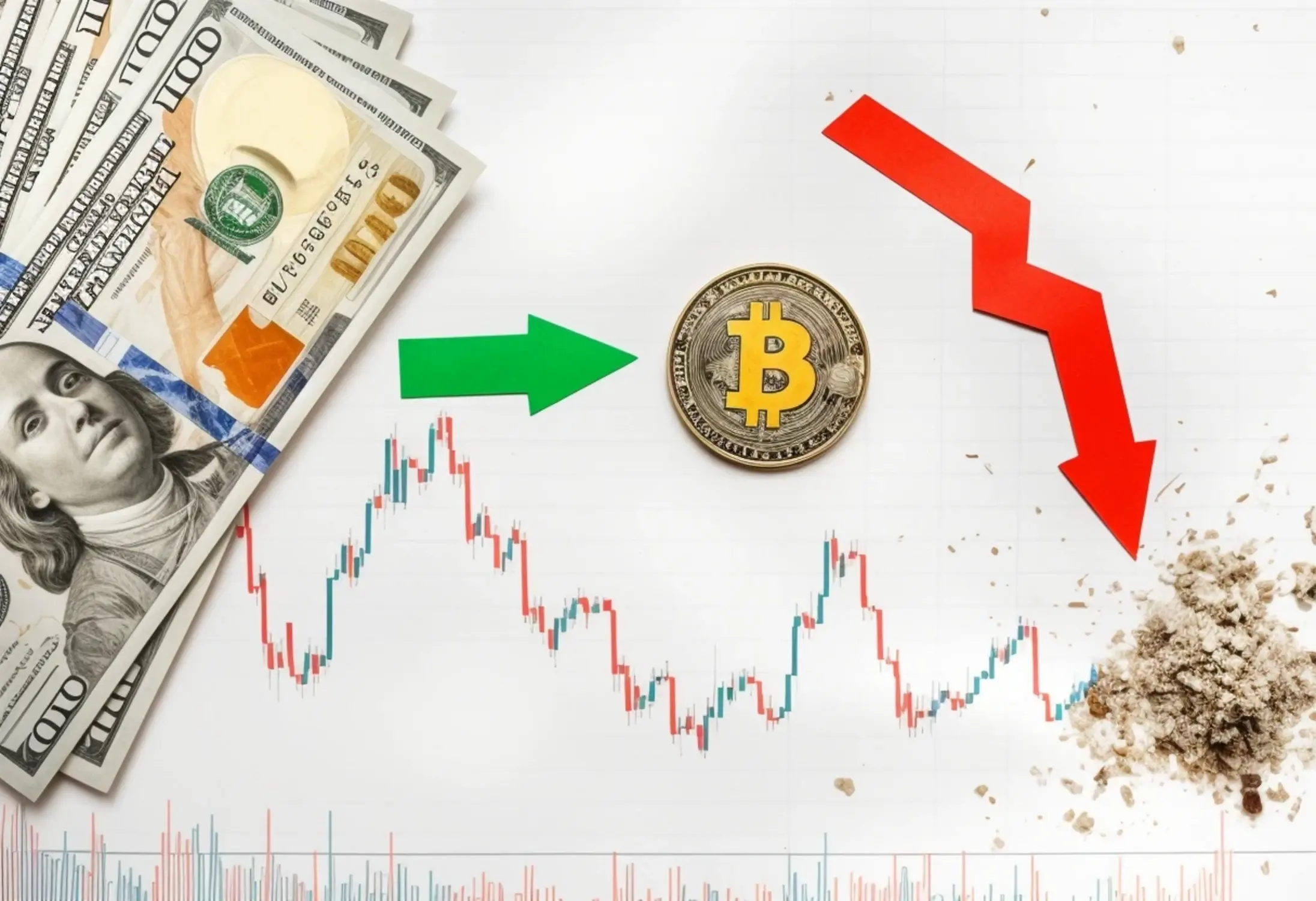
In today’s economic landscape, the resilience of Bitcoin investment in the face of market volatility is critical for investors. As traditional markets face turmoil, Bitcoin’s stability presents a compelling case for shifting investment strategies during periods of economic uncertainty.
Understanding Bitcoin’s Resilience in Crisis
Bitcoin has a fascinating history of performance during economic downturns. When traditional markets experience turbulence, Bitcoin often serves as a bellwether for investor sentiment. Historical data indicates that during previous financial crises, Bitcoin maintained a level of stability that defied expectations. As noted in recent reports, this resilience can be attributed to growing institutional adoption and a robust understanding of its value proposition as a decentralized asset.
Besides institutional interest, Bitcoin’s fixed supply underpins its stability. Investors view it as a hedge against inflation and currency devaluation, especially in uncertain times. This perception is crucial when traditional assets, like stocks, face abrupt declines and heightened volatility. Such factors contribute to Bitcoin’s emerging reputation as a digital gold, making it appealing to risk-averse investors seeking safe havens during economic tumult.
The Impact of Economic Uncertainty on Investors
Economic uncertainty significantly influences investment strategies. When markets fluctuate unpredictably, investors tend to seek out assets that promise security and potential growth. Bitcoin is increasingly recognized as a viable alternative. Its ability to thrive, or at least not plummet, amidst crises offers a unique investment opportunity.
During these times, investor psychology plays a critical role. Many investors gravitate towards Bitcoin as a response to fears of instability in traditional markets. The recent sharp declines in equity markets, with the S&P 500 futures trading with losses around 0.90%, as reported during geopolitical tensions, highlight the increasing appeal of Bitcoin. It provides a sense of relief amidst chaos, allowing investors to diversify their portfolios against market volatility.
Market Volatility and Cryptocurrency Dynamics
Recent trends show that market volatility directly influences cryptocurrency dynamics. Traditional asset movements have become more disjointed, while Bitcoin has shown an uncanny ability to remain relatively stable. This pattern is underscored by its performance compared to stocks and commodities, which often take significant hits during crises.
For example, while oil prices surged past $120 per barrel due to geopolitical unrest, Bitcoin’s implied volatility index remained stable at around 60% during the same period. This dynamic illustrates Bitcoin’s unique position in the investment landscape. As investors increasingly witness Bitcoin’s resilience, their confidence in the cryptocurrency only grows, contributing to a self-reinforcing cycle of investment and stability.
Stablecoins as a Safety Net for Investors
Alongside Bitcoin, stablecoins have emerged as a safety net for many investors navigating turbulent markets. Stablecoins, pegged to traditional currencies or baskets of assets, aim to provide price stability. They serve as an intermediary, allowing investors the flexibility to exit volatile markets while maintaining a stake in the digital economy.
While stablecoins have their advantages, there are noted strengths and weaknesses associated with their use. For instance, they provide a hedge against the rapid fluctuations seen with other cryptocurrencies but can pose risks linked to their underlying collateralization and regulatory scrutiny. The integration of stablecoins into Bitcoin investment strategies can enhance overall portfolio resilience, ensuring investors have liquid assets when needing to shift investments swiftly.

Opportunities for Investors Amid Turmoil
Amid undeniable economic uncertainties, Bitcoin offers numerous opportunities for investors. The current climate encourages strategic allocations that leverage Bitcoin’s stability. Investors exploring Bitcoin might consider diversified exposure not only through Bitcoin itself but also via emerging movements in the stablecoin market.
By employing a well-rounded strategy, investors can balance potential risks and rewards. With Bitcoin’s market capitalization holding steady at approximately $1.35 trillion, offering 56.5% dominance over other crypto assets, the time could be opportune for investors to make informed decisions.
Preparing for Future Economic Uncertainties
Finally, preparing for future economic uncertainties necessitates an adaptable approach. Investors must develop essential strategies that incorporate Bitcoin in sizable portfolios while being aware of ongoing market changes.
Diversification remains key, not only among traditional assets but also within the crypto realm. By including Bitcoin and stablecoins as part of their portfolios, investors can navigate market turbulence more effectively. Moreover, continuous education and adaptation to new financial landscapes will empower investors to sustain their efforts and thrive in face of uncertainty. Investors should view their Bitcoin investments not merely as a short-term gain but as a long-term strategy woven into their overall financial fabric.