Why the Recent Bitcoin Crash Is About to Change Everything in Financial Markets
The recent Bitcoin crash signals a significant shift in financial markets, with ripple effects affecting investors and the cryptocurrency landscape. Understanding these dynamics now is crucial for navigating the emerging investment risks and opportunities in the evolving market.
Understanding the Impact of the Bitcoin Crash
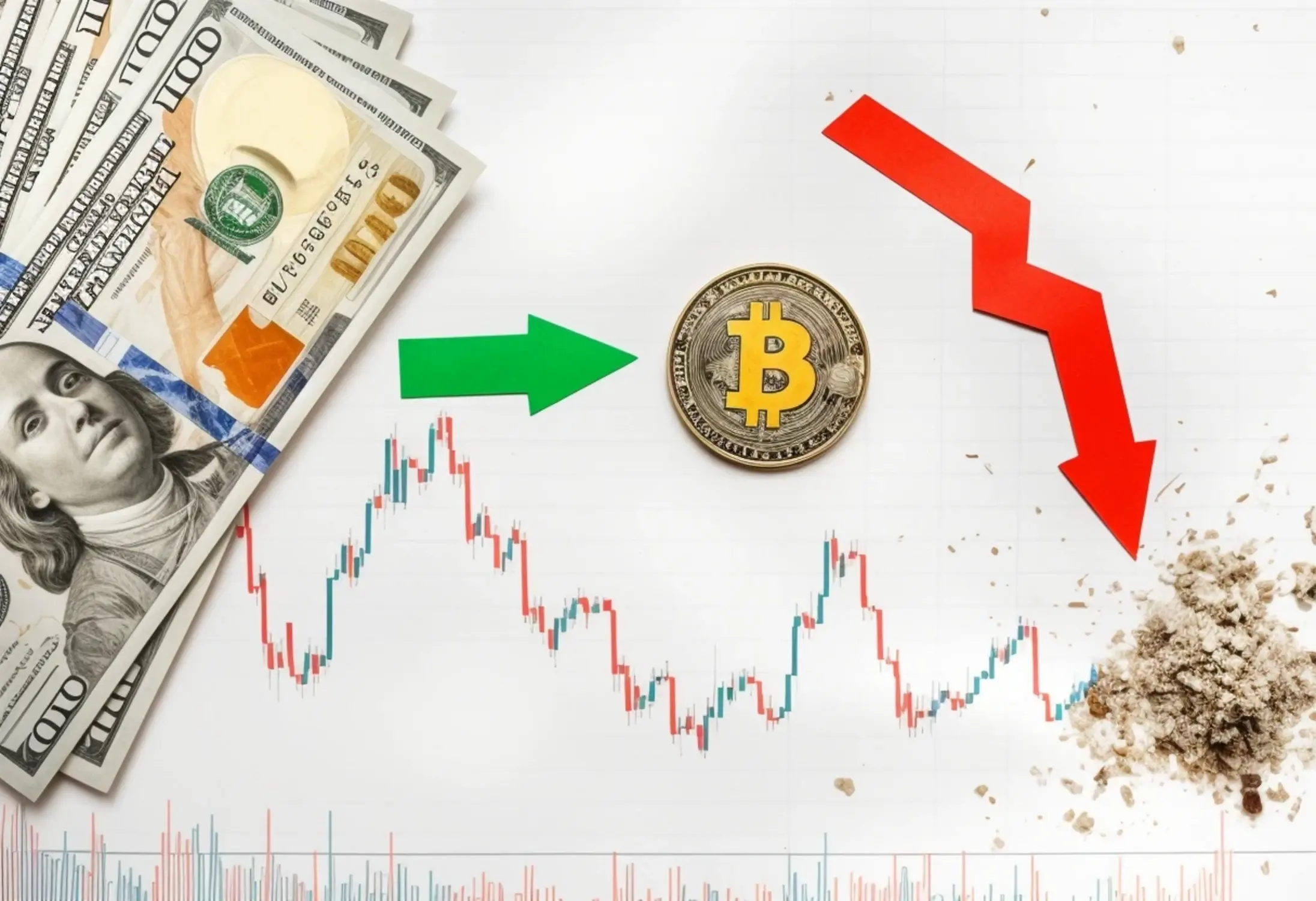
The immediate effects of the Bitcoin crash have been severe, shaking investor confidence across the board. Many investors perceive Bitcoin as a bellwether for the broader cryptocurrency market. As Bitcoin’s value dwindled, it led to a dramatic decline in speculative trading and investment decisions. For instance, Bitcoin recently plunged nearly 31% from its peak earlier in the month, resulting in billions being wiped off its value almost overnight, as highlighted in a recent report.
Looking back at historical parallels, this event is reminiscent of past market downturns, such as the dot-com bubble in the early 2000s. Just as that period drove many investors to rethink their approaches, the current crash prompts a reevaluation in crypto investment strategies. Investors are now inclined to assess not only the immediate fallout but also long-term implications of major market shifts.
Potential shifts in investment strategies are evident as seasoned investors grapple with the realities of market volatility. Many are exploring more defensive positions while reevaluating exposure to high-risk assets like Bitcoin. Consequently, the pressure is mounting for a broader reassessment of their financial portfolios as they seek to protect against future downturns.
The Growing Concern of Crypto Contagion
As Bitcoin’s decline continues, concerns about crypto contagion are growing. The idea that the fall of a leading asset could trigger broader market turmoil has raised alarms among analysts. The connections between various asset classes suggest that when Bitcoin suffers, it may not be long before other cryptocurrencies and even traditional investments feel the pinch.
Signs of potential contagion are evident, particularly in the outflow of capital from related cryptocurrencies. Investors have been pulling back, causing a domino effect on market confidence and valuations. For instance, during recent weeks, the volatility within Bitcoin has led to an increase in risk aversion among cryptocurrency holders, as seen in broader market sentiments and trading decisions.
Investor sentiment plays a critical role in market stability. As fear and uncertainty spread, major players in the financial markets may become increasingly hesitant to invest in cryptocurrencies, reinforcing a cycle that could affect other asset classes. This complex interplay of emotions and financial performance underpins market dynamics as traders react to Bitcoin’s fluctuating fortunes.
Current Trends in Bitcoin and Financial Markets
Amidst the chaos of the Bitcoin crash, recent trading volumes have revealed stark patterns. While many anticipated a rush to buy the dip, trading volume has instead seen a marked decline. The reality is that confidence in Bitcoin’s long-term prospects is waning, as many investors focus on liquidity and reducing exposure. This is evident from the massive outflows recorded from Bitcoin ETFs.
According to data compiled by Bloomberg, November saw approximately $3.5 billion pulled from US-listed Bitcoin ETFs, aligning closely with the all-time record for outflows. Notably, BlackRock’s Bitcoin fund, which oversees about 60% of the ETF assets, reported significant redemptions. Such data indicates not merely a single crash, but shifts in investor strategies toward more stable investment options.

Additionally, while Bitcoin sinks, other cryptocurrencies are reacting variably. Some have seen less dramatic losses, while others have mirrored Bitcoin’s downturn, raising questions about their long-term viability. Many consider correlations between Bitcoin and these altcoins necessary to monitor closely as the dust settles.
Risks Associated with the Bitcoin Fall
The risks facing investors, both new and seasoned, have amplified following the crash. Many financial experts warn that the fallout could lead to a further decline in Bitcoin and the broader cryptocurrency market. The investment risks now extend far beyond mere price volatility; they encompass reputational and operational risks as well.
Specifically, venture capital investments in the crypto sectors are likely to feel the impact, as uncertainty discourages new funding initiatives. Many venture firms are adopting a wait-and-see approach, hesitant to commit further capital until market conditions stabilize. As experts note, this environment could reshape sector growth trajectories, leading to slower innovation and development.
Warnings from analysts emphasize that potential for further decline remains, suggesting investors should adopt a cautious posture. Regulatory scrutiny around cryptocurrencies may add to these risks, emphasizing the need for thorough due diligence before entering the market.
Actionable Insights for Navigating the New Market Landscape
For investors seeking to navigate the volatile market landscape post-crash, several strategies may help mitigate risks. Firstly, diversifying portfolios must become a priority. By allocating investments across various asset classes, investors can reduce exposure to Bitcoin and protect their capital against downturns in specific sectors.
Investors can also explore alternative investment options that offer more stability, such as bonds, commodities, or established stocks in related industries. These assets often behave differently in market tumult, providing a necessary cushion amidst crypto volatility.
Staying informed is equally essential. Investors must remain engaged with real-time news and analysis about Bitcoin trends and market happenings. This enables timely decision-making and better adaptation to shifts in the cryptocurrency landscape.
Future of Bitcoin Trends Post-Crash
Looking ahead, possible recovery patterns for Bitcoin may emerge, albeit with significant caution. Many analysts speculate that a recovery is plausible within the coming months, especially if fundamental valuations align with broader market stabilization.
However, potential regulatory implications are on the horizon following the crash. Historically, regulatory actions can redefine market paradigms, often leading to increased compliance costs and operational limitations for cryptocurrency entities. Investors must keep abreast of potential regulatory changes that may influence the cryptocurrency market.
Not all is bleak; opportunities will likely arise for savvy investors willing to navigate the risks involved. Emerging technologies and innovative practices stemming from the crypto sector’s resilience could lead to profitable investments, underscoring the importance of vigilance and strategic foresight in the new market landscape.