Why Bitcoin is About to Replace Gold in the Investment Landscape
In today’s rapidly evolving financial environment, the rise of Bitcoin as digital gold signifies a critical shift in investment strategies. With increasing institutional interest and the potential for significant gains, it’s essential to understand how cryptocurrency investments are reshaping the market.
Evolving Perceptions of Bitcoin as Digital Gold
Bitcoin is increasingly being viewed as a viable alternative to gold. Traditionally, gold has served as a hedge against inflation and a safe haven during economic uncertainty. However, the emergence of Bitcoin as digital gold is reframing this long-held perception. Investors are increasingly turning to Bitcoin due to its scarcity and decentralized nature, making it a compelling substitute for gold. Prominent figures have begun advocating for Bitcoin, including Rick Rieder, who stated, “I think bitcoin] will take the place of gold to a large extent? Yeah, I do, because it’s so much more functional than passing a bar of gold around” [according to recent reports.
Institutional interest in Bitcoin is at an all-time high, driven in part by gold’s fluctuating performance. As gold prices soar, many investors are seeking alternative assets, leading to increased Bitcoin demand. The idea of Bitcoin as a replacement for gold is not merely speculative; it is gaining traction among influential market participants who see Bitcoin’s superior attributes as a safeguard for wealth preservation.
The Impact of Current Gold Prices on Bitcoin Demand
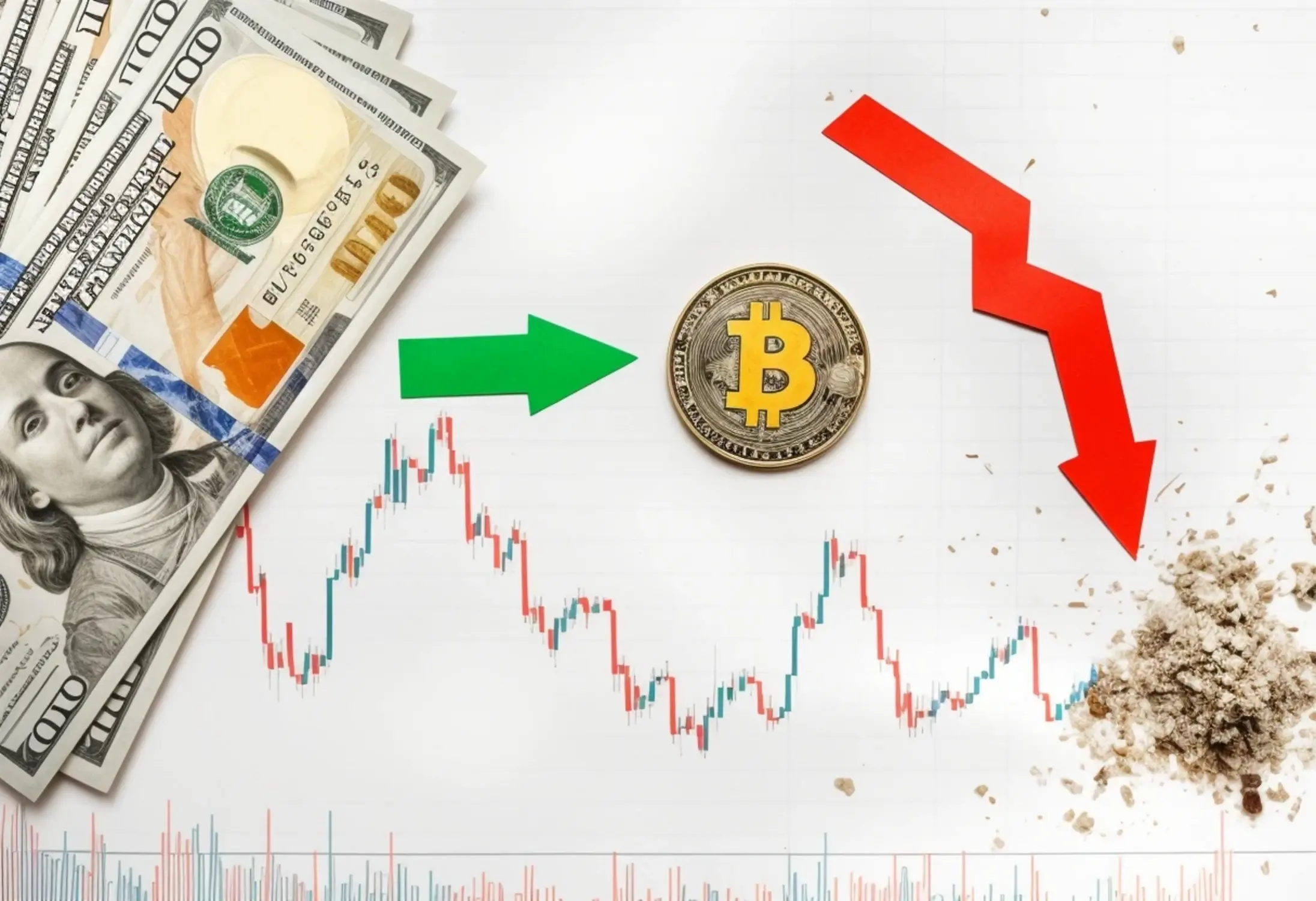
The dynamics of gold pricing heavily influence investor behavior toward Bitcoin. As gold recently reached new heights, traditional investors are reassessing their portfolios. Gold’s price surge often drives investors to seek out Bitcoin as a potential growth asset. Historical data supports this notion, showing that periods of rising gold prices generally correlate with increased Bitcoin interest. Moreover, Bitcoin’s price movements have begun to mimic certain aspects of gold’s volatility.
When faced with significant economic challenges, such as inflationary pressures, investors often flock to safer assets. This behavior is reflected in Bitcoin’s increasing popularity during gold’s bullish periods. Factors driving the demand for cryptocurrency investments include not just price movements but also the quest for modern alternatives amid traditional market constraints. For instance, the forecasted economic impact of Bitcoin suggests that it may play a crucial role in wealth management in the years ahead.
Major Financial Entities Weighing in on Bitcoin Forecasts
The future trajectory of Bitcoin is becoming a point of focus among financial institutions. Predictions for Bitcoin’s price in 2026 illustrate this growing interest. Estimates range significantly, from as low as $75,000 to as high as $250,000. Notably, Standard Chartered cut its forecast for Bitcoin from $300,000 to $150,000, reflecting a cautious approach to its potential as noted by industry commentators.
Companies like JPMorgan also offer significant insights, providing targets that hinge on Bitcoin’s relationship with gold. Their research suggests that institutional demand, primarily through exchange-traded funds (ETFs), may notably influence Bitcoin’s price trajectory. This institutional adoption could lead to increased liquidity and price stabilization—factors essential for long-term investment success.
The Future of Bitcoin: An Economic Perspective
From an economic standpoint, Bitcoin presents a compelling case compared to traditional investments like gold. The unique attributes of Bitcoin—limited supply and digital accessibility—position it as an attractive option in a changing financial landscape. Unlike gold, which relies heavily on physical properties and mining impacts, Bitcoin operates within a digital ecosystem.
Market factors influencing Bitcoin’s price include not only traditional financial behaviors but also rapid technological advancements. As digital currencies gain legitimacy, the long-term benefits of adopting Bitcoin over gold come into sharper focus. Embracing Bitcoin may represent a forward-thinking strategy for investors seeking growth and diversification in their portfolios.

Strategies for Investors Navigating Bitcoin vs Gold
Investors seeking to diversify their portfolios amidst the Bitcoin vs gold debate should adopt tailored strategies. Understanding the inherent risks and rewards associated with each asset class is crucial. Traditional hedge against inflation may work for gold, but Bitcoin provides volatility that can lead to significant gains.
Strategies for portfolio diversification might include:
– Allocating a percentage of investments into Bitcoin, timed with market movements.
– Monitoring gold price trends to gauge potential movements in Bitcoin demand.
– Assessing the risks associated with cryptocurrency, including regulatory changes.
Leveraging market trends in understanding crypto economic impacts can also yield benefits. By staying informed and strategically allocating investments, individuals can navigate the complexities of the Bitcoin landscape effectively.
Building a Sustainable Investment Future with Bitcoin
The long-term sustainability of Bitcoin as a digital asset signals its potential to revolutionize investment practices. Bitcoin showcases technological innovation that fosters secure transactions and borderless trade, making it an appealing choice for the future.
Investors should engage with cryptocurrency thoughtfully, using insights from market trends to enhance their outcomes. Although Bitcoin’s volatility presents challenges, its potential rewards are significant.
Addressing common concerns with Bitcoin includes:
– Understanding market cycles and timing entries into investment.
– Recognizing the importance of regulatory environments on market stability.
By prioritizing informed decision-making and staying engaged with market developments, investors can position themselves for successful long-term results. The ongoing conversation about Bitcoin as digital gold continues to evolve, mirroring the changing dynamics of the global economy.