Why Bitcoin and Copper’s Connection Could Reshape Investment Strategies
As the global economy navigates through unprecedented challenges, the evolving relationship between Dr. Copper and Bitcoin emerges as a pivotal factor likely to reshape investment strategies. Understanding how these two seemingly disparate assets correlate can provide valuable insights for investors looking to optimize their portfolios amid fluctuating market dynamics.
Dr. Copper and Bitcoin: A Surprising Relationship
Dr. Copper has long been revered as a barometer for economic health. Its price movements reflect trends in industrial demand and economic activity. Conversely, Bitcoin is emerging as a significant digital asset seen as a safe haven during economic strife. As outlined in a recent report, there’s growing evidence that both assets are reacting similarly under economic pressure.
As market sentiment shifts, understanding the risk appetite associated with both Dr. Copper and Bitcoin becomes crucial. This is especially pertinent today when investors are reevaluating their strategies due to concerns about inflation and rising interest rates. With Bitcoin’s increasing acceptance as a hedge against inflation, its relationship with copper – a conductor of industrial growth – could redefine how we approach investments in both the crypto and commodities markets.
Current Economic Pressures on Bitcoin and Copper
Macroeconomic factors are currently influencing both Bitcoin and the copper market. The ongoing geopolitical tensions, particularly those affecting commodity prices, create uncertainty for investors. For instance, as copper prices fluctuate in response to global supply chain disruptions, Bitcoin has shown an ability to mirror these movements, particularly during market downturns.
Identifying key indicators of economic growth tied to copper can offer predictions on Bitcoin’s trajectory. In recent months, analysts observed that declines in copper prices often coincide with dips in Bitcoin, reflecting broader economic stress. Investors keen on diversifying their portfolios should keep an eye on these indicators, as shifts could signal future trends in crypto investments.
The Rise of Bitcoin as a Macro Risk Asset
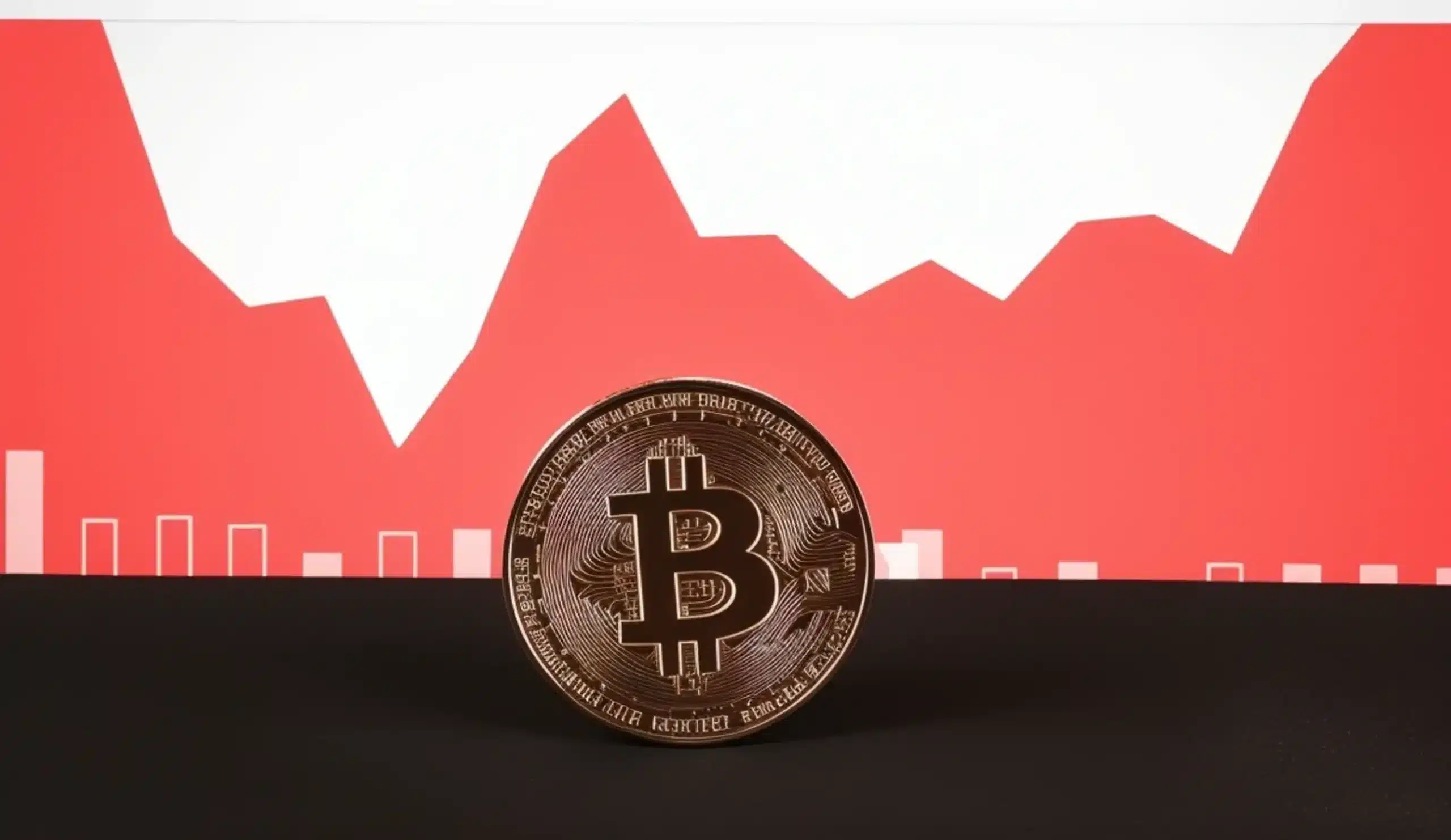
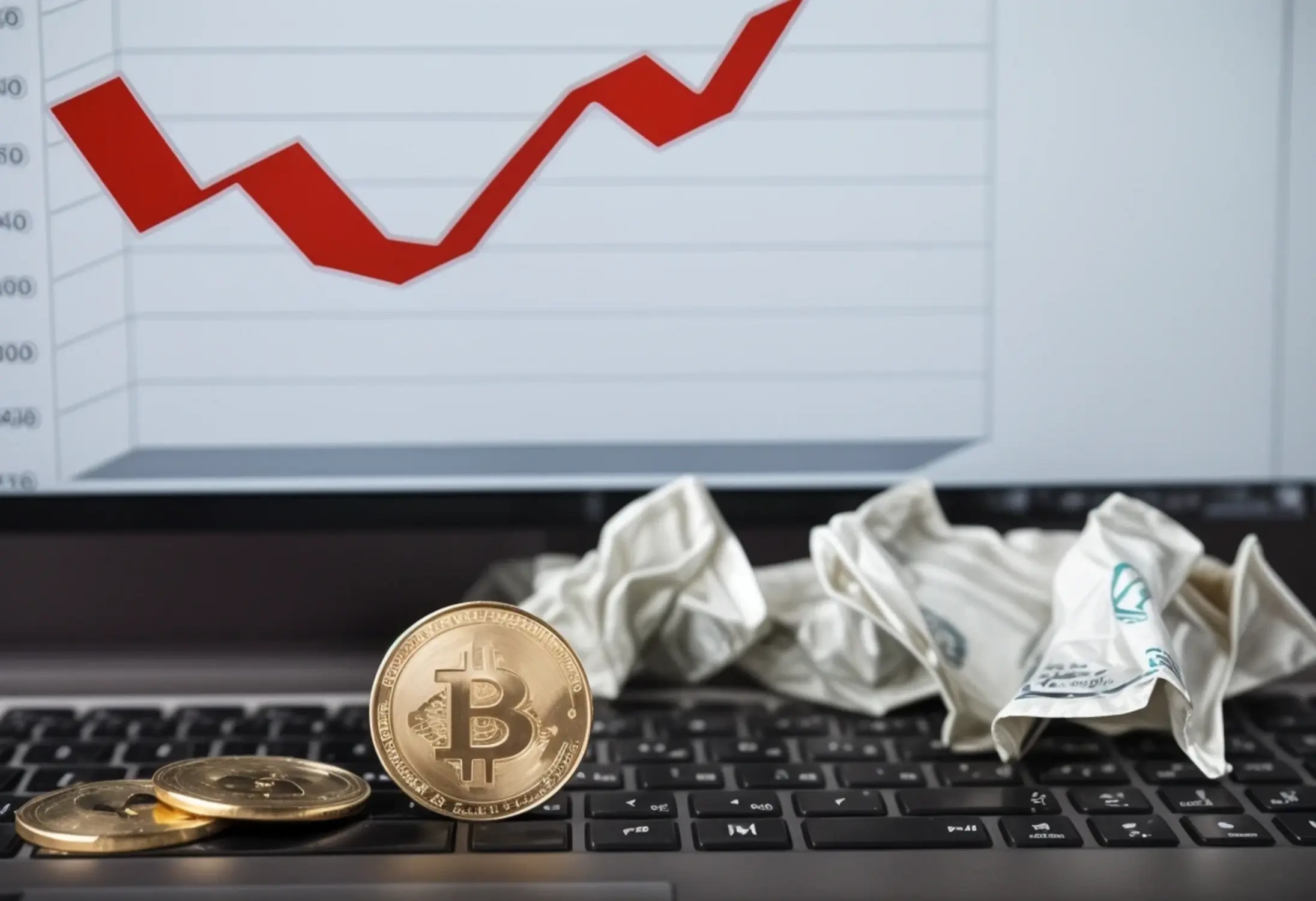
Historically, Bitcoin’s performance during market downturns illustrates its potential as a macro risk asset. Unlike traditional commodities, Bitcoin shows a unique volatility that often attracts investors seeking alternative assets during times of market uncertainty. For example, in January 2026, Bitcoin faced a staggering drop below $78,000, a move that paralleled a decline in copper prices, reinforcing the narrative that Bitcoin can behave similarly to traditional risk assets when markets react to economic strain.
In comparison, when assessing the volatility of Bitcoin against copper, the former tends to exhibit greater short-term fluctuations, illustrating an increased risk-reward ratio. Understanding investor behavior during these periods is essential. Many investors appear to turn to Bitcoin as a hedge when traditional markets falter, further solidifying its place in a balanced investment strategy.
Copper Market Dynamics Supporting Investment Strategies
Copper serves as a critical component in various industrial applications, underpinning its status as a reliable market indicator. The demand for copper is closely linked to economic performance; hence, its price movements provide insights into potential growth trajectories. For instance, demand for copper in sectors such as renewable energy and electric vehicles has seen significant rises, suggesting robust economic activity.
According to industry forecasts, copper demand for data centers is projected to reach 475,000 tons by 2026, highlighting the metal’s enduring relevance in the evolving technological landscape. These indicators not only affirm copper’s stability but also help investors formulate strategies that incorporate both copper’s traditional role and Bitcoin’s emerging status as a speculative asset.

Strategies for Crypto Investment in Modern Markets
With the interdependence of the copper market and Bitcoin, investors are advised to diversify their crypto investments. Copper’s relative stability can act as a counterbalance to Bitcoin’s inherent volatility. Here are several strategies investors might consider:
– Diversification: Blending investments across copper and Bitcoin may help mitigate risks associated with market fluctuations.
– Emerging Trends: Keep an eye on trends in cryptocurrency risk management, such as implementing stop-loss orders to limit potential losses.
– Data Utilization: Use market data comprehensively to inform investment choices, taking into account the correlations between these two assets.
Future Outlook: Investing Amidst Changing Correlations
Looking ahead, anticipating future economic trends affecting both Bitcoin and copper markets will be crucial for savvy investors. Current technological advancements—in areas like electric vehicles and green technology—could significantly impact copper demand, thus indirectly affecting Bitcoin’s status as an alternative asset.
As the correlations between Bitcoin and copper continue to evolve, investors must remain agile, adapting strategies that cater to shifting market dynamics. By recognizing the intricacies of these relationships, investors can navigate the complexities of modern financial landscapes more adeptly, maximizing their portfolio’s resilience in an unpredictable economy.