Why Bitcoin and AI Are About to Change Economic Stability Forever
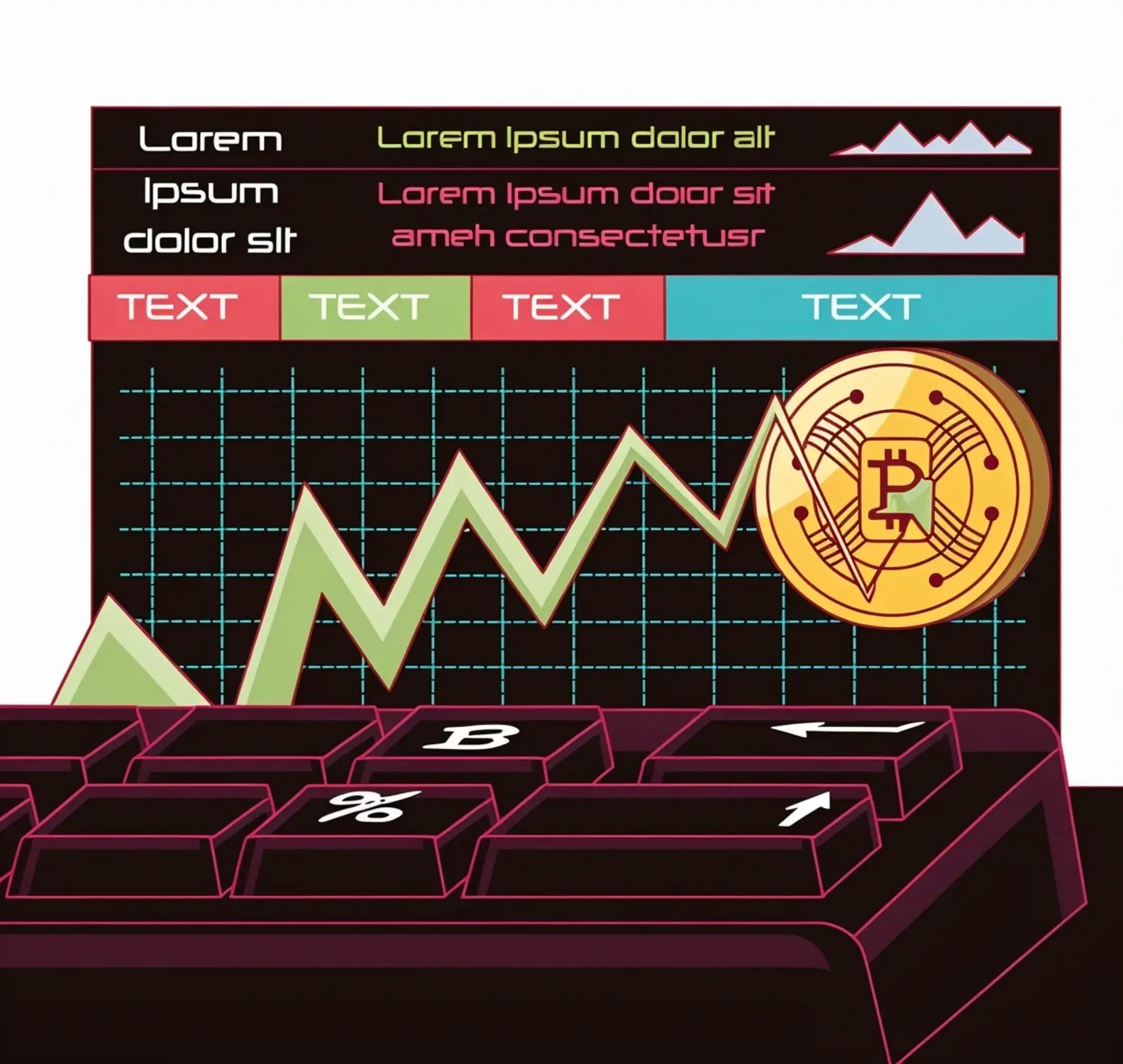
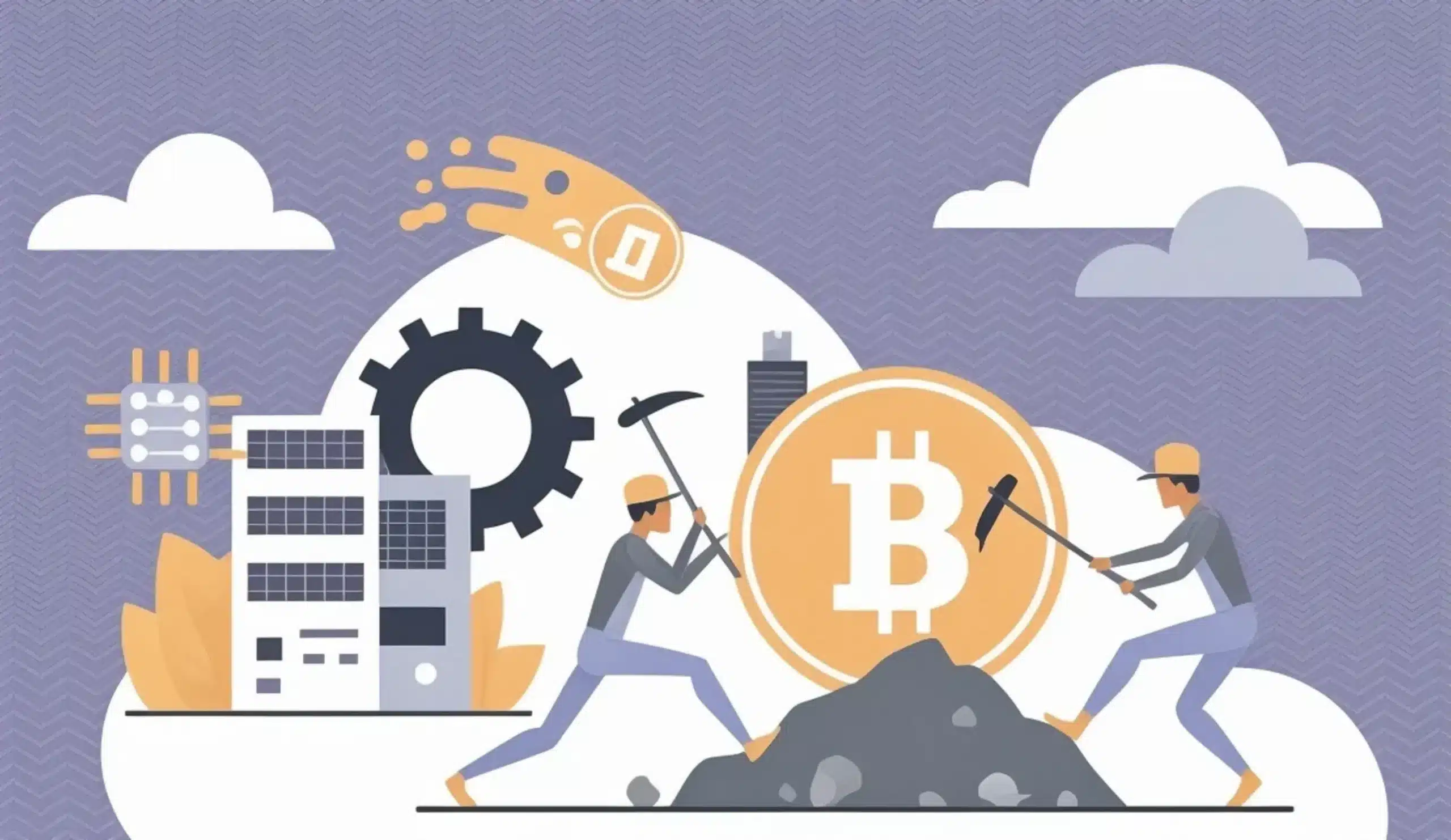
The integration of Bitcoin and AI advances presents an unprecedented opportunity to redefine economic stability. As we face evolving dynamics in the future economy, understanding these shifts is crucial for navigating the changing landscape.
Understanding Economic Stability Today
Economic stability is often defined as the absence of excessive fluctuations in the macroeconomy. In today’s context, this means maintaining consistent growth, low unemployment, and controlled inflation. Factors contributing to instability include unpredictable market behaviors, geopolitical tensions, and technological disruptions. Recent economic analyses suggest that changes in consumer behavior, driven by technology, are also significant factors contributing to economic instability, as seen during the COVID-19 pandemic.
As technology continues to evolve, its role in shaping economic conditions becomes more vital. The rise of digital currencies like Bitcoin and advancements in artificial intelligence (AI) are two technologies challenging traditional economic paradigms. For instance, as analysts highlight, innovative technologies are helping to create new economic opportunities, while simultaneously exposing vulnerabilities that could lead to unprecedented instability.
The Role of Bitcoin in the Future Economy
Bitcoin is revolutionizing how financial systems operate. Its decentralized nature allows transactions without the need for intermediaries, thereby increasing efficiency and transparency in financial transactions. The adoption of Bitcoin has implications for traditional banking systems by challenging their dominance and prompting them to adapt to new consumer demands. Additionally, recent movements in Bitcoin’s market, such as the significant transaction activity by major investment firms, signal possible rebalancing of investments towards cryptocurrencies, as reported by Coinfomania.
Furthermore, the emergence of decentralized finance (DeFi) has created new financial products and services that can potentially stabilize the economy. By enabling peer-to-peer transactions and lending, Bitcoin and similar cryptocurrencies provide alternative solutions for individuals and businesses, particularly in times of economic uncertainty. The current trends in Bitcoin adoption indicate a shift towards this more inclusive financial paradigm, which could serve to bolster economic stability.
AI Advances Shaping Economic Trends
Artificial intelligence is not just a buzzword; it is actively transforming various sectors of the economy. For example, AI applications in supply chain management enhance efficiency and reduce costs. This technology can predict demand more accurately, helping to mitigate economic fluctuations. Industries leveraging AI report improved operational stability, which translates to a stronger economy overall.
Several organizations are investing heavily in AI to enhance their predictive capabilities. These advancements allow companies to analyze massive datasets in real-time and make data-driven decisions that promote economic stability. According to crypto-economy.com, AI can detect patterns in complex data, indicating economic trends before they fully materialize. Such insights can help mitigate risks, making businesses better equipped to handle volatile markets.
Interplay Between Bitcoin and AI in Economic Stability
The convergence of Bitcoin and AI presents a unique opportunity for enhancing economic resilience. By harnessing the analytical power of AI, cryptocurrencies can become more stable as predictive models help anticipate market movements. For instance, AI can analyze social sentiment and global trends to inform Bitcoin’s pricing dynamics, promoting more stable market behavior.
However, challenges exist; regulatory uncertainties and technological barriers may hinder the full potential of this synergy. Additionally, the volatility of cryptocurrencies poses risks that must be addressed for broader adoption. Nonetheless, where successful integrations occur—such as platforms combining AI algorithms with blockchain technology—businesses may find new pathways to enhance their operational stability.

Adapting to New Economic Realities
As Bitcoin and AI reshape the economic landscape, individuals and businesses must adapt to thrive. Key actionable steps include educating oneself about these technologies and investing in digital literacy. Flexibility and innovation are critical in navigating the transitions these technologies bring.
Business strategies should focus on integrating Bitcoin payments alongside traditional revenue streams. For individuals, investing in educational resources related to AI and cryptocurrencies can translate to greater financial insights. The aftermath of economic disruptions is a test of adaptability, urging stakeholders to leverage both Bitcoin and AI to sustain economic stability.
Future Vision: Economic Stability Redefined
Envisioning a future economy enriched by Bitcoin and AI reveals significant potential for redefining economic stability. A world where cryptocurrencies serve as mainstream financial instruments, combined with AI-driven predictive analytics, may lead to a more balanced economic landscape. This integration could empower communities and individuals to better manage their finances, leading to improved overall stability.
As we look ahead, the implications for society are profound. Embracing technological advancements in finance and commerce is essential—for both businesses and individuals. Ultimately, understanding these innovations is key to not just surviving but thriving in the rapidly evolving economic environment.