The Hidden Truth About Tokenized Assets and Market Trends
We are witnessing a transformative shift in financial landscapes with tokenized assets, presenting unique opportunities for crypto investments. Understanding these shifts is pivotal right now, as they could redefine market trends and enhance financial inclusion for diverse communities.
Understanding Tokenized Assets Today
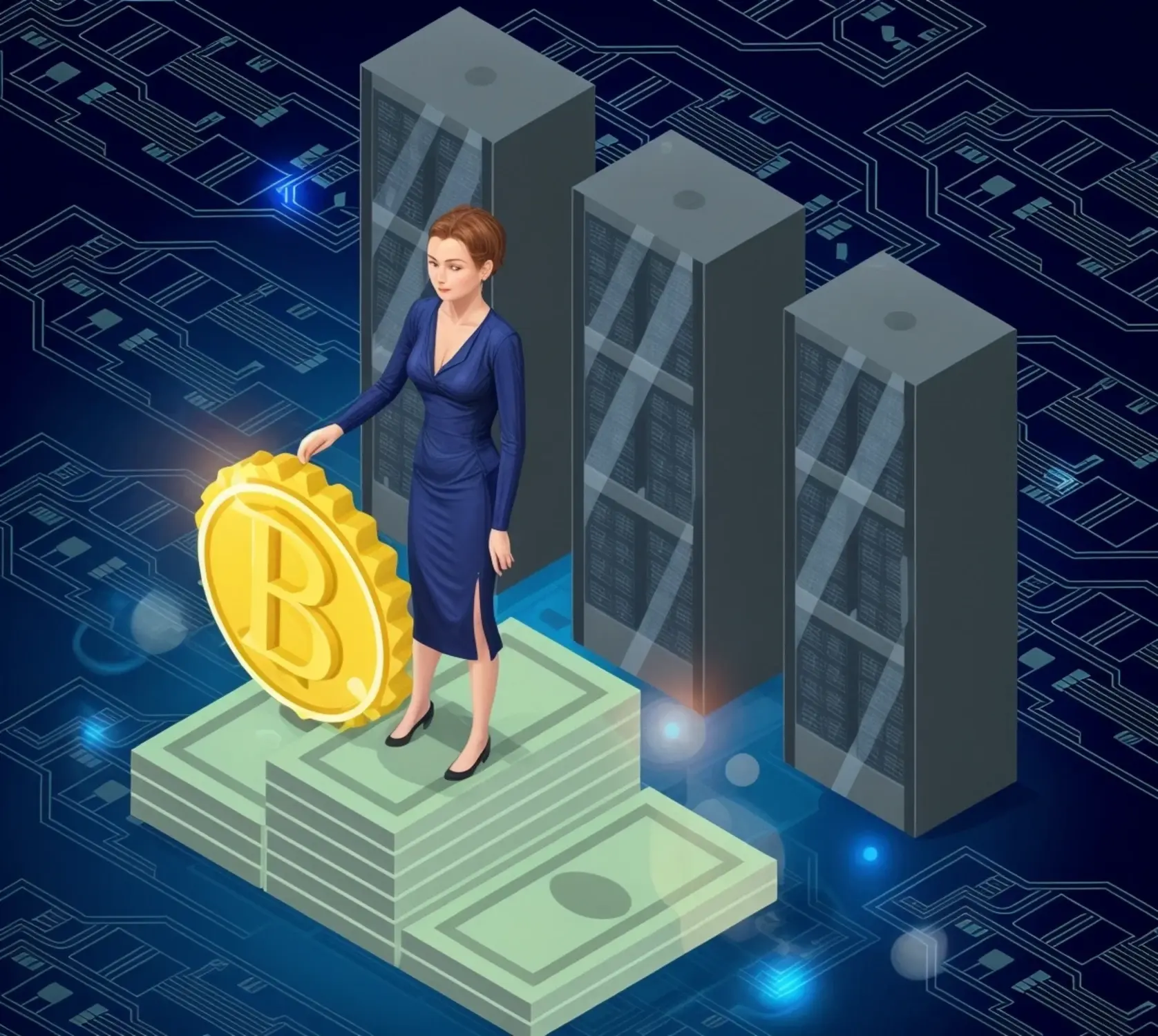
Tokenized assets represent a digital version of physical or financial assets that exist on a blockchain. This innovative development allows for fractional ownership, thereby facilitating investments in high-value items such as real estate, art, and private equity. Unlike traditional investments, tokenized assets can be traded 24/7 on various digital platforms, significantly enhancing liquidity. This is especially relevant in today’s financial landscape, where speed and accessibility determine investment potential.
The process of asset tokenization involves creating a digital token on a blockchain that represents a claim on the asset. For instance, real estate can be tokenized into multiple fractions, enabling investors to buy small shares rather than having to purchase entire properties outright. Beyond mere ownership, this approach introduces increased transparency and security, as all transactions are recorded on a distributed ledger. As highlighted in industry insights, blockchain technology plays a crucial role in ensuring the integrity and tracking of these transactions, thus further cementing the reliability of tokenized assets according to this analysis.
Current Market Trends in Crypto Investments
The dynamics of current market trends in crypto investments suggest a volatile yet rapidly evolving landscape. Recent analysis indicates that macroeconomic factors—such as inflation rates, interest rates, and regulatory changes—significantly affect market behaviors. Notably, the rise in institutional interest has brought a fresh wave of legitimacy and investment into the crypto sector. According to recent studies, institutional players are increasingly integrating digital assets into their portfolios, which has led many to speculate on the sustainability of market trends as per financial experts.
A highlight in this evolving landscape is the performance of certain tokenized assets. Assets like $RIO, which is affiliated with the Realio Network, particularly illustrate this trend. With its low market cap and strong community backing, $RIO has shown potential growth patterns, including a significant breakout that hints at possible price targets between $0.50 and $1. Such growth occurrences often mirror past cycles where low-cap altcoins experienced rapid increases during bullish market trends.
The Importance of Financial Inclusion
Tokenized assets serve as a significant avenue for promoting financial inclusion across various demographics and geographies. By enabling fractional investment, they open doors for individuals who may not have the financial capacity to engage in traditional markets. This democratization of assets can particularly benefit emerging markets, where access to investment opportunities is often limited.
For instance, projects leveraging tokenization often focus on underserved communities. Such initiatives not only provide investment opportunities but also facilitate economic development by building local ecosystems. For example, tokenized real estate projects allow investments from global markets into local communities, ensuring that the benefits of foreign investment circulate within the locality, thus further enhancing financial inclusion as noted in several initiatives.
Analyzing Recent Data and Technical Indicators
Understanding the trends for tokenized assets requires a clear analysis of technical indicators that guide investors’ decision-making. The Relative Strength Index (RSI) and Moving Average Convergence Divergence (MACD) are crucial tools in this regard. These indicators help in predicting market movements by providing insights into whether an asset might be overbought or oversold.
For instance, during periods of rapid price fluctuation, RSI levels can indicate potential entry or exit points for savvy investors. Historical price trends for assets like $RIO reinforce this analytical approach, suggesting that early indicators often precede significant upward price momentum. A notable study mentions that low-cap assets typically exhibit extreme volatility but also the potential for substantial gains, mirroring past trends in altcoins during bullish phases per findings in crypto analysis.

Actionable Steps for Investors
Investing in tokenized assets requires a strategic approach to mitigate associated risks while optimizing potential gains. Here are some actionable tips:
1. Conduct Thorough Research: Always ensure comprehensive understanding before investing in a tokenized asset.
2. Evaluate Technical Indicators: Utilize tools like RSI and MACD to assess market conditions.
3. Diversify Investments: Spread your investments across various assets to lower risk.
4. Stay Informed: Regularly update yourself on market trends and news that influence crypto.
Utilizing these strategies can position investors effectively within the evolving crypto landscape. Successful navigation hinges on adapting to continuous changes in the market environment.
Future Outlook for Tokenized Assets
The future of tokenized assets appears promising, especially as technology advances. Innovations in blockchain may lead to enhanced security features and user interfaces, making investing even more intuitive. According to trends in technology, we can also expect increased regulatory clarity, which could further legitimize these asset classes among traditional investors.
Long-term projections suggest that as adoption increases, tokenized assets could redefine how people view investments, potentially becoming mainstream financial instruments. However, investors need to develop strategies that enable them to navigate fluctuating market conditions continuously. The ability to adapt will likely determine future investment successes as more avenues for crypto investments emerge.
In conclusion, while skepticism about tokenized assets does exist, their potential for disrupting traditional systems cannot be overlooked as equity culture reshapes in our increasingly digital world.