Why AI Agents Are About to Change Everything in Crypto Payments
The integration of AI agents in the realm of stablecoins is set to transform crypto payments, making transactions faster, cheaper, and more secure. Understanding this shift is crucial for leveraging new digital currency technologies effectively in today’s fast-paced financial ecosystem.
Importance of Stablecoins in Modern Payments
Stablecoins play a pivotal role in modern payment systems by minimizing the volatility traditionally associated with cryptocurrencies. Unlike regular cryptocurrencies, which can experience sharp fluctuations, stablecoins maintain a stable value by pegging them to fiat currencies or commodities. This stability makes them more suitable for everyday transactions, ensuring that both businesses and consumers can engage in crypto payments without the fear of value loss.
For instance, using a stablecoin can eliminate the risk of sudden price drops, making it a safer and more reliable option for transactions. Businesses benefit significantly since they can receive payments in stablecoins without worrying about immediate conversion to fiat currencies. According to recent reports, stablecoins are increasingly seen as an essential bridge between traditional finance and the burgeoning world of cryptocurrencies.
In comparison to traditional fiat currencies, which usually involve bank fees and delays, stablecoins offer faster transaction speeds and lower costs. The ability to transact globally, instantly, and with minimal fees is especially beneficial for companies operating in multiple countries. Furthermore, consumers can easily use stablecoins for online purchases or remittances, bridging the gap between crypto and everyday financial activities.
The Rise of AI Agents in Financial Transactions
AI agents are revolutionizing payment processes by automating various functions that were once manual. These intelligent systems can handle everything from payment initiation to fraud detection, significantly streamlining the entire transaction experience. The introduction of AI agents minimizes human error, speeds up transactions, and lowers processing costs.
One notable example is the operational efficiency demonstrated by companies like Coinbase, where AI agents optimize user interactions with the platform. As technology advances, we can expect to see AI managing millions of individual transactions in real time, representing a significant shift in how transactions are processed. According to industry experts, AI can enhance transaction efficiency and reduce the average transaction cost substantially, making crypto payments an attractive option for consumers and businesses alike.
Current Landscape of Crypto Payments
The current landscape of crypto payments is marked by a diverse array of platforms facilitating transactions. Companies like Coinbase have significantly increased their user base, creating a more robust infrastructure for crypto payments. The adoption rates reflect a growing consumer preference for digital currencies over traditional banking, as many users find crypto transactions to be quicker and more straightforward.
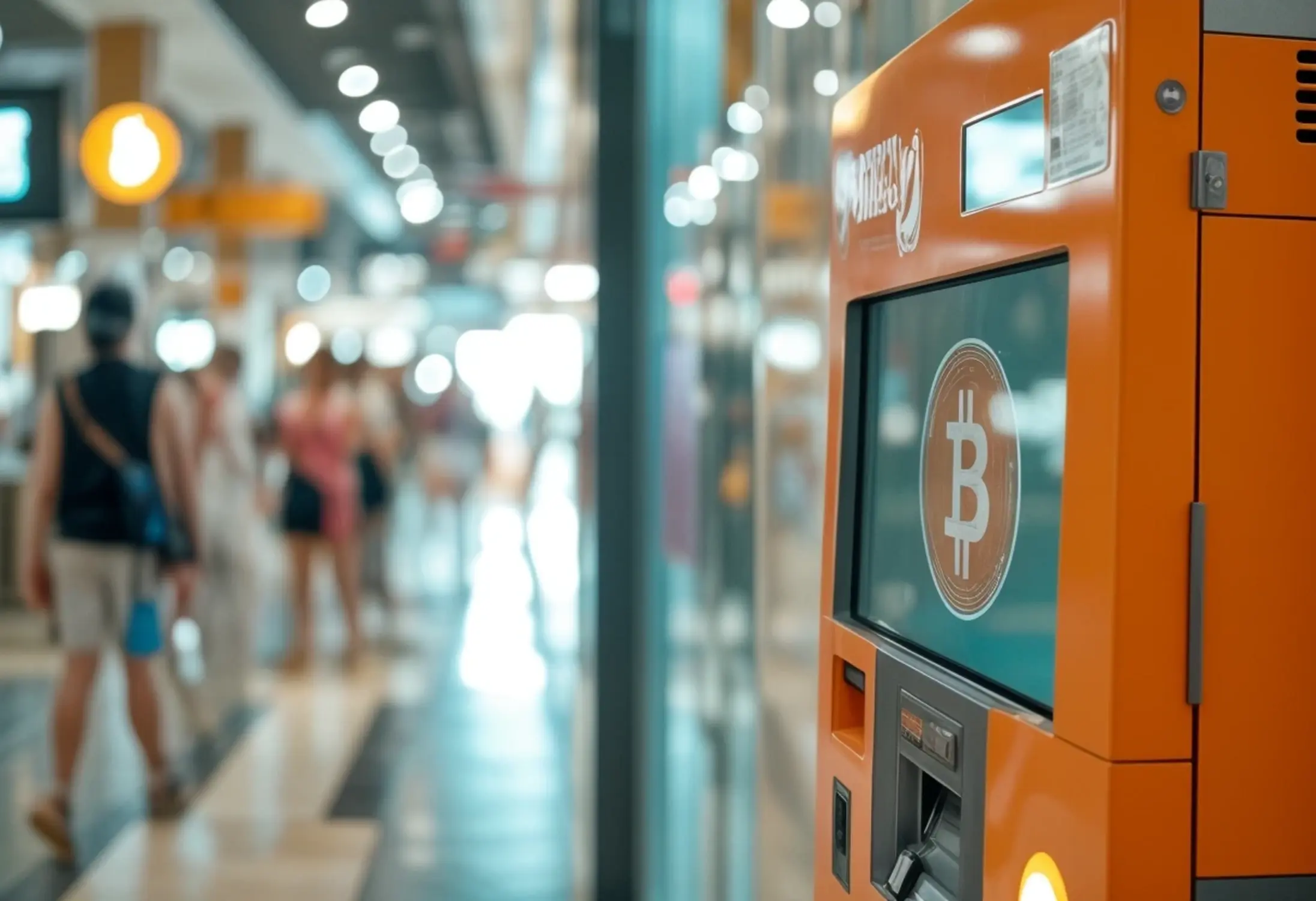
Studies indicate that an increasing number of consumers are opting for crypto wallets instead of traditional bank accounts. The flexibility and ease of use offered by crypto systems are critical drivers of this trend. For instance, many users appreciate the ability to make transactions at any time without relying on third-party intermediaries. As noted in a recent article, even major players like Visa are recognizing this shift and adapting their strategies to accommodate the rise of crypto payments.
Machine-to-Machine Payments and Blockchain
Machine-to-machine payments represent a groundbreaking development as they utilize blockchain technology in conjunction with stablecoins. This system allows automated transactions between devices, making operations more efficient in various sectors, including autonomous vehicles and smart cities. The advantages of blockchain, such as transparency, security, and instantaneous processing, further enhance the functionality of machine-to-machine payments.
With the rise of IoT devices, we can expect autonomous payment systems to extend beyond traditional use cases, bringing about significant changes in industries such as logistics and healthcare. As transactions become more autonomous, businesses will have the opportunity to innovate further and create new value streams. The potential for machine-to-machine payments is immense, and paving the way for an interconnected financial ecosystem is critical.

The Competitive Edge of AI and Stablecoins
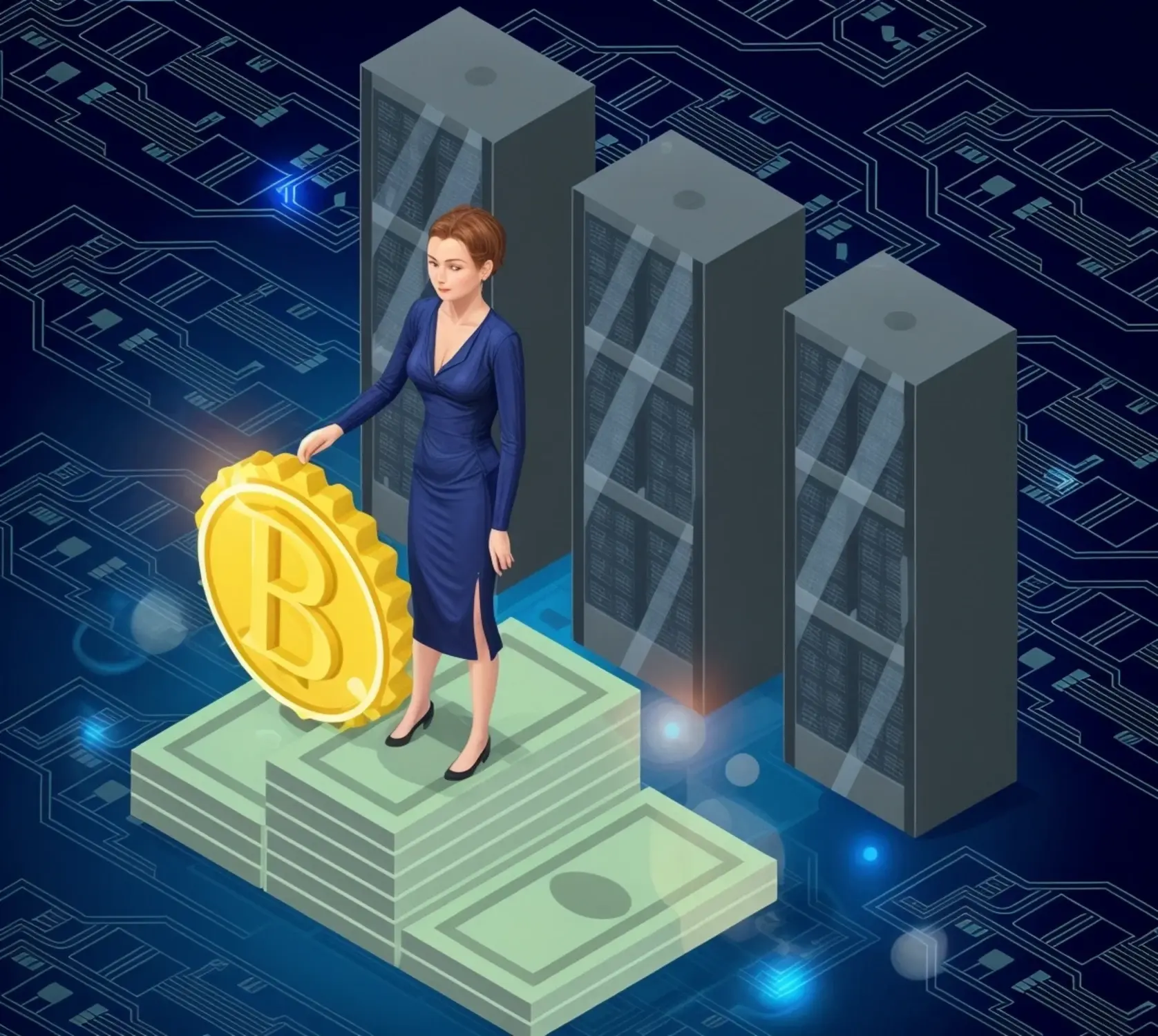
The integration of AI technologies greatly enhances the functionality of stablecoins, giving them a competitive edge in the digital currency market. AI can optimize the execution of stablecoin transactions, analyzing data to provide real-time insights and predictive analytics. This capability can enhance user experiences and elevate transaction security levels.
Case studies on successful AI and stablecoin integrations demonstrate the promising future of these technologies in finance. For example, ongoing innovations in automated trading bots leverage AI to analyze market trends and execute trades on behalf of users, benefiting from the stability of stablecoins to reduce risk while maintaining reward potential.
The implications for payment providers like Visa and Mastercard are profound. They must adapt to the evolving landscape where customers increasingly demand faster, safer, and more efficient service. Those who embrace AI and stablecoins will likely emerge as market leaders.
What This Means for the Future of Payments
The future of payments is poised for significant transformation, largely due to the synergy between AI agents and stablecoins. Payments are expected to become more efficient, secure, and personalized. As businesses begin to adopt these technologies, we will see a trend toward more tailored payment solutions that cater to individual consumer preferences and needs.
Adapting to this new climate will be crucial for businesses wanting to remain competitive. Embracing AI and stablecoins will not only enhance operational efficiencies but also improve customer engagement and satisfaction. Organizations that invest in these technologies will likely see superior returns in terms of user loyalty and increased engagement.
Predictions point towards a future where digital currencies dominate the marketplace, potentially leading to the obsolescence of traditional banking methods. With innovations continually reshaping consumer behavior, understanding these changes will be essential in navigating the ever-evolving financial architecture.