Why Grinex’s Suspension Signals a Shift in Crypto Market Stability
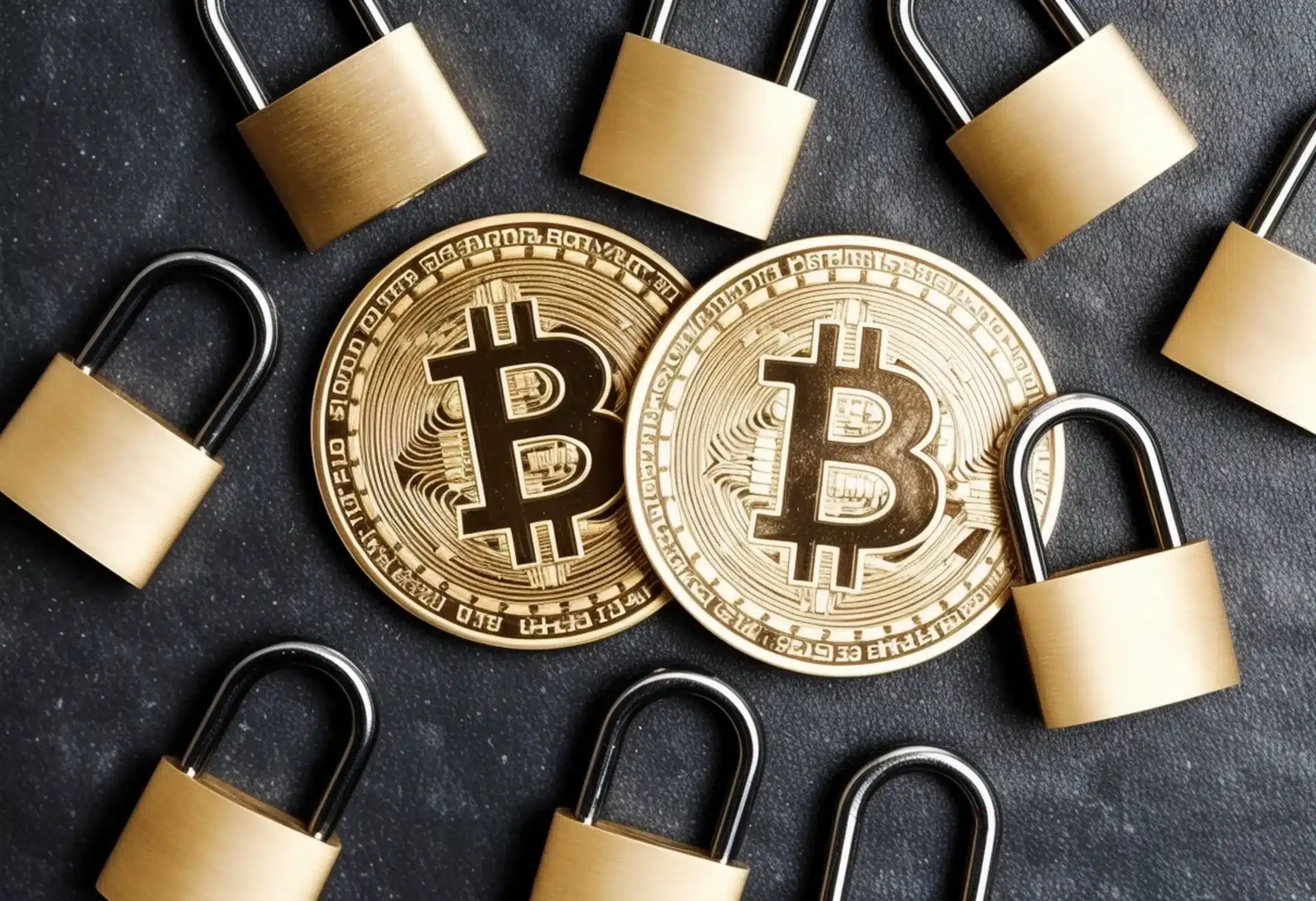
As the cryptocurrency exchanges face increasing cybersecurity threats, Grinex’s suspension is a wake-up call for investors and traders alike. It reveals the fragility of crypto market stability and the potential ripple effects in the global financial landscape.
Understanding Cryptocurrency Exchanges Today
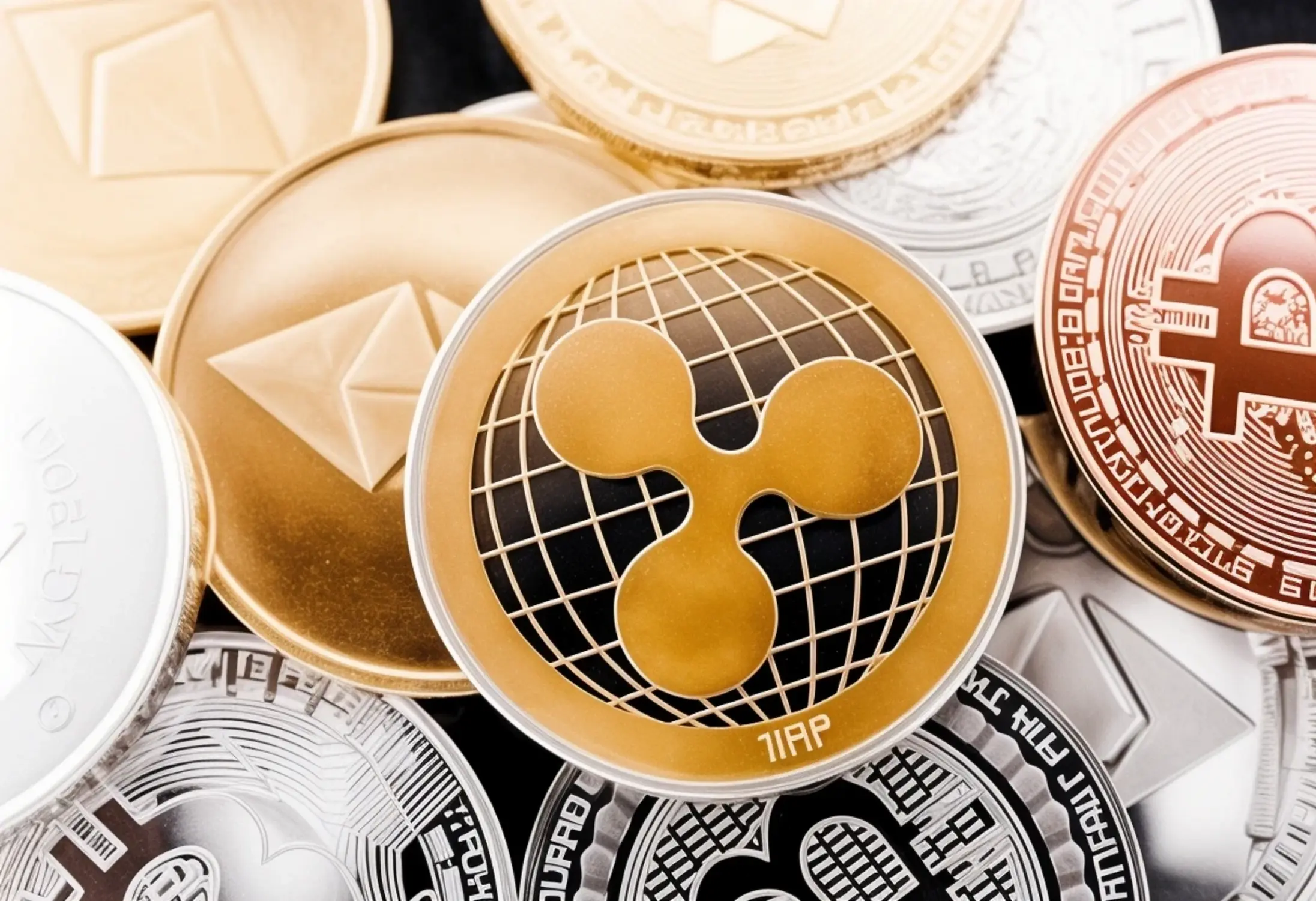
The landscape of cryptocurrency exchanges has evolved significantly, with a multitude of platforms available to facilitate the buying, selling, and trading of digital currencies. Major players such as Coinbase, Binance, and Kraken dominate this space, handling billions in transactions daily. Each exchange operates under different regulatory frameworks, impacting their services and security protocols.
Recent trends indicate a shift towards greater regulatory oversight, especially in light of increasing security incidents. For instance, the U.S. government is scrutinizing exchanges more closely to ensure compliance with anti-money laundering (AML) and know-your-customer (KYC) regulations. According to analysis by The Economic Times, these changes are necessary as the amount of illicit activity on exchanges rises. Furthermore, the push for transparency is also due to the heightened risk of cyber threats, revealing that operational intricacies of exchanges could dramatically affect market stability.
Grinex’s Suspension and Its Implications
Grinex, a cryptocurrency exchange linked to Russia, has recently suspended operations following a significant cyber attack where assets worth 1 billion roubles (approximately $13.10 million) were stolen. The exchange suggested that foreign intelligence services orchestrated the attack, indicating a troubling new dynamic in cyber threats within the crypto market.
This incident serves as a critical reminder of how exposure to cyber risks can disrupt not just individual exchanges but also the broader financial ecosystem. The suspension has raised alarms about potential vulnerabilities that other platforms may have. If exchanges are susceptible to such sophisticated attacks, investors may need to reevaluate where and how they store their assets. As industry experts note, the current situation implies that rapid systemic changes within exchanges are required to protect against similar threats in the future.
Cybersecurity Challenges in the Crypto Sphere
The growing cybersecurity threats faced by cryptocurrency exchanges underline a fundamental weakness in their operational frameworks. Security incidents have become alarmingly frequent, with various exchanges experiencing breaches that result in significant asset losses. Recent reports indicate that hacking attempts have surged, creating an environment of anxiety for investors and traders alike.
Here are some key statistics highlighting these threats:
– Research shows that crypto exchanges experience up to 30% more cyber attacks compared to conventional financial institutions.
– A survey indicates that over 60% of crypto traders expressed concerns regarding the security of their chosen platforms.

These vulnerabilities are unique to cryptocurrency platforms, resulting from the decentralized nature of digital currencies, which often operate without traditional oversight. Furthermore, the speed at which transactions are processed can hinder security measures.
The Role of Government Regulations
Government regulations are increasingly influencing cryptocurrency operations. In recent months, sanctions imposed by the US, UK, and EU have significantly impacted the activities of exchanges, especially those with ties to rogue states or illicit activities. The sanctions limit various operations, pushing exchanges to enhance their compliance mechanisms.
For example, U.S. sanctions against Grinex highlight the geopolitical factors at play and how they can inhibit market participants. Exchanges facing trade restrictions may encounter severe operational disruptions, drawing attention to the interconnectedness of regulation and market stability. With authorities ramping up scrutiny, exchanges must adapt to a constantly evolving regulatory landscape, potentially affecting operational freedoms.
Lessons from Grinex for Crypto Traders
Traders can glean several lessons from Grinex’s operational suspension. Firstly, understanding the inherent risks associated with cryptocurrency exchanges is paramount. It serves as a cautionary tale about the importance of diversifying trading practices to mitigate vulnerabilities. Relying solely on one exchange, as seen in Grinex’s case, can expose traders to unnecessary risks.
Strategies to consider include:
1. Using Multiple Exchanges: Spread assets across various platforms to reduce reliance on a single exchange.
2. Regularly Monitoring Security Practices: Ensure that the chosen exchange implements robust security measures, such as two-factor authentication (2FA) and cold storage for assets.
3. Staying Informed: Keeping abreast of industry developments and regulatory changes can preempt potential vulnerabilities.
Future of Market Stability Amid Cyber Risks
Looking forward, the future of market stability will likely be shaped by the cybersecurity landscape. As incidents like Grinex’s suspension unfold, stakeholders must acknowledge the urgent need for improved security protocols across exchanges. Exposing vulnerabilities can prompt broader discussions about the implications for investors, regulators, and industry stakeholders. The potential for greater regulation in response to cybersecurity threats seems probable, leading to more stringent requirements for exchanges.
Moreover, as the digital asset market evolves, platforms will need to adapt and strengthen defenses against cyber threats to retain user trust. For industry participants, understanding these shifts will be crucial in navigating the complex waters of cryptocurrency trading. Embracing enhanced security measures is not merely an option but a necessity for sustained market confidence.