The Hidden Truth About Web3 and Its Impact on Gaming Communities
The rise of Web3 technology is reshaping gaming communities, fundamentally altering ownership, engagement, and innovation. As nerd culture embraces decentralized platforms and AI, understanding these shifts now is crucial for players and developers alike.
The Importance of Decentralization in Digital Gaming
Decentralization fundamentally transforms the relationship between players and games. Unlike traditional gaming models, where developers hold all the power, Web3 enables users to own, trade, and develop digital assets. This shift empowers players to influence game development actively and build more vibrant communities.
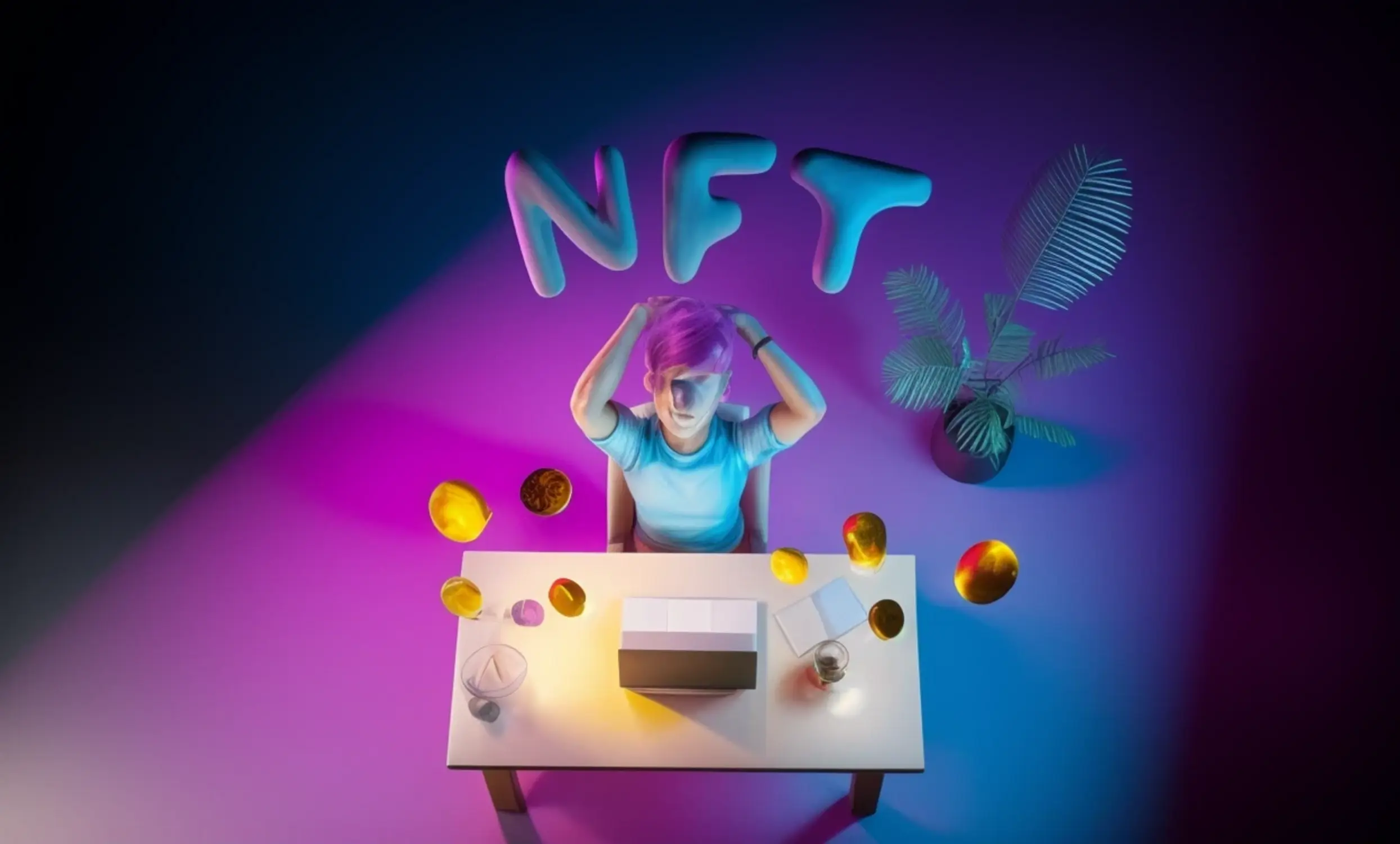
For instance, users can actually own in-game items through non-fungible tokens (NFTs), directly impacting their value without a centralized authority dictating terms. Moreover, platforms like Nerd AI enhance user experiences by providing personalized interactions, thus making engagement more meaningful for gamers. According to a recent analysis, this evolution ushers in an era where gamers have a stake in the digital economy.
The Empowerment of Users in the Age of Web3
As the Web3 landscape develops, player ownership leads to increased innovation. In a decentralized framework, users are more likely to collaborate on projects, resulting in games that better reflect community interests and desires. Such collaboration is essential for driving continuous growth and engagement in gaming communities.
Current State of Gaming in the Era of Web3
The transition from traditional gaming to Web3 is already underway, characterized by the integration of decentralized technologies. Many developers are crafting games using blockchain technology to facilitate asset ownership, allowing players to make real-world profits from virtual achievements. Not only does this change the game economics, but it also enhances user engagement through greater involvement in game development.
The launch of tools such as NerdBot has further revolutionized how players interact with games. By utilizing AI, this tool personalizes player experiences and fosters deeper community connections. In fact, statistics indicate that the Web3 in Gaming market is projected to eclipse $131 billion by 2034, highlighting the immense growth potential in this sector as per industry reports.
The Transition to New Formats
From multiplayer online battle arenas to immersive role-playing games, Web3 is reinventing gameplay mechanics. Developers are leveraging decentralized platforms, ensuring that gamers not only participate but also contribute to their preferred gaming experiences. This evolution shifts the focus from merely consuming content to actively creating and participating, which is vital to engaging modern gamers.
Engaging Communities Through AI and New Platforms
Artificial Intelligence plays a pivotal role in enhancing community collaboration within gaming. With tools like Discord, gaming communities can unite, share ideas, and create innovative content more efficiently. These platforms have become essential for fostering creativity and engagement, as they provide a space for voice communications and idea exchanges.
The integration of AI tools helps in analyzing user behavior, allowing developers to adapt and refine features. For gamers, understanding how to utilize these platforms and leverage AI becomes crucial for maximizing their experience. Examples of successful community-focused projects illustrate how engagement can lead to real outcomes—not just in gameplay but in creating shared narratives among players.
The Market Dynamics of Web3 Gaming
Understanding the market dynamics of Web3 gaming reveals the strategic advantages it holds over traditional models. Key players, from indie developers to massive corporations, are seizing opportunities to innovate and diversify their offerings. This creates a competitive landscape where community engagement directly influences the sustainability of projects.
With major industry shifts on the horizon, communities that keep pace with innovations in Web3, such as asset ownership concepts, will likely thrive. As project contributors and community members, players have a significant impact on how these games evolve, making their involvement essential.

The Future of Gaming: What Nerds Should Know
As we anticipate further shifts toward Web3 technologies, it’s essential for gamers to stay informed and proactive. Understanding the implications of these changes goes beyond merely playing games: it encompasses engaging with technologies, sharing knowledge, and building stronger networks.
Gamers can prepare by exploring decentralized platforms, participating in community discussions, and learning about emerging tools. Increased use of AI in gaming suggests exciting advancements in layout, graphics, and player agency, inviting nerds to delve into how these technologies can enhance their gaming experiences.
Taking Action in Evolving Gaming Communities
To advance together in this burgeoning era of gaming, it’s time to explore and actively engage with Web3 projects. For nerds passionate about gaming, using tools like Nerd AI and community platforms is key to shaping the future. By contributing ideas, testing new features, and sharing insights, they can help mold the gaming landscape into something remarkable.
In summary, the shift toward Web3 represents a monumental change in gaming dynamics. It emphasizes community involvement and digital ownership while showcasing the potential innovations fueled by AI. As players navigate this evolution, embracing these technologies can lead to truly enriching gaming experiences.