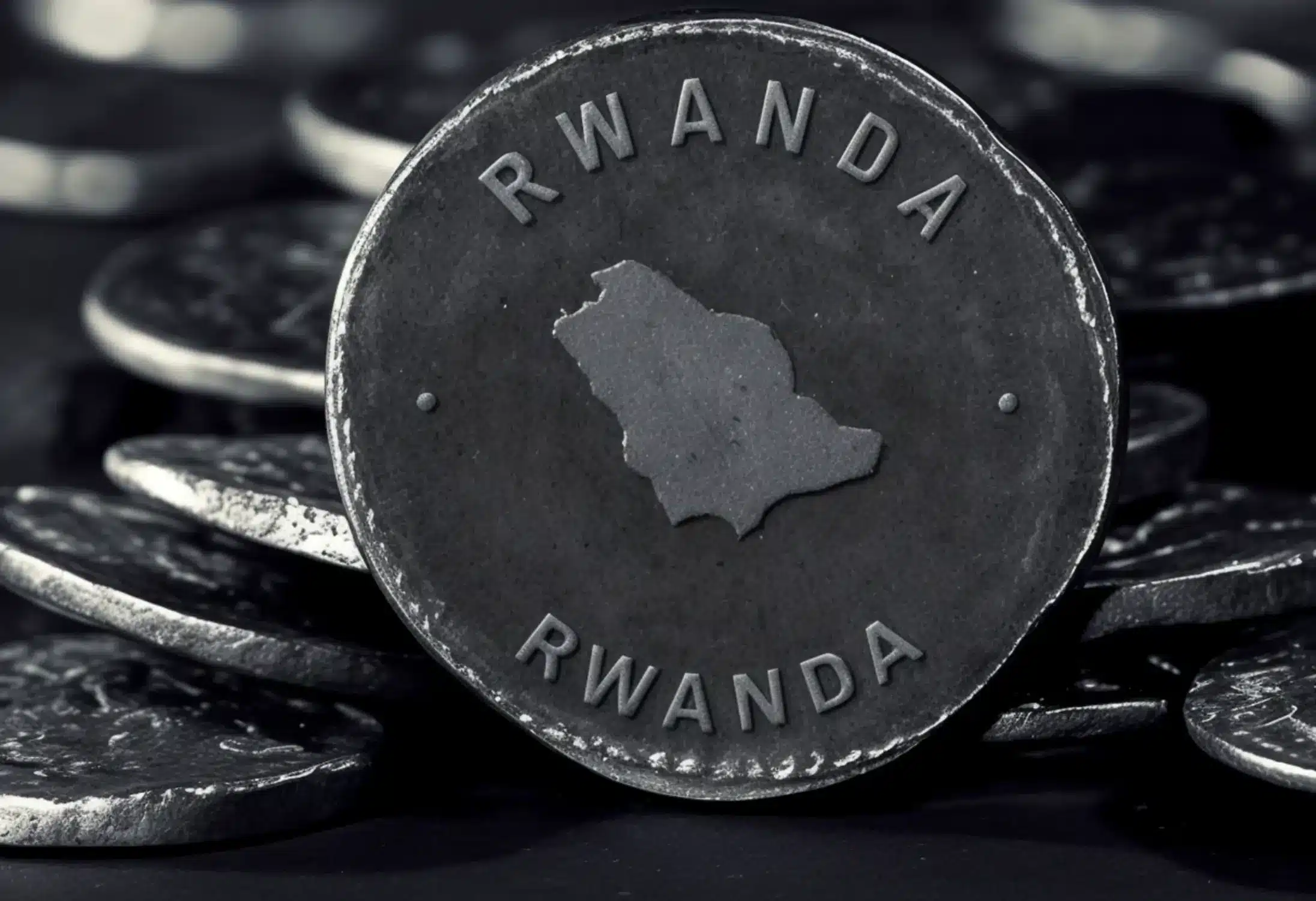
Why Stablecoins Are About to Change Everything in Africa’s Economy
As Africa navigates economic instability, stablecoins emerge as a vital tool for enhancing financial inclusion and stability. Their adoption can transform transactions, providing more reliable options to combat currency volatility and fostering a digital economy that empowers millions.
Understanding the Shift to Stablecoins in Africa
Stablecoins are digital currencies designed to maintain a stable value relative to traditional fiat currencies, making them an attractive option for users in regions facing significant economic fluctuations. In Africa, the adoption of stablecoins is driven primarily by ongoing challenges such as inflation, limited access to stable foreign currency, and the need for efficient financial systems. Countries like Nigeria and Kenya are leading the charge, leveraging stablecoins to enhance financial transactions and economic participation. Recent reports highlight that Nigeria is experiencing a rapid increase in the usage of stablecoins, fueled by a population that seeks alternatives to their national currency’s instability, which has seen drastic depreciation. As an example, a study revealed that the stablecoin market is now worth approximately $300 billion, indicating substantial interest and potential growth across the continent.
Currency Volatility and Financial Instability Concerns
Africa’s economic landscape is heavily marked by currency volatility, which leads to inflation and overall financial instability. These issues severely impact businesses and everyday consumers. The depreciation of local currencies complicates trade, making goods and services more expensive. In response, many Africans are turning to stablecoins as a viable alternative. By pegging value to stable assets, stablecoins mitigate the risk of currency fluctuations. This shift offers hope for individuals and enterprises alike who have historically struggled with costs driven by inflation. For instance, as noted in previous analyses, dollar-denominated stablecoins account for about 99% of the stablecoin market, which underscores their importance in regions like Africa where local currencies are less reliable.
The Role of Digital Currency in Africa’s Economic Landscape
Digital currencies, especially stablecoins, have the potential to reshape local economies and financial systems. By enabling seamless transactions across borders, they reduce barriers to trade and foster more inclusive economic participation. Stablecoins facilitate direct payment systems, which enhance accessibility for people without traditional bank accounts. For example, solutions emerging from Kenya illustrate how stablecoins assist in remittances, enabling faster and cheaper transfers that directly benefit families and local economies. These strands of evidence collectively suggest a promising future for digital currency in Africa, where traditional banking infrastructures often falter.

Risks and Challenges of Adopting Stablecoins
However, the adoption of stablecoins is not without its challenges. A significant concern is the potential for dollarisation, where economies become over-reliant on a foreign currency, undermining monetary sovereignty. The implications of this shift can complicate local fiscal policies and reduce the autonomy of national central banks. Furthermore, many regions face obstacles such as regulatory uncertainty and lack of technological infrastructure. Balancing the benefits of using stablecoins against these risks is crucial; isolated use can disrupt local economies rather than contribute to stability.
Risk Management Strategies for Stablecoin Utilization
To successfully leverage stablecoins, various effective risk management strategies should be employed. First, promoting financial literacy among users can empower them to understand both the benefits and pitfalls of stablecoins. Additionally, implementing tools and platforms that enable secure transactions is vital. Initiatives aimed at educating users include workshops on crypto-assets and online resources that clarify how stablecoins work. Emphasizing a strategic approach can help mitigate risks while ensuring that the opportunities provided by stablecoins are fully realized.
Future of Financial Stability Through Stablecoins
Looking ahead, projections indicate that stablecoin adoption will continue to rise, significantly influencing Africa’s economic landscape. The potential development of local stablecoins could fuel innovation within the financial sectors of various African nations. Policymakers and businesses must adapt to these changes, creating regulatory frameworks that support sustainable growth while safeguarding against the risks mentioned previously. By anticipating the transformative effects of stablecoins, stakeholders can prepare for a more stable financial future.
Promoting Local Solutions Through Crypto Assets
Encouraging the development of homegrown financial solutions is essential for ensuring that Africa’s economies can thrive in a digital age. Numerous successful local crypto projects serve as inspiring examples of innovation driven by African talent. Moreover, establishing robust regulatory frameworks will be crucial in fostering an environment that supports sustainable growth and mitigates inherent risks. The emerging landscape of crypto assets offers a unique opportunity for Africa to enhance its economic resilience amid ongoing challenges.