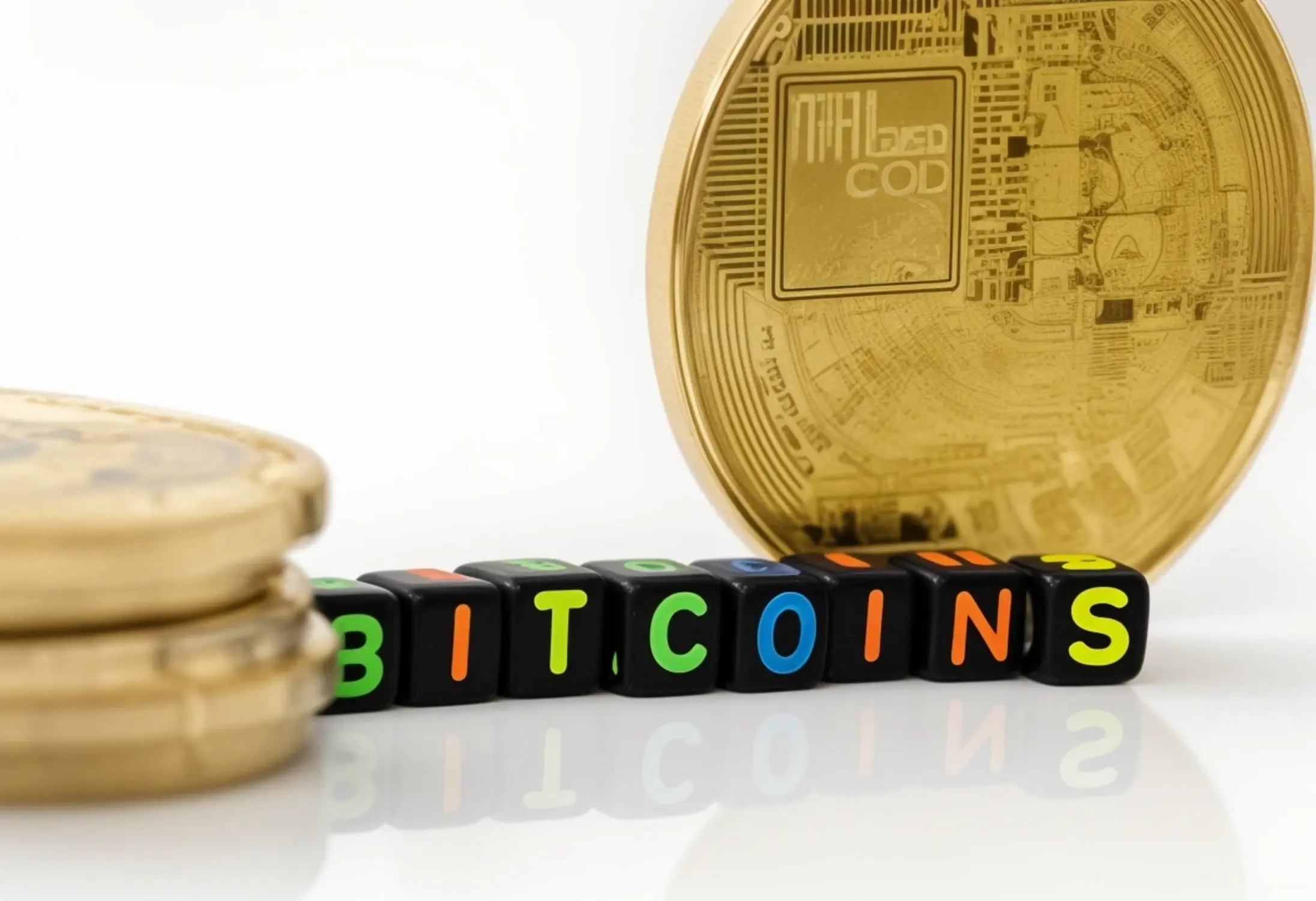
How Investors Are Using Blockchain Innovation to Drive Digital Assets Growth
In the evolving landscape of finance, understanding crypto payments trends in 2026 is essential for any investor looking to leverage digital assets. By harnessing blockchain innovation, investors not only identify new opportunities but also help drive the value of these rapidly growing assets. Staying informed about these trends ensures that decisions made today can yield substantial returns tomorrow.
Understanding the Importance of Blockchain in Finance
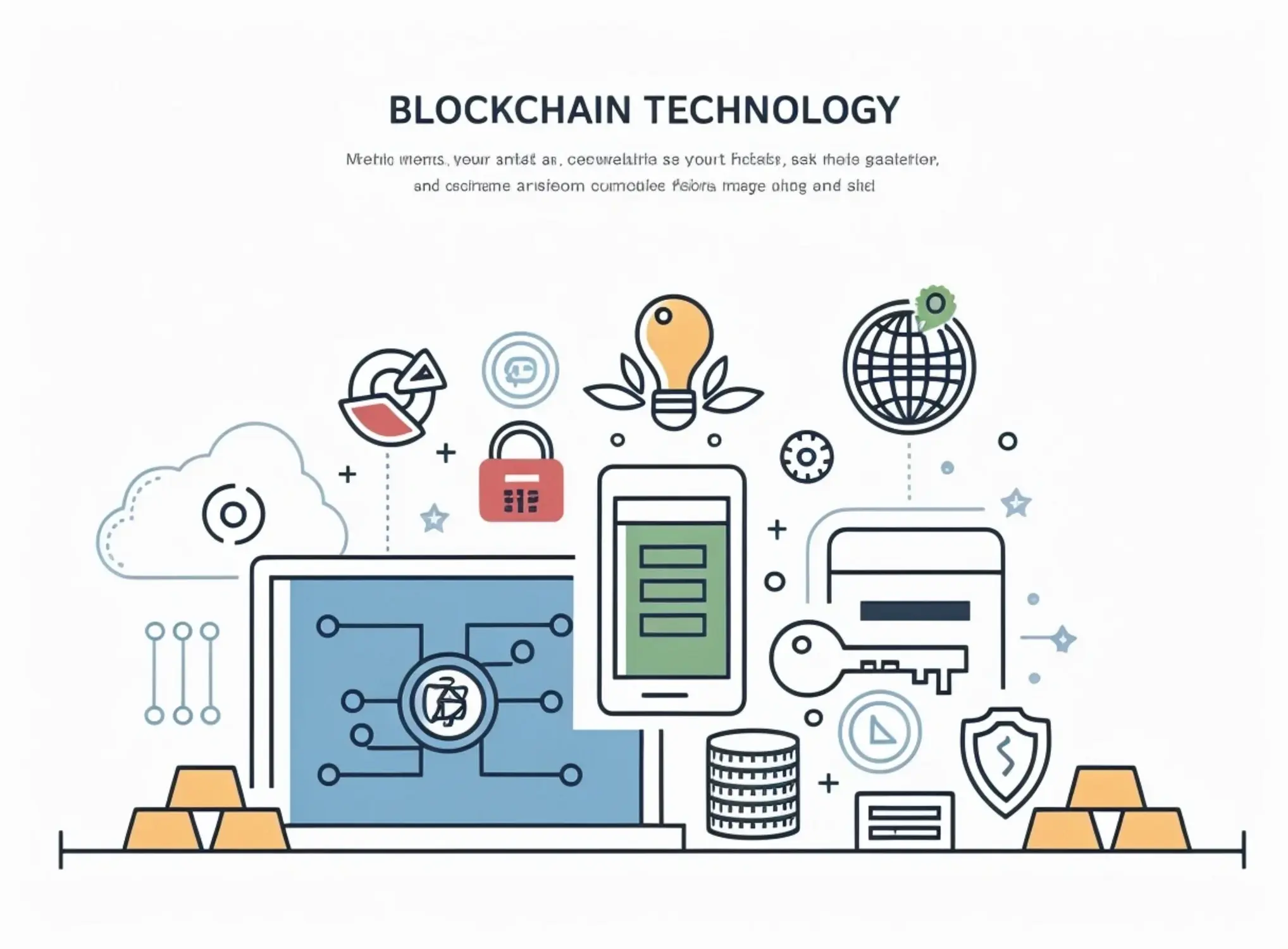
Blockchain technology plays a pivotal role in reshaping the financial ecosystem. By providing a decentralized ledger, it enhances transparency and security, minimizing the risks inherent in traditional payment systems. This technological shift is pivotal as it reduces the costs associated with transactions and expedites processing times.
Moreover, the rise of digital currencies is redefining economic interaction. Investors are increasingly recognizing the potential of cryptocurrencies to serve as a legitimate asset class. According to recent insights, blockchain innovation offers fertile ground for new investment strategies, creating avenues for revenue that were previously inconceivable in conventional finance.
In the world of crypto transactions, this reshaping offers lucrative opportunities for investors willing to adapt. Innovators in this space are paving the way for a more efficient financial landscape—one where transactions can occur seamlessly across borders without the need for intermediaries.
Critical Crypto Payments Trends for 2026
As we approach 2026, several key trends are anticipated to shape the future of crypto payments:
– Increased Adoption of Central Bank Digital Currencies (CBDCs): Governments around the globe are exploring or piloting CBDCs, which could streamline transaction systems and enhance monetary policy.
– Growing Integration of Payment Systems: Major financial institutions are adapting to accept cryptocurrencies, as seen in initiatives like Mastercard’s recent expansion into the realm of crypto, representing a significant endorsement of digital assets in the mainstream financial system. As industry experts note, such integrations are crucial for enhancing user confidence.
– Emergence of Decentralized Finance (DeFi): DeFi continues to grow, allowing individuals to lend, borrow, and trade without intermediaries, thus making transactions more efficient and cost-effective.
These trends are set to impact how investors approach the digital assets landscape. By understanding them, investors can strategically position themselves to capitalize on the evolving market.
Current Trends in Investors’ Approaches to Crypto Transactions
Investor sentiment towards cryptocurrencies is steadily shifting. Recent data indicate a rise in transaction volumes and a diversification of investment portfolios. Investors are no longer just speculators; they are integrating cryptos as fundamental components of their strategies.
This transformation reflects a heightened understanding of the risk-reward dynamics present in today’s crypto market. With a plethora of options available—from Bitcoin to emerging altcoins—investors are actively evaluating potential returns against risks. Moreover, the importance of due diligence has never been greater; understanding the underlying technology and market forces is crucial for success in this space.
Through strategic investments, individuals can navigate the volatility typical of crypto markets. By pairing strong market analysis with historical data, an investor can mitigate risks while aiming for substantial rewards.

The Role of Innovation in Driving Digital Asset Adoption
Innovation within blockchain technology is a driving force behind the increasing acceptance of digital assets. Innovations aimed at improving transaction speeds and efficiencies are crucial for fostering a broader trust in cryptocurrencies.
For instance, platforms that allow for instant transactions are attracting more users and, consequently, more investors. Successful case studies highlight innovations that have reduced average transaction times from hours to mere minutes. This rapid enhancement in service delivery positions crypto as a more viable option for everyday transactions.
As more innovations emerge, they serve as catalysts for investor engagement. With each enhanced application, confidence in the sustainability of digital assets grows, leading to broader adoption across various sectors.
Strategic Considerations for Investing in Digital Assets
Investing in digital assets requires a methodical approach. Investors are advised to conduct thorough research before diving in. Understanding market dynamics, volatility, and the unique aspects of blockchain technology can significantly bolster decision-making.
Moreover, risk management strategies are essential in today’s volatile landscape. By setting clear investment goals and employing tools such as stop-loss orders, investors can protect themselves from significant downturns. Certain resources—like blockchain analytics platforms—provide valuable insights to navigate market trends effectively.
As more tools become available, they empower investors to make data-driven decisions. This trend highlights a gradual shift toward informed investing rather than speculative trading.
Future Outlook and Areas for Focus in Digital Finance
The future of digital finance appears bright, with emerging opportunities within the blockchain ecosystem. Innovations are expected to continue at a rapid pace, redesigning the future of transactions and interactions.
However, regulatory considerations also play a crucial role in shaping the landscape. As governments evolve their policies regarding cryptocurrencies, potential impacts on investor strategies are likely to arise. Keeping an eye on global regulatory changes is vital for investors looking to protect their interests and capitalize on new opportunities.
Investors should focus on areas such as DeFi, CBDCs, and tokenization. These sectors are poised to propel growth and provide significant opportunities for return on investment in the coming years.
By remaining proactive and informed, investors can leverage blockchain innovation to stay ahead in the competitive digital assets market.