How Luxury Brands Use Blockchain Tags to Combat Counterfeiting Effectively
As luxury brands navigate a rapidly evolving market, effective solutions such as blockchain tags emerge as vital tools in the fight against counterfeiting. This innovative technology not only enhances product authenticity but also fosters consumer trust, making it essential for brands to adapt swiftly to these advancements.
Addressing the Escalating Issue of Counterfeiting
Counterfeiting in the luxury market is a growing concern, leading to substantial financial losses and damage to brand reputation. According to a report by the OECD, the counterfeit market is now recognized as the biggest illicit trade globally, with an estimated worth of $464 billion annually, impacting the luxury sector significantly. These losses do not solely affect the financial stability of brands; they also diminish consumer trust. When consumers cannot confidently identify legitimate luxury goods, their purchase decisions are influenced by uncertainty, which can sway them toward cheaper, counterfeit alternatives.
The pervasive threat of counterfeit luxury goods necessitates that brands implement robust measures. As the industry grapples with this challenge, utilizing blockchain tags presents a strong solution. These tags not only authenticate products but also empower brands to uphold their reputation and maintain consumer trust, pivotal in an environment rife with imitation.
Importance of Tags in Ensuring Authenticity
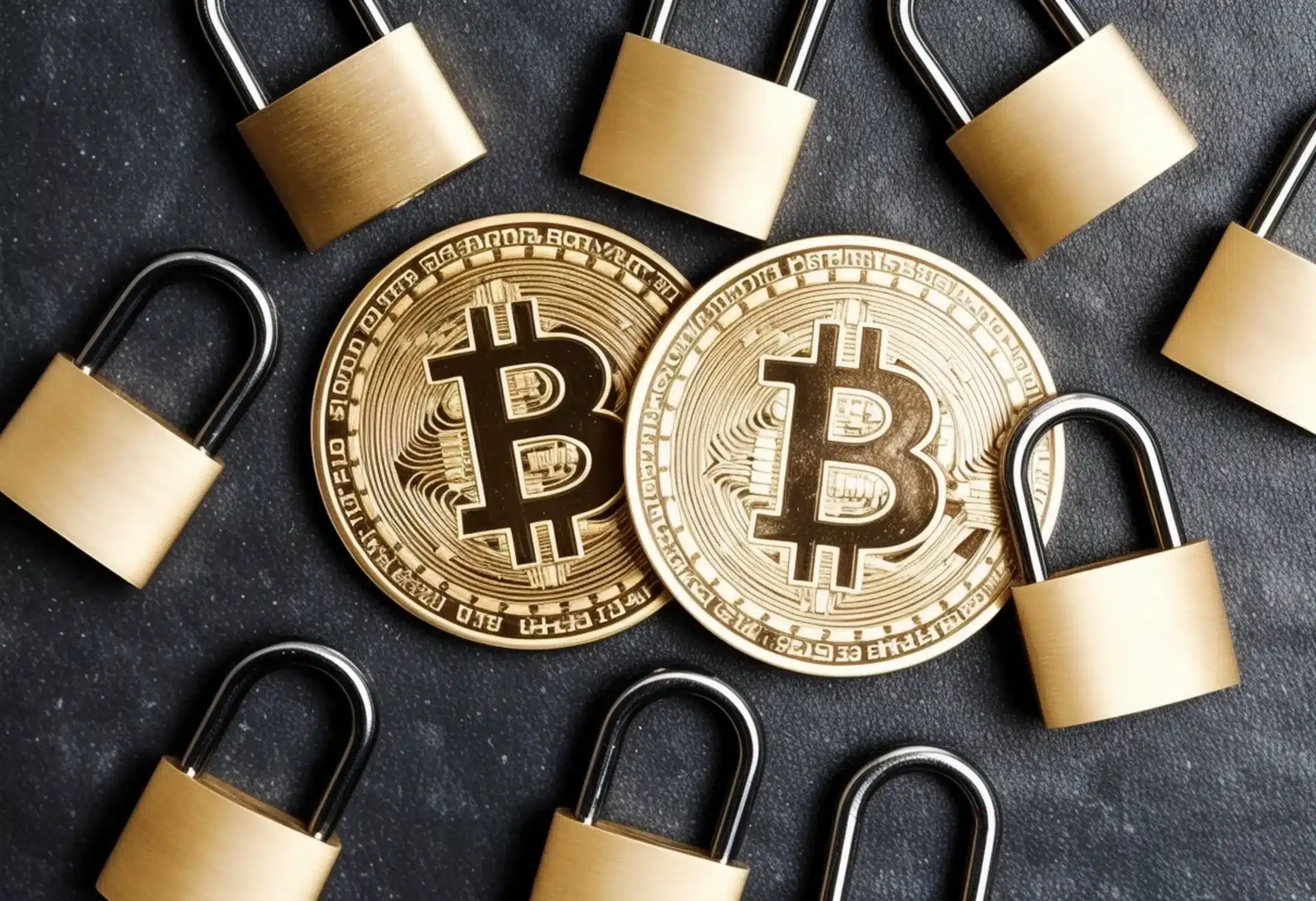
Blockchain tags serve as digital fingerprints for luxury goods, offering substantial proof of authenticity and ownership. Unlike traditional labels, which can be replicated easily, blockchain tags utilize immutable ledger technology to create a permanent record of a product’s journey, from manufacture to sale. This technology provides consumers with a high level of assurance regarding the authenticity of their purchases.
As consumers become increasingly aware of counterfeit risks, knowing their products are secured by blockchain technology fosters greater confidence. Research indicates that consumers are willing to pay a premium for verified authenticity, partly because it aligns with their desire for sustainable and ethical purchasing practices. As highlighted in a study by PWC, there is a marked willingness to forgo cheaper alternatives in favor of proven authentic options, driven by consumer values towards sustainability and integrity.
How Blockchain Enhances Transparency
Blockchain’s immutable ledger supports full traceability of luxury products. This characteristic allows customers to access detailed product histories, thus enhancing transparency throughout the supply chain. When consumers can trace a product’s lineage, they are better equipped to make informed purchasing decisions. The integration of tags with blockchain creates a seamless verification process, where scanning a tag can reveal the entire journey of a luxury item. This transparency is crucial as it builds consumer trust in not just the product itself but also the brand that stands behind it.
Luxury brands incorporating this level of transparency can differentiate themselves in a crowded market, assuring consumers that they are purchasing genuine goods. This strategic use of blockchain technology can also deter counterfeiters, as the increased visibility makes it more challenging to pass off fake products as genuine.
Current Trends in Luxury Brand Adoption
Increasingly, high-end brands are swiftly integrating blockchain solutions into their operations. Collaborations with technology firms have led to innovative tag solutions that not only combat counterfeiting but also enhance the overall customer experience. These early adopters are setting industry standards for authenticity and consumer trust, paving the way for broader acceptance of blockchain tagging across the luxury sector.
For instance, several luxury brands are now exploring partnerships with tech companies like Tagger, which focuses on leveraging blockchain for data authenticity and verification. Brands that act quickly to integrate these technologies often find themselves at the forefront of a new industry standard that prioritizes consumer protection and trust.

Engaging Consumers Through Technology
Luxury brands are leveraging blockchain to create secure interactions with consumers. Tags highlight sustainable practices, echoing consumer values and enhancing engagement. By adopting technologies that promote transparency and security, luxury brands cultivate increased customer loyalty and satisfaction. The appeal goes beyond just authenticity; it extends to a consumer base that values ethical standards and sustainable practices. Implementing these measures does not just protect the brand but also resonates with the ethical considerations of modern consumers.
Through innovative tagging solutions, luxury brands can effectively communicate their commitment to sustainability, further deepening the relationship with their target markets.
Future Implications of Blockchain in Luxury Goods
The evolution of digital assets opens new avenues for luxury brands as they strategically adopt blockchain technologies. Ongoing advancements in tagging methodologies will continue to refine how brands authenticate their products and ensure consumer trust. Understanding trends in blockchain will be crucial for future innovation and maintaining a competitive advantage in the luxury goods market.
As they look ahead, brands that embrace blockchain not only combat counterfeiting but also align themselves with the expectations of a more conscientious consumer. The potential for future applications of this technology is vast, offering a promising pathway toward a more transparent and trustworthy luxury market. As several industry leaders have noted, mastering these innovations will be key to thriving in an increasingly competitive environment.