Why The Axolotl Standard Is About to Revolutionize NFTs on Sui Blockchain
The emergence of the axolotl standard represents a significant shift in how NFTs operate on the Sui blockchain, enabling dynamic evolution and governance of digital assets. As the NFT landscape continues to evolve, understanding this framework is crucial for creators and investors alike.
Understanding the Axolotl Standard’s Impact
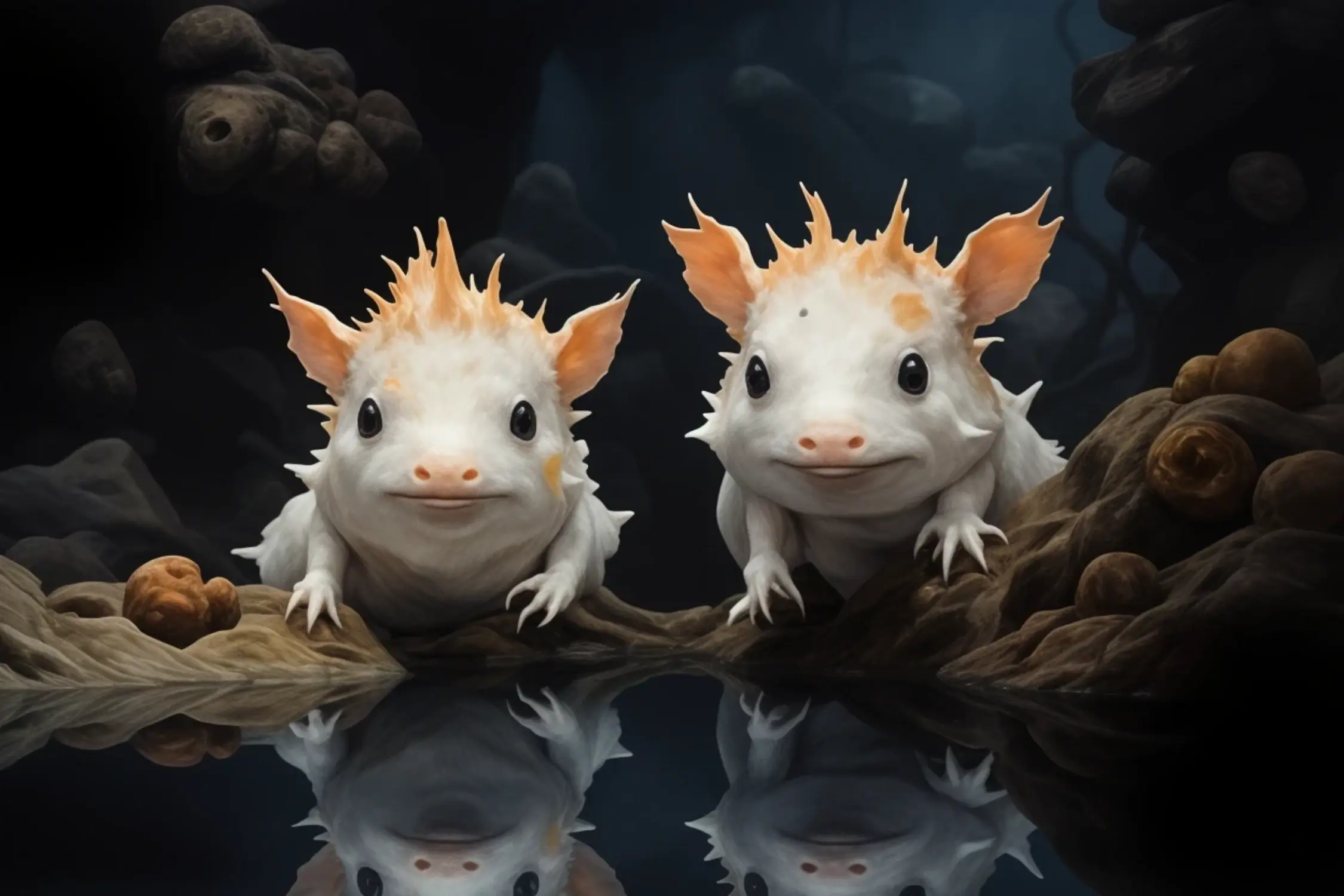
The axolotl standard is set to redefine how we perceive and utilize NFTs. Unlike traditional static NFTs, this innovative framework allows assets to evolve, adapting to new functions and user interactions. According to VRAM documentation, the axolotl standard establishes a comprehensive model that enables true on-chain evolution, which is pivotal in today’s digital asset marketplace.
As digital ownership becomes more prominent, the significance of permanent digital assets in a decentralized ecosystem cannot be overstated. Collectors and creators can benefit significantly from this evolution. Collectors, for instance, can view their NFTs as evolving pieces of art rather than static images, contributing to ongoing value and engagement over time. For creators, the framework creates new opportunities to enhance their works continuously and engage with their audience, paving the way for new revenue streams and creative expressions.
The Need for Dynamic Digital Assets
Current NFTs have notable limitations, chiefly their static nature. Once minted, these digital assets cannot change, leading to missed opportunities for innovation and interaction. As the demand for personalized and unique digital ownership grows, the need for evolving functionalities in NFTs becomes evident. The axolotl standard addresses these needs effectively by allowing alterations in artwork, content, or functionality based on user inputs or external factors.
This shift toward dynamic assets is not merely theoretical. As we explore this concept, it’s essential to recognize how these evolving digital assets can enhance the user experience. Imagine purchasing an NFT that can adapt over time, reflecting changes in artistic style or community sentiment. This adaptability aligns closely with what modern users expect in an increasingly interactive digital landscape.
Current Trends in NFT Evolution
Recent developments around NFTs highlight a growing trend towards adaptability and innovation. The emergence of solutions for permanent storage using blockchain technology is becoming increasingly prominent. With many projects exploring the integration of VRAM technology into current NFT frameworks, the potential for evolution becomes more tangible. The use of decentralized storage solutions, like that provided by platforms such as Walrus, promotes permanence and resistance to censorship, ensuring assets remain accessible even if the original creator or marketplace ceases operations, as highlighted in recent industry analyses.
This evolving landscape suggests that the future of NFTs lies in their ability to continue adapting post-minting. As blockchain technology embraces these changes, we can expect more projects to adopt standards that facilitate such evolution, thereby creating a richer digital environment.
How the Axolotl Standard Facilitates Change
At the core of the axolotl standard are several compelling features that enable NFTs to evolve dynamically. These include initial state rendering and transaction history preservation. The concept of initial state rendering allows creators to set foundational attributes for their NFTs, which can change over time based on user interactions and preferences. This feature enhances user engagement, making the entire NFT ownership experience more interactive.
Moreover, transaction history preservation is crucial for building trust and security within the marketplace. As users track how their asset has developed through its lifecycle, accountability is reinforced—ensuring that both creators and collectors see the value in keeping their assets active. This implementation inherently encourages a relationship built on transparency, a critical factor in the rapidly growing NFT market.
Real-World Applications of the Axolotl Standard
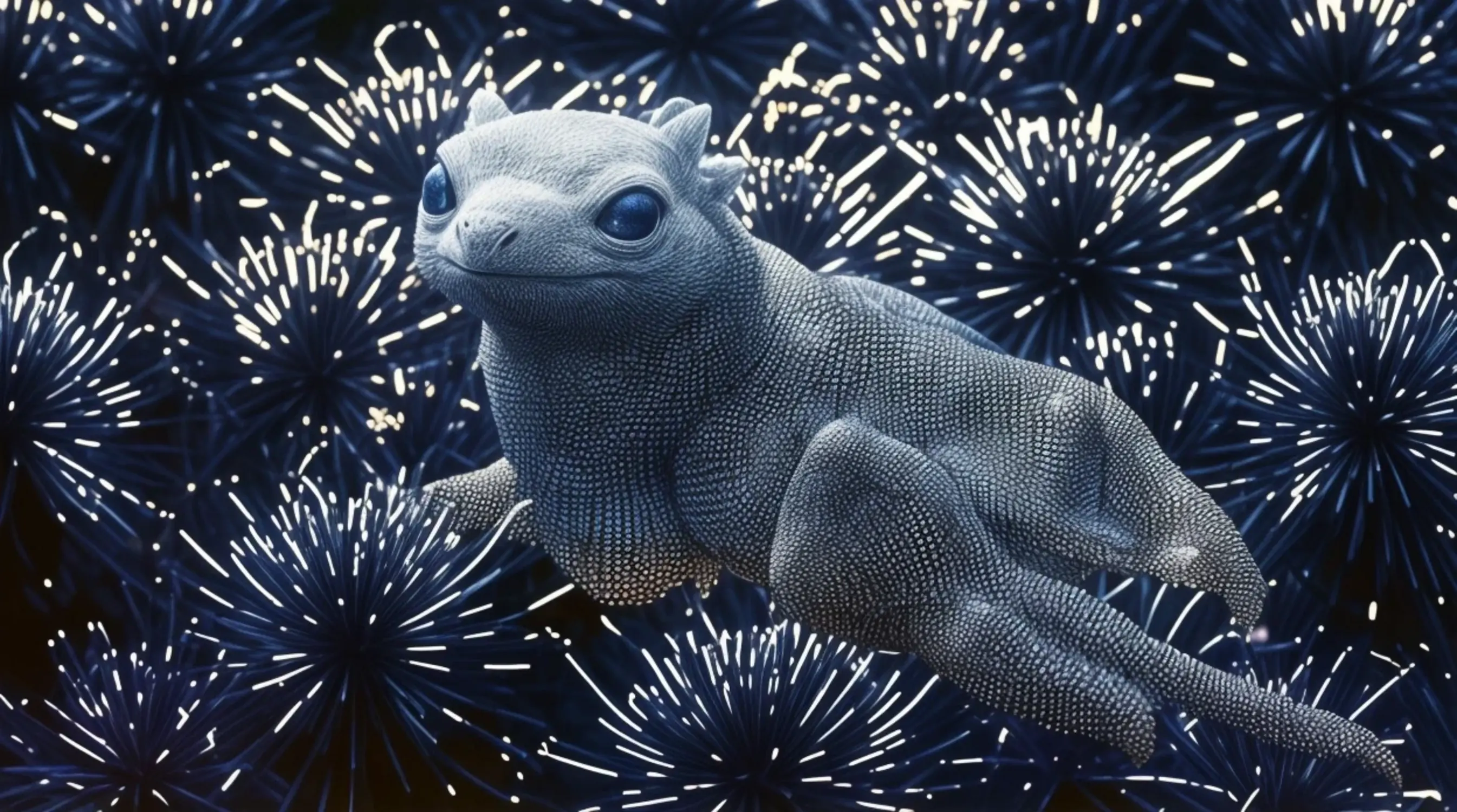
Several projects on the Sui blockchain are already utilizing the axolotl standard, demonstrating its potential in sectors like digital art, gaming, and collectibles. The implications here are vast: artists can now produce works that adapt and grow alongside their audience. Similarly, game developers can design dynamic in-game assets that evolve with player progress, creating a more immersive gaming experience.
Collaborating with decentralized storage platforms like Walrus could also enhance the functionality and permanence of these applications. As noted in various industry insights, leveraging blockchain for both creative and practical applications opens new avenues for investment and community engagement, particularly in gaming and digital art.
Next Steps for Creators and Investors
As the axolotl standard gains traction, creators and investors must strategize for maximizing this innovative framework. To leverage the axolotl standard effectively, creators should explore the potential benefits of dynamic NFTs while implementing best practices that ensure continued user engagement. This includes soliciting feedback and iterating on art or features to maintain relevance in a competitive market.
For investors, staying informed about emerging projects using the axolotl standard is vital. Diversifying investments in dynamic NFTs can be beneficial, and understanding how these evolving assets fit into portfolio strategies will allow investors to remain competitive in the fast-evolving NFT space.
Embracing this new wave of digital assets opens up exciting possibilities for both creators and collectors, promising a rich and interactive future in the realm of NFTs.