The Hidden Truth About Crypto Leverage and Market Volatility
As the world of crypto continues to evolve, understanding leverage is crucial for navigating market volatility and protecting assets. Recent market shifts highlight the risks of cascading liquidations, making it essential for traders to refine their strategies amidst these turbulent conditions.
The Risks of Leverage in Cryptocurrency Trading
Leverage in cryptocurrency trading allows investors to borrow capital, amplifying both potential gains and losses. It works by allowing individuals to control a larger position than their actual investment. For instance, a trader using 10x leverage can control $10,000 in assets while only investing $1,000 of their own money. This amplification can lead to substantial profits during market upswings but can also result in devastating losses when the market dips, as noted by financial analysts who emphasize the precarious balance of leveraging funds in volatile environments.
However, the psychological impacts of using leverage can complicate decision-making. Traders may feel an inflated sense of confidence as gains multiply, but this can lead to reckless behavior during downturns, where fear-driven decisions can trigger panic selling. According to recent reports, many traders who face significant losses end up in a cycle of emotional trading rather than rational decision-making.
Common leverage ratios in cryptocurrency trading typically range from 2x to 100x. While higher ratios can promise larger returns, they come with an increased risk of liquidation. Traders must understand the implications of their leverage choice to tailor their strategies effectively.
Market Volatility: A Double-Edged Sword
Market volatility refers to the degree of price fluctuations in financial markets over a specific period. In the crypto space, extreme volatility is commonplace, characterized by sudden price surges and drops. The recent trends demonstrate how cryptocurrencies oscillate dramatically, reflecting both investor sentiment and market manipulations. This behavior creates an environment ripe for both profit and peril.
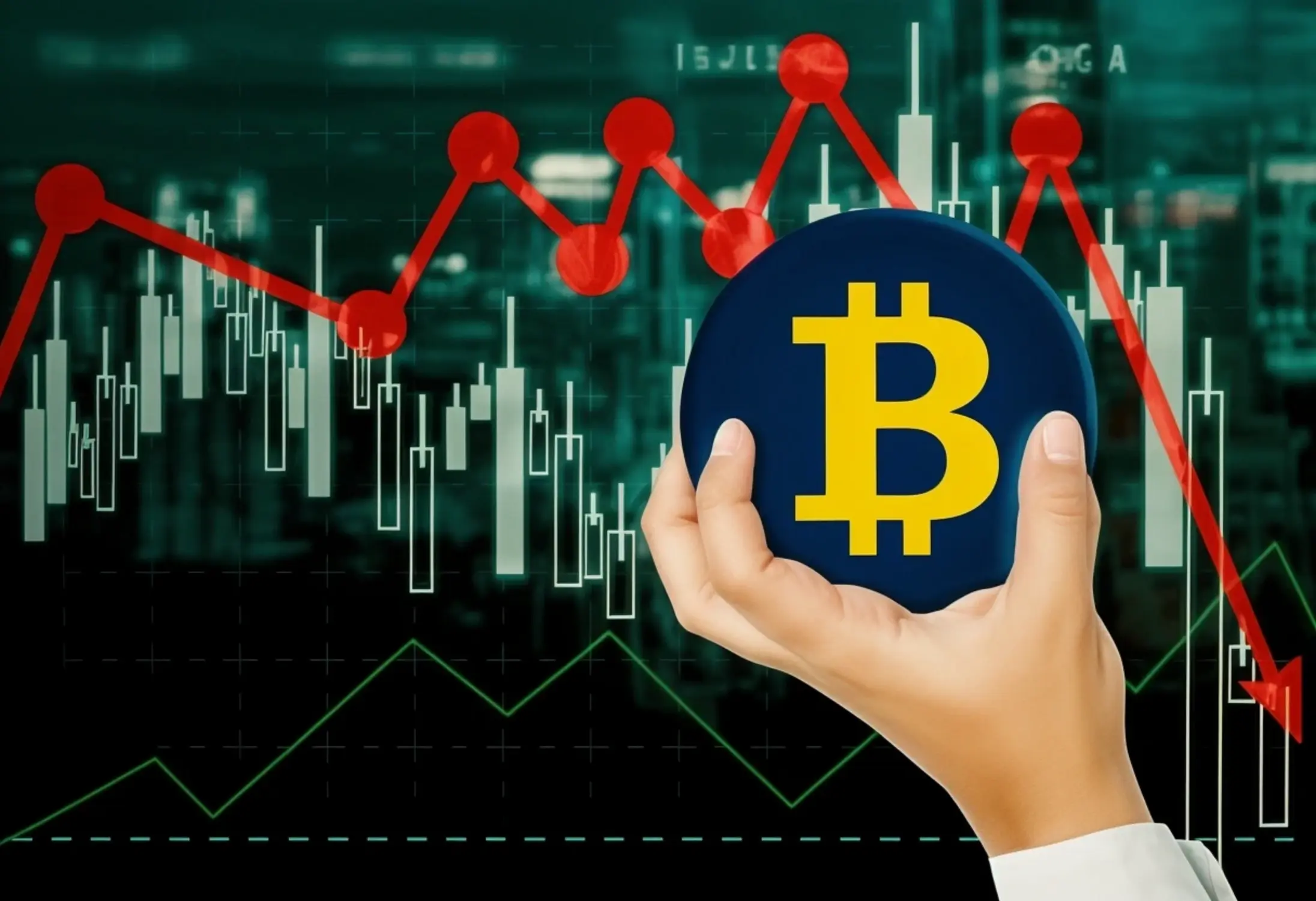
For example, the price of Bitcoin has seen substantial highs and lows recently, leading to significant gains for some traders while bringing devastation to others. Such volatility contributes to cascading liquidations, as gaining or losing can trigger waves of forced selling that further devalue the assets. As highlighted in reports on market dynamics, these cascading events often result in a snowball effect, leading to sharp market declines. The interplay of market volatility and trader reactions can shape the trading landscape in unforeseen ways.
Cascading Liquidations and Their Consequences
Cascading liquidations occur when a sudden price drop forces traders using high leverage to automatically sell their positions to cover losses. This phenomenon can lead to additional downturns as more sales occur, thereby devaluing assets even further. Notable examples, such as the major market dips in May 2021, showcase how cascading liquidations not only affect individual traders but also contribute to significant market corrections, leading to large-scale losses across the board.
The consequences are far-reaching; as positions are liquidated, market confidence erodes, leading to a potential crash. Traders often find themselves in dire situations, facing not only financial loss but also the psychological weight of the experience. This cycle of panic can deter new investors and destabilize the broader market environment, as demonstrated by incidents where the crypto market lost billions in a matter of hours, affecting even stalwarts like Bitcoin and Ethereum.
Trading Strategies for Navigating Volatility
In order to effectively mitigate risks associated with leverage in volatile markets, traders need to adopt robust trading strategies. Effective risk management begins with diversification—spreading investments across various assets to minimize potential losses. Techniques such as stop-loss orders can also help protect gains by automatically selling assets when they fall below a certain price. Moreover, setting leverage limits and maintaining a consistent review of one’s portfolio are pivotal in managing exposure to market fluctuations.
Additionally, utilizing tools and indicators, such as moving averages or volatility indexes, can provide insights into market trends and assist traders in making informed decisions. Seasoned traders often emphasize combining these strategies with market research to stay ahead of potential volatility. The prowess in navigating such an environment can significantly enhance a trader’s performance while safeguarding against market pitfalls.
The Psychological Aspects of Trading on Leverage
The mental fortitude required for trading on leverage cannot be overstated. Leverage affects not just financial outcomes but also mental health and decision-making processes. The pressure to perform can lead traders to make impulsive decisions, often detracting from rational analysis. Maintaining discipline is crucial; traders must resist the urge to chase losses or become overconfident during winning streaks.
Setting realistic goals and predefined limits can assist traders in adhering to their strategies. Moreover, self-reflection after trades—both successful and unsuccessful—can offer valuable insights into one’s trading behavior. According to observations from trading psychologists, cultivating emotional resilience is key to thriving under pressure while trading with leverage. Those who can maintain a level-headed approach when the market becomes tumultuous are typically more successful in the long run.
Future Outlook: Preparing for Market Changes
Looking ahead, the landscape of crypto leverage and market behaviors continues to evolve. As blockchain technology matures and regulatory frameworks develop, traders must stay adaptable. Anticipating future trends, such as increased regulation on leveraged trading or innovations in risk management tools, can empower traders to navigate changing conditions effectively.
Market behaviors are likely to remain volatile, as rapid price movements often attract new investors while also testing the resilience of seasoned traders. Education emerges as a central theme; traders should continuously educate themselves, refine their strategies, and remain vigilant to changes in market dynamics. Final thoughts emphasize that understanding the nuances of leverage and market volatility is crucial for successful trading and long-term profitability. Navigating this complex landscape requires not only strategic acumen but also a commitment to continuous learning in an ever-changing field.