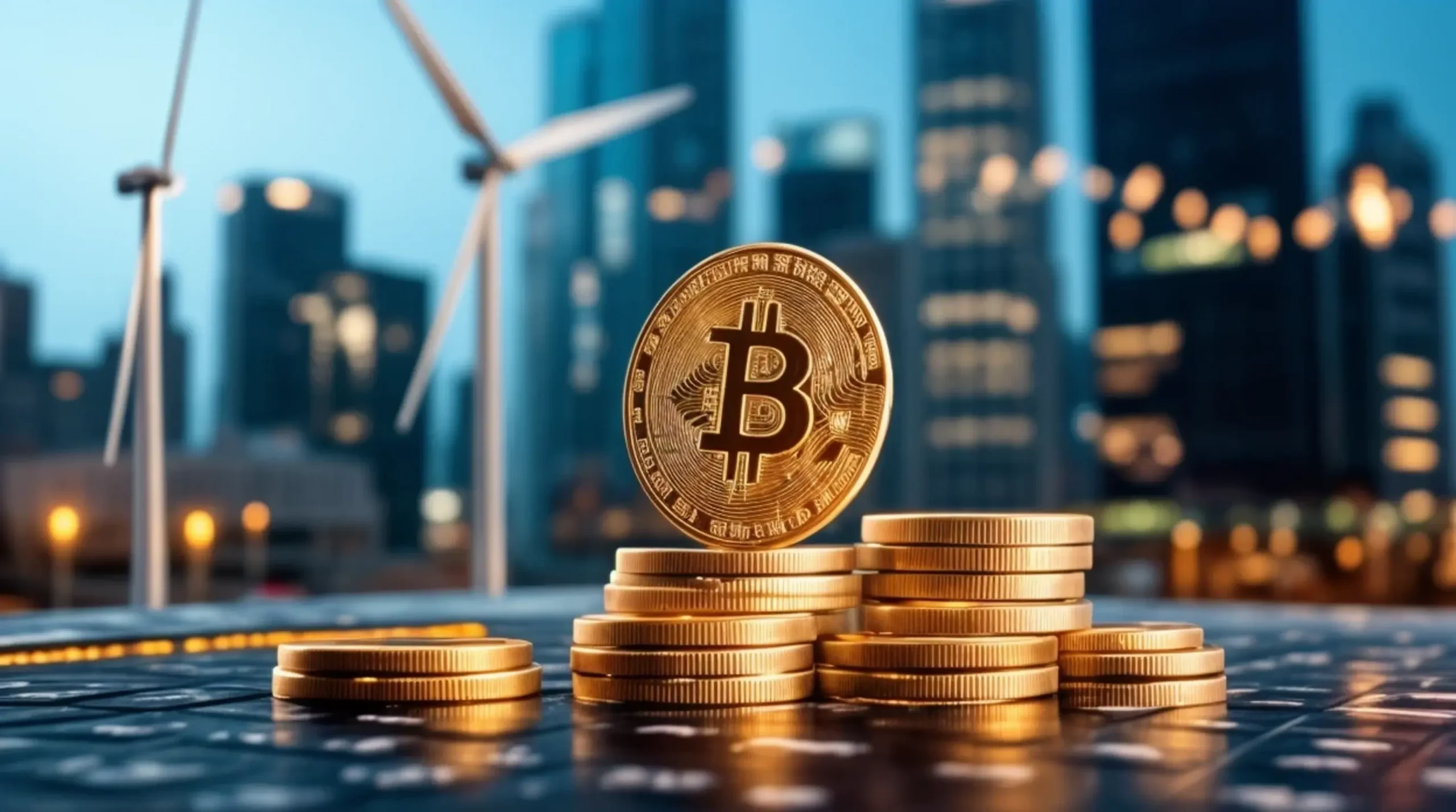
How Gulf Oil Investors Are Using Bitcoin to Transform Markets
The growing interest of oil investors in Bitcoin signals a transformative shift in market dynamics. As these investors leverage cryptocurrency to diversify their portfolios and enhance liquidity, understanding this evolution is crucial for grasping the economic impact on the markets.
The Rise of Oil Investors in Bitcoin
Recent trends show that Gulf oil investors are increasingly entering the cryptocurrency space, marking a significant shift in investment strategies. This transformation is driven by motivations such as diversification of portfolio assets and the transition of wealth across generations. By investing in Bitcoin, these oil investors are looking to balance traditional revenue streams with emerging digital assets, reflecting a broader global trend towards cryptocurrency adoption.
Moreover, regulated investment channels are gaining traction in this sector. Bitcoin ETFs (Exchange-Traded Funds), for instance, provide a compliant entry point for oil investors, ensuring they remain on the right side of regulatory frameworks. According to recent reports, these regulated avenues have made it easier for institutional investors to gain exposure to Bitcoin without the complexities associated with direct investments in cryptocurrencies (TradingView). Thus, as Gulf investors harness these tools, they contribute to shaping a more mature cryptocurrency environment.
Liquidity Waves and Market Dynamics
The impact of oil-linked investments on Bitcoin’s liquidity is profound. As Gulf sovereign wealth funds increase their capital allocations to Bitcoin, the liquidity within the cryptocurrency market is expected to surge. This influx poses implications not just for Bitcoin, but for the broader cryptocurrency landscape as well. Increased liquidity leads to a more dynamic market environment, characterized by fewer price fluctuations and less slippage in trades.
Studies indicate that as oil-linked investors engage with Bitcoin, they stimulate a cycle of liquidity waves, enhancing market depth and narrowing spreads. Consequently, this trend attracts more participants from both retail and institutional backgrounds, further establishing Bitcoin as a legitimate asset class (TradingView). Ultimately, increased liquidity can stabilize Bitcoin’s price, instilling a sense of confidence among potential investors.
Abu Dhabi’s Regulatory Role
Abu Dhabi’s emergence as a regulatory hub is pivotal for facilitating crypto investments across the Gulf region. The local authorities have initiated frameworks that allow for greater transparency and security in crypto trading. Such regulatory measures encourage Gulf investors to partake in the cryptocurrency market with minimal risk.
Regulated channels such as the ProShares Bitcoin Strategy ETF have recently been embraced by significant investors, including the Abu Dhabi Investment Council. It’s reported that their stake in BlackRock’s iShares Bitcoin Trust rose significantly, showcasing the growing appetite for regulated Bitcoin exposure (TradingView). As Abu Dhabi collaborates with financial institutions to refine regulatory frameworks, the potential for long-term crypto investments in the Gulf becomes more tangible.
Economic Impact of Bitcoin Investments
The growing engagement of Gulf oil investors with Bitcoin is creating substantial economic ripples. Primarily, this shift signifies a potential evolution in asset management within the Gulf region. More sophisticated investment strategies, particularly those focusing on cryptocurrencies, are becoming standard practice.
As institutional investments in Bitcoin increase, experts forecast a notable change in market behaviors and asset allocation strategies. The potential for Bitcoin to act as a hedge against inflation or currency devaluation enhances its appeal to oil investors. In this context, the entry of large-scale institutional capital into Bitcoin could lead to increased market stability, mitigating the notorious volatility often associated with cryptocurrencies (TradingView). Thus, the economic landscape of the Gulf could be redefined through this integration of traditional and digital assets.

Current State of the Cryptocurrency Market
The cryptocurrency market, characterized by rapid changes, has been influenced by recent geopolitical events and economic shifts. For instance, the Federal Reserve’s recent rate cuts have altered the dynamics of capital availability, impacting various markets, including cryptocurrency (Incrypted). Furthermore, the sentencing of high-profile figures in the crypto space serves as a cautionary tale for investors and institutions alike.
As these events unfold, Gulf investments continue to solidify their position in the crypto ecosystem. In examining competition and positioning, it’s crucial to understand how regulatory developments and market dynamics will shape investor behavior moving forward. This evolving landscape suggests that Gulf oil investors are not just participants; they are pivotal players influencing the future trajectory of the cryptocurrency market.
Future Considerations for Oil Investors
Gulf oil investors can navigate the evolving market landscape through strategic planning. As opportunities for utilizing Bitcoin to build financial infrastructure arise, investors will need to stay informed and agile. Here are several strategies for oil investors looking to engage with Bitcoin:
– Diversification: Continually assess and diversify the investments within their portfolios to mitigate risks associated with volatile assets.
– Education: Invest in understanding the crypto market’s intricacies, focusing on the impact of regulations and market trends.
– Partnerships: Engage in collaborative efforts with financial institutions to explore innovative financial products tied to Bitcoin.
As Gulf investors position themselves strategically, they stand to gain significant benefits from the integration of Bitcoin into their financial frameworks. Staying informed about market changes will empower these investors to leverage opportunities, driving transformation in both their portfolios and the wider market.